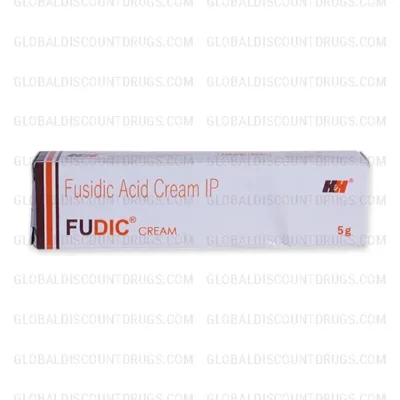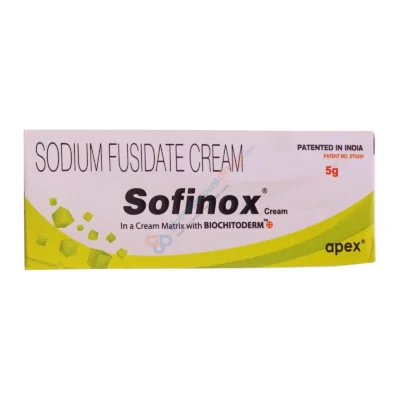

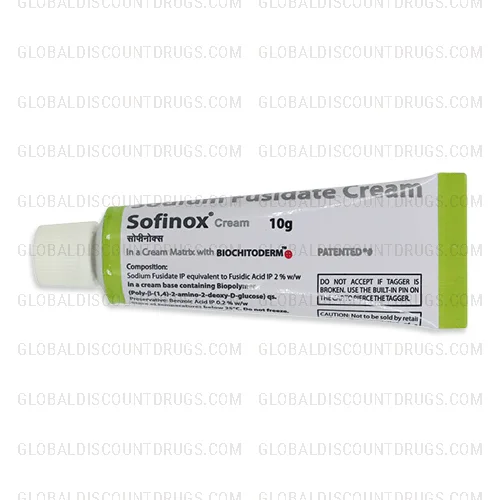
Sodium Fusidate Cream 2%-10g
In StockSodium Fusidate 2% Cream is a topical antibiotic used to treat selected localized bacterial skin infections. Apply a thin layer only to the affected area for the prescribed treatment duration.
| Active Ingredient: | Sodium Fusidate |
|---|---|
| Indication: | Bacterial Skin Infection |
| Strength: | 2% 10g |
| Dosage Form: | Cream |
| Manufacturer: | Apex |

Sodium Fusidate Cream 2%-10g: What This Antibiotic Cream Treats and How to Use It Safely
Skin infections don’t wait for a convenient time to show up — a small cut gets red and weepy, a razor bump turns into something angrier, or eczema-prone skin flares with a golden crust. Sodium Fusidate Cream 2%-10g is one of the medicines doctors reach for in exactly these situations. Here’s what it does, how it works, and what to watch out for.
What This Cream Actually Is
Sodium Fusidate Cream 2%-10g is a topical antibiotic in a 10g tube, formulated at 2% strength. Fusidic acid salts are narrow-spectrum antibacterial drugs that inhibit protein synthesis by preventing translocation of the ribosome along the mRNA chain, which effectively halts bacterial growth. Sodium Fusidate is derived from Fusidium coccineum and exerts powerful activity against a range of gram-positive organisms — staphylococci, including strains resistant to penicillin, are particularly susceptible to it. This is a prescription-only cream and should be used exactly as your doctor directs.
The Infections It’s Meant For
Sodium Fusidate Cream 2%-10g isn’t a general-purpose antiseptic — it’s targeted at bacterial skin infections, particularly ones caused by Staphylococcus aureus. Conditions it’s commonly prescribed for include:
- Impetigo — a contagious skin infection with blisters or red spots
- Folliculitis — infection of the hair follicles
- Paronychia — skin infection around the nails
- Infected eczema, cuts, and dermatitis — secondary infections that develop on already-irritated or broken skin
It’s not intended for viral or fungal skin issues, and it won’t help conditions unrelated to bacterial infection — using it outside its intended purpose won’t help and may contribute to antibiotic resistance.
Applying It the Right Way
There’s a reasonably consistent routine across guidance for this cream: clean the area, apply thinly, and don’t overdo the frequency.
- Clean and dry the affected skin before each application.
- Apply a thin layer of Sodium Fusidate Cream 2%-10g to the infected area — typically 2 to 3 times daily for 7 to 14 days, though your prescriber may adjust the frequency and duration based on your infection.
- If a dressing is used, you may need fewer applications per day — follow your doctor’s specific instructions here.
- Finish the full course, even if the skin looks better after a few days. Stopping early is a major cause of treatment failure and contributes to antibiotic resistance.
Don’t use this medication for longer than 14 days unless your doctor specifically tells you to continue.
Common Reactions vs. Signs to Stop and Call Your Doctor
Expected, usually mild: dry skin, mild rash, irritation, or a burning sensation at the application site. Across pooled clinical data, the overall rate of side effects with fusidic acid creams and ointments is low — around 2.3% of patients, and most of those are localized skin reactions.
Stop and contact your doctor if:
- The infection worsens, or the area becomes more red, swollen, or painful
- There’s no improvement after 5–7 days of use
- You develop a new rash or signs of a possible allergic reaction
- The infection clears but returns shortly after finishing treatment
Seek urgent care for: swelling of the face, lips, or throat; difficulty breathing; hives; or any sudden, severe allergic reaction.
Things Worth Knowing Before You Start
It’s for the skin only. Do not swallow it or apply it inside the body. Avoid contact with eyes, nose, and mouth — if it does get into the eyes, rinse thoroughly with water.
Check your other medications. Sodium fusidate absorbed systemically (even in small amounts from skin use) can theoretically interact with drugs like statins (simvastatin, atorvastatin) and oral anticoagulants such as warfarin — mention any of these to your doctor, especially with extended or large-area use.
Pregnancy and breastfeeding. This medication should not be used during pregnancy unless the benefits clearly outweigh the risks, and it may pass into breast milk, so talk to your doctor before using it if you’re pregnant or nursing.
A fire safety note that surprises people. Fabric — clothing, bedding, dressings — that has been in contact with fusidate-based creams can burn more easily and poses a fire hazard; avoid smoking or open flames near treated skin, and wash contaminated fabric regularly.
Who Shouldn’t Use It
- Anyone with a known allergy to fusidic acid, sodium fusidate, or any ingredient in the formulation
- Patients with widespread or severe infections requiring systemic (oral/IV) antibiotics instead of — or in addition to — topical treatment
- Use on mucous membranes or inside the eyes, nose, or mouth
Storing the Tube
Keep Sodium Fusidate Cream 2%-10g away from light and damp environments, at room temperature, with the cap tightly closed. Do not freeze it, and keep it well out of reach of children and pets. Discard any unused cream once your treatment course is finished or the product has expired.
Quick Answers to Common Questions
Do I need a prescription for Sodium Fusidate Cream 2%-10g?
Yes — this is a prescription topical antibiotic. Your doctor needs to confirm the infection is bacterial and appropriate for this treatment before you start.
How fast does it work?
Sodium Fusidate typically takes a few days to start showing improvement, though the full course should still be completed to fully clear the infection.
Can I stop once my skin looks normal again?
No — stopping early is one of the main causes of treatment failure and antibiotic resistance. Finish the full course your doctor prescribed.
Does it interact with other medicines?
Potentially, yes — particularly statins and blood thinners like warfarin. Tell your prescriber about everything you’re taking.
What if I miss an application?
Apply it as soon as you remember, then continue with your next dose at the usual scheduled time — don’t double up.
Is it sold over the counter?
No, Sodium Fusidate Cream 2%-10g requires a prescription in most countries, since a doctor needs to confirm it’s the right treatment for your specific infection.
What does it cost without insurance?
The cost without insurance depends on the seller, brand availability, and pack size, and may also vary by location and available discounts. Check with a licensed pharmacy for current pricing.
Where This Information Comes From
- Patient.info – Fusidic Acid for Skin Infections
- Medicines.org.uk (emc) – Fucidin Ointment SmPC
- ScienceDirect – Fusidate Sodium Overview
Medical Disclaimer:
This content is for informational purposes only and does not constitute medical advice, diagnosis, or treatment. Consult a qualified specialist or physician before using Sodium Fusidate Cream 2%-10g.
Prescription Required (Rx) to Buy?
This medication is not available over the counter. A valid prescription from a licensed healthcare
professional is required. Always consult your doctor before use.
| Quantity | 12, 3, 6, 9 |
|---|---|
| Indication | Bacterial Skin Infection |
| Active Ingredient | Sodium Fusidate |
| Pharmaceutical Form | Cream |
| Manufacturer | Apex |
| Indian Brand | Sofinox Cream |
| US Brand Name | Sodium Fusidate |
| Generic Name | Sodium Fusidate |
| Dosage | 2% 10g |
| Drug Type | Tubes |