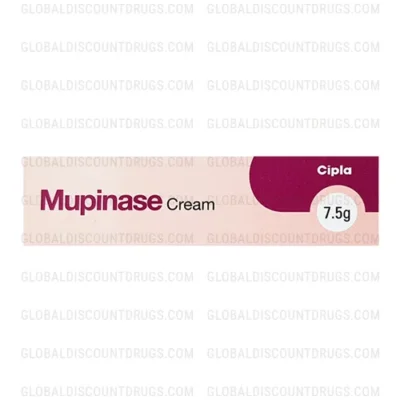
Mupirocin
In StockMupirocin is a prescription medicine used to treat certain bacterial skin infections, including impetigo and infections caused by Staphylococcus aureus and Streptococcus pyogenes. It belongs to the antibacterial class and works by blocking bacterial protein synthesis, which helps stop the growth of bacteria on the skin. This action supports healing of infected areas. Use as directed on the product label or by a healthcare professional.

What is Mupirocin
Mupirocin is a topical antibiotic used to treat certain bacterial skin infections. It belongs to a class of medicines called antibacterial agents for topical use.
Approved and common uses
Impetigo (a contagious skin infection)
Infected minor cuts, wounds, and abrasions
Secondary bacterial skin infections
Nasal decolonisation of certain bacteria such as Staphylococcus aureus including MRSA in specific clinical settings
Available formulations and strengths
Intranasal ointment for nasal bacterial colonisation
Mupirocin is intended for external use on the skin or inside the nose, depending on the formulation.
What is the Recommended Dosage of Mupirocin
Dosage varies based on
- Type and severity of infection
- Patient age
- Skin area affected
- Overall health status
Available dosage forms
- Skin ointment
- Cream
- Nasal ointment
Treatment duration is usually short and guided by response to therapy. Exact dosing frequency and duration must follow instructions from a licensed medical specialist, typically a dermatologist or infectious disease specialist. Patients should not extend treatment longer than recommended.
How Mupirocin Works
Mupirocin works by blocking bacteria from producing proteins they need to grow and multiply. This stops the spread of infection and allows the body’s immune system to clear bacteria.
It treats bacterial skin infections but does not work against viral or fungal conditions. Improvement may occur within a few days, but completing the prescribed course helps prevent resistance.
Is a Prescription Required to Buy Mupirocin Online
In many regions, mupirocin is a prescription only medication.
Patients should consult a licensed medical specialist such as
- Dermatologist
- Primary care physician
- Infectious disease specialist
- When purchasing online
- Use licensed pharmacies
- Avoid veterinary versions unless specifically prescribed
Be cautious of counterfeit products
Self diagnosis of skin infections can be inaccurate, so professional evaluation is recommended.
Side Effects of Mupirocin
Common side effects
- Mild burning or stinging
- Itching
- Redness
- Dryness at the application site
These are usually temporary.
Serious side effects
- Severe allergic reaction
- Worsening skin irritation
- Rash spreading beyond treated area
- Persistent swelling or blistering
Immediate medical attention is required if symptoms suggest an allergic reaction, such as difficulty breathing or facial swelling.
Drug Interactions
Because mupirocin is topical, systemic drug interactions are limited, but caution is still advised.
Interaction considerations
- Other topical antibiotics or steroid creams
- Over the counter skin treatments
- Herbal or natural skin products
- Occlusive dressings that increase absorption
Patients should provide a full list of medications and products to their healthcare provider before use.
Safety and Important Considerations
- Avoid use in eyes unless specifically directed
- Do not apply on large open wounds without supervision
- Prolonged use may lead to bacterial resistance
- Kidney disease considerations may apply with extensive use of certain ointment bases
- Pregnancy and breastfeeding use only if recommended by a specialist
- Children and elderly may require monitoring for irritation
If symptoms do not improve within the expected timeframe, reassessment may be necessary.
Who This Medication Is For
Mupirocin is typically prescribed for
- Patients with confirmed bacterial skin infections
- Individuals with impetigo
- Patients needing nasal bacterial decolonisation in clinical protocols
- People with infected minor wounds
It is used when bacterial involvement is suspected or confirmed by a clinician.
Who Should Not Take Mupirocin
Mupirocin may not be suitable for
- Individuals with known allergy to mupirocin or ointment components
- Patients with severe unexplained skin reactions
- Use on deep burns or extensive wounds without supervision
- Conditions suspected to be fungal or viral rather than bacterial
Medical evaluation is required before use in uncertain diagnoses.
What to Do If You Miss a Dose
Apply the medication as soon as remembered
- If it is close to the next scheduled application, skip the missed dose
- Do not apply extra amounts to compensate
- Contact a healthcare provider if multiple doses are missed or treatment response is unclear
- Consistency improves treatment effectiveness.
Related medications to Mupirocin
Other topical antibiotics in the same therapeutic area may include
Selection depends on infection type, bacterial resistance patterns, and patient factors. Switching therapies requires specialist guidance.
Storage Instructions
- Store at room temperature away from heat and direct light
- Keep container tightly closed
- Avoid moisture exposure
- Do not freeze unless instructed
- Keep out of reach of children
- Do not use after expiry
- Discard unused medication according to pharmacy guidance.
Disclaimer:
This page is for educational purposes only. It is not a substitute for professional medical advice, diagnosis, or treatment. Patients must consult a licensed dermatologist or appropriate medical specialist before starting, changing, or stopping mupirocin treatment. All treatment decisions should be based on a complete clinical evaluation by a qualified healthcare professional.
Prescription Required (Rx) to Buy?
This medication is not available over the counter. A valid prescription from a licensed healthcare
professional is required. Always consult your doctor before use.