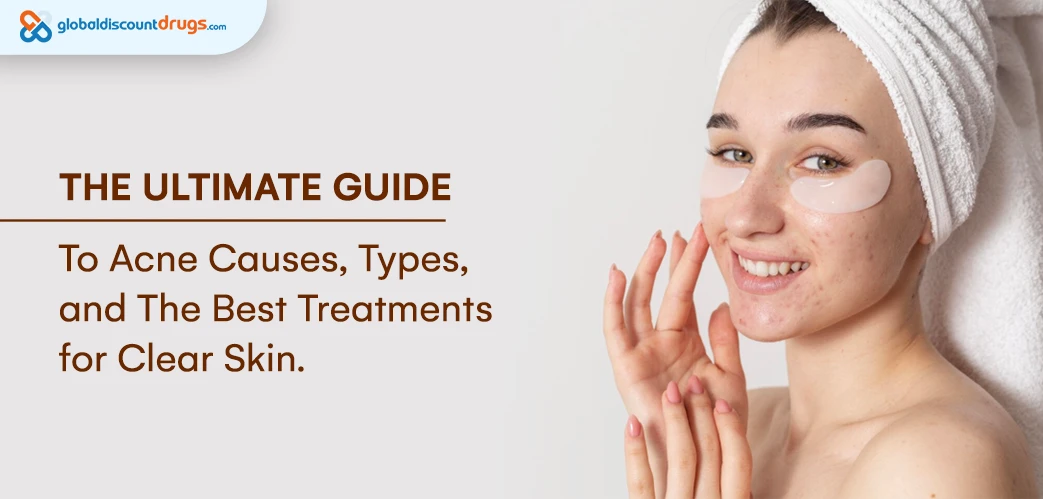
The Ultimate Guide to Acne: Causes, Types, and The Best Treatments for Clear Skin
-
Written By:
Kevin P
-
October 30, 2025
-
Acne is the most common skin condition in the world. It’s a source of frustration, self-consciousness, and confusion for millions of people—from teenagers to adults in their 40s and beyond. Whether you deal with an occasional whitehead, persistent blackheads, or deep, painful cysts, understanding acne is the first and most critical step toward winning the battle for clear skin.
This is your definitive, comprehensive guide to acne. We will break down exactly what acne is, why it occurs, how to identify your specific type, and most importantly, explore every available treatment, from the pharmacy shelf to the dermatologist’s office.
What is Acne and Why Does It Happen?
Acne Vulgaris is a chronic inflammatory condition of the pilosebaceous unit (the hair follicle and its associated oil gland). It primarily appears on the face, neck, chest, back, and shoulders because these areas have the highest concentration of oil glands.
The Four Core Causes of Acne
Acne doesn’t happen because your skin is dirty or because you eat chocolate. It is a complex process driven by four key factors working in combination:
- Overproduction of Oil (Seborrhea): The sebaceous glands, stimulated by hormones (especially androgens), produce too much oily substance called sebum. While sebum is essential for keeping skin and hair moisturized, too much creates a prime breeding ground for bacteria.
- Clogged Pores (Hyperkeratinization): Normally, dead skin cells shed and fall off. In acne-prone skin, these cells stick together and accumulate inside the hair follicle. This mix of sticky dead cells and excess sebum forms a plug, known as a microcomedone.
- Bacterial Proliferation: A specific type of bacteria, Cutibacterium acnes (C. acnes), naturally lives on the skin. Trapped within the clogged, oily follicle, these bacteria multiply rapidly.
- Inflammation: As the C. acnes bacteria multiply and the trapped oil and cells build pressure, the immune system reacts. This triggers an inflammatory response, which causes the pore to rupture, leading to the visible redness, swelling, and pain we recognize as a pimple.
Identifying Your Acne: Types of Breakouts
Knowing the specific type of lesion you have is essential, as different acne types respond to different treatments. Acne is divided into two main categories: Non-Inflammatory and Inflammatory.
1. Non-Inflammatory Acne
These lesions are caused by blockages and are generally easier to treat.
Blackheads (Open Comedones):
- Appearance: Small, dark spots on the skin. They are not dirt.
- Cause: The pore is clogged, but the opening is wide. The trapped sebum and dead cells oxidize when exposed to air, turning dark.
- Best Treatment Strategy: Topical Retinoids, Salicylic Acid (BHA), Professional extractions.
Whiteheads (Closed Comedones):
- Appearance: Small, skin-colored or white bumps that are slightly raised.
- Cause: The pore is completely blocked and closed at the surface, preventing the contents from oxidizing.
- Best Treatment Strategy: Topical Retinoids, Benzoyl Peroxide.
2. Inflammatory Acne
These occur when the blocked follicle wall breaks, releasing bacteria and oil into the surrounding skin tissue, causing irritation.
Papules:
- Appearance: Small, red, raised bumps that are slightly tender.
- Cause: A ruptured pore wall causes mild inflammation, but there is no visible pus.
- Best Treatment Strategy: Benzoyl Peroxide, Topical Antibiotics.
Pustules:
- Appearance: Similar to papules, but topped with a visible white or yellowish center of pus.
- Cause: Significant inflammation and bacterial activity.
- Best Treatment Strategy: Benzoyl Peroxide, Topical Retinoids, sometimes Oral Antibiotics.
Nodules:
- Appearance: Large, firm, painful bumps deep beneath the skin’s surface.
- Cause: Deep, extensive rupture of the follicle wall, causing damage to the deeper dermis layer.
- Best Treatment Strategy: Oral Antibiotics, Isotretinoin, Cortisone injections.
Cysts:
- Appearance: The most severe form. Large, painful, pus-filled lumps that often leave scars.
- Cause: Wide rupture and chronic inflammation, forming a fluid-filled sac.
- Best Treatment Strategy: Isotretinoin (Accutane) or direct surgical/injection treatment.
Over-The-Counter (OTC) Acne Treatments
For mild-to-moderate acne (primarily blackheads, whiteheads, and occasional pustules), over-the-counter products are the first place to start. Look for these medically proven active ingredients:
Benzoyl Peroxide (BP)
- How it Works: It is a powerful antimicrobial agent that works by introducing oxygen into the pore, which kills the C. acnes bacteria (which cannot survive in an oxygen-rich environment). It also has a mild exfoliating effect.
- Best For: Inflammatory acne (papules and pustules).
- Usage Tip: Start with a 2.5 percent to 5 percent concentration to minimize dryness and irritation. It can bleach fabric, so use a white towel and pillowcase.
Salicylic Acid (SA)
- How it Works: A Beta Hydroxy Acid (BHA) that is oil-soluble, meaning it can penetrate deep into the pore lining to dissolve the sticky sebum and dead cells that form the plug. It is an excellent exfoliant.
- Best For: Non-inflammatory acne (blackheads and whiteheads) and general pore maintenance.
- Usage Tip: Available in 0.5 percent to 2 percent concentrations. Use daily in cleansers, toners, or spot treatments.
Alpha Hydroxy Acids (AHAs)
- How it Works: Ingredients like Glycolic Acid and Lactic Acid are water-soluble exfoliants. They work on the skin’s surface to gently remove dead cells, improving texture and fading post-acne marks (hyperpigmentation).
- Best For: Fading red/brown acne marks, improving overall skin radiance, and mild textural concerns.
Adapalene Gel (Retinoid)
- How it Works: Adapalene 0.1 percent (formerly prescription-only, now OTC under the brand name Differin) is a potent retinoid. It works by normalizing cell turnover, preventing new clogs from forming deep within the pore. It treats current acne and prevents future breakouts.
- Best For: All forms of acne, especially as a preventative step to stop comedones (blackheads and whiteheads) before they start.
- Usage Tip: Apply a pea-sized amount to the entire affected area (not just the spots) once nightly. Expect an initial period of dryness or purging.
Prescription Acne Treatments (When OTC Fails)
If you have moderate acne, painful lesions, or if OTC products haven’t shown results after 8-12 weeks, it is time to consult a dermatologist. Prescription options target the root causes of severe acne more aggressively.
Topical Prescription Treatments
These are stronger versions of active ingredients or specialized anti-inflammatory medications.
- Prescription Retinoids (Tretinoin, Tazarotene): These are stronger derivatives of Vitamin A than Adapalene. They are the cornerstone of long-term acne therapy because they fundamentally change how skin cells behave, eliminating microcomedones.
- Topical Antibiotics (Clindamycin, Erythromycin): These are used to kill surface C. acnes bacteria and reduce inflammation. They are almost always prescribed in combination with Benzoyl Peroxide to prevent antibiotic resistance.
- Azelaic Acid: A versatile acid that has antibacterial properties, unclogs pores, and is highly effective at reducing redness and dark spots (post-inflammatory hyperpigmentation). It is often preferred for sensitive skin or those who cannot tolerate retinoids.
Oral Prescription Treatments
Oral medications are typically reserved for moderate-to-severe inflammatory acne (nodules and cysts), or when body acne is widespread.
- Oral Antibiotics (Tetracyclines like Doxycycline/Minocycline): These work systemically (throughout the body) to kill bacteria deep in the skin and rapidly reduce inflammation. They are usually prescribed for a limited time (3-4 months) to bring severe acne under control.
- Isotretinoin (Accutane/Roaccutane): This is the most effective acne treatment available and is reserved for severe, nodular, or persistent acne that hasn’t responded to other therapies, particularly cystic acne that causes scarring.
- How it Works: It drastically shrinks the size and output of the oil glands, reducing sebum production by up to 90 percent. This eliminates the primary food source for C. acnes.
Note: This powerful drug requires strict monitoring due to potential side effects and is highly regulated (especially due to the risk of severe birth defects).
Hormonal Therapies (For Women):
- Combined Oral Contraceptives (COCs): Certain birth control pills (containing estrogen and progesterone) regulate hormones, leading to less sebum production. Excellent for women whose acne flares around their menstrual cycle.
- Spironolactone: This medication blocks androgen hormones (which drive oil production) at the receptor level. It is very effective for treating persistent, jawline, and adult-onset hormonal acne in women.
Advanced Procedures for Stubborn Acne and Scarring
For persistent cysts, chronic nodules, or existing scars, dermatologists offer in-office procedures that provide faster, more targeted results.
- Corticosteroid Injections (Cortisone Shots): A tiny amount of steroid is injected directly into a large, painful cyst or nodule. This dramatically reduces inflammation, swelling, and pain, often making the lesion shrink and flatten within 24-48 hours. This procedure can prevent permanent scarring.
- Chemical Peels: Medical-grade peels (Glycolic, Salicylic, TCA) are stronger than OTC versions. They are used to treat active acne, unclog pores rapidly, and improve the appearance of mild scarring and hyperpigmentation.
- Dermatological Extractions: Done by a professional, these are the safe removal of blackheads and whiteheads using sterile tools. This is reserved for persistent comedones that don’t respond to topical treatment.
- Laser and Light Therapies: Various lasers (like pulsed dye laser) and light therapies (like Blue Light therapy) can target and kill C. acnes bacteria and reduce inflammation.
- Acne Scar Treatments (See our dedicated guide): Once the active acne is clear, procedures like microneedling, laser resurfacing, and dermal fillers are used to correct the textural changes left behind by scars.
Prevention and Lifestyle: The Hidden Triggers
Treatments are crucial, but daily habits and lifestyle factors play a huge role in keeping skin clear.
The Do’s and Don’ts of Acne Care
Area
The DO
The DON’T
Pimple Care
DO use a spot treatment immediately (like BP).
DON’T pick, squeeze, or pop! This forces bacteria deeper and guarantees scarring.
Product Choice
DO use non-comedogenic and oil-free products.
DON’T use heavy, pore-clogging oils or thick creams on acne-prone areas.
Skincare
DO wash your face twice daily and after sweating.
DON’T scrub aggressively; use a gentle cleanser and your fingertips.
External Factors
DO wash pillowcases, phone screens, and hats frequently.
DON’T let hair products (gels, oils) sit on your forehead or back.
Sun
DO wear broad-spectrum SPF 30 daily.
DON’T believe the myth that sun clears acne; it only worsens inflammation and marks.
Diet and Acne: What’s the Link?
While diet isn’t a direct cause, research has established a link between certain foods and flare-ups in susceptible individuals. These are thought to trigger hormonal spikes or inflammatory responses:
- High Glycemic Index (GI) Foods: Foods that spike blood sugar quickly (e.g., white bread, sugary drinks) can increase insulin, which in turn increases androgens, stimulating oil production.
- Dairy: Specifically skim milk (though research is ongoing), which contains hormones and bioactive molecules that may influence the sebaceous glands.
If you suspect a link, try eliminating these items for 6-8 weeks and monitor your skin’s response.
Conclusion: Your Clear Skin Action Plan
The journey to clear skin requires three things: knowledge, consistency, and patience.
- Assess Your Acne: Understand if you have mild (comedonal), moderate (papules/pustules), or severe (nodular/cystic) acne.
- Start Simple and Consistent: If mild, commit to a routine using Benzoyl Peroxide and a topical retinoid (like Adapalene 0.1 percent) for at least three months.
- Consult a Professional: If your acne is painful, widespread, or is causing emotional distress or scarring, the next step is a board-certified dermatologist. They can prescribe stronger topicals, oral medications, or perform procedures to halt the damage.
Acne is a medical condition, and treating it effectively often requires medical intervention. With the right plan, a clear complexion is achievable.
Top 5 FAQs for Acne
1. How to Get Rid of Back Acne (Bacne)
Back acne is often driven by the high concentration of sebaceous glands on the back, coupled with sweat and friction from clothing or gear. The primary treatment strategy involves antimicrobial ingredients to reduce the C. acnes bacteria and exfoliating ingredients to unclog pores.
- Benzoyl Peroxide Washes: This is the most effective first-line treatment. Use a wash containing 5% to 10% Benzoyl Peroxide on the back during your shower, letting it sit on the skin for several minutes before rinsing to maximize contact time.
- Salicylic Acid (BHA): As an oil-soluble exfoliant, Salicylic Acid is excellent for penetrating the pore lining to dissolve the oil and dead skin cell plugs, preventing new comedones.
- Topical Retinoids (e.g., Adapalene): These normalize cell turnover and prevent the formation of microcomedones, stopping acne before it even starts. They are key for long-term maintenance.
2. How to Get Rid of Fungal Acne
Fungal acne, or Pityrosporum folliculitis, is not true acne but rather an overgrowth of yeast (Malassezia furfur) within the hair follicles. Therefore, traditional acne treatments targeting bacteria (like Benzoyl Peroxide) are ineffective.
- Antifungal Agents: The most effective treatment is the topical application of antifungal ingredients, such as Ketoconazole or Selenium Sulfide, often found in anti-dandruff shampoos. These products should be applied to the affected area for a few minutes before rinsing.
- Lifestyle Changes: Since Malassezia thrives in moist environments, it is crucial to shower immediately after sweating and wear breathable, loose clothing. Avoid rich, oil-based products that feed the yeast.
3. What Does Fungal Acne Look Like?
Fungal acne has distinct characteristics that differentiate it from bacterial acne (acne vulgaris):
- Appearance: It consists of small, uniform-sized bumps (papules and pustules) that are often itchy. They lack the varying sizes, deep redness, and inflammation typically seen in standard acne.
- Location: Fungal acne most commonly appears in areas where sebum production is high and sweat accumulates, such as the forehead, hairline, temples, chest, and back.
- Response to Treatment: A key diagnostic sign is that fungal acne does not improve (and often worsens) with conventional acne treatments like antibiotics, as antibiotics can sometimes eliminate competing skin bacteria, allowing the yeast to thrive further.
4. Does Vaping Cause Acne?
While vaping is not a direct, primary cause of acne in the same way hormones or bacteria are, emerging evidence suggests a potential correlation, primarily due to the nicotine and other chemicals involved.
- Nicotine’s Effect: Nicotine is a vasoconstrictor, meaning it narrows blood vessels. This reduced blood flow can hinder the skin’s natural healing processes and reduce the delivery of oxygen and nutrients needed for skin health. Impaired healing can prolong inflammation from existing lesions.
- Inflammatory Stress: Vaping can introduce systemic stress and potentially increase inflammatory markers in the body, which are known to exacerbate existing inflammatory skin conditions like acne.
- Hormonal Influence: Some studies suggest nicotine may influence hormone levels, specifically increasing cortisol (a stress hormone), which can stimulate oil production and trigger breakouts.
5. Does Tretinoin Help with Acne Scars?
Yes, Tretinoin (a prescription-strength topical retinoid) is highly effective for improving the appearance of two main consequences of acne: hyperpigmentation and atrophic (indented) scarring.
- For Hyperpigmentation (Dark Marks): Tretinoin accelerates skin cell turnover, quickly shedding the skin cells containing excess melanin that cause red or brown post-acne marks (Post-Inflammatory Hyperpigmentation, or PIH).
- For Atrophic Scars: Tretinoin works over months by stimulating collagen production deep within the dermis. This increased collagen can help “fill in” and smooth out shallow, indented scars (like rolling or boxcar scars), making them less noticeable over time.
Note: It is a long-term treatment. Significant improvement in scars requires consistent use, often for six months to a year or more.
Kevin P draws on 10+ years of health expertise to share actionable wellness tips. He focuses on making health achievable for everyone.
Acne is the most common skin condition in the world. It’s a source of frustration, self-consciousness, and confusion for millions of people—from teenagers to adults in their 40s and beyond. Whether you deal with an occasional whitehead, persistent blackheads, or deep, painful cysts, understanding acne is the first and most critical step toward winning the battle for clear skin.
This is your definitive, comprehensive guide to acne. We will break down exactly what acne is, why it occurs, how to identify your specific type, and most importantly, explore every available treatment, from the pharmacy shelf to the dermatologist’s office.
What is Acne and Why Does It Happen?
Acne Vulgaris is a chronic inflammatory condition of the pilosebaceous unit (the hair follicle and its associated oil gland). It primarily appears on the face, neck, chest, back, and shoulders because these areas have the highest concentration of oil glands.
The Four Core Causes of Acne
Acne doesn’t happen because your skin is dirty or because you eat chocolate. It is a complex process driven by four key factors working in combination:
- Overproduction of Oil (Seborrhea): The sebaceous glands, stimulated by hormones (especially androgens), produce too much oily substance called sebum. While sebum is essential for keeping skin and hair moisturized, too much creates a prime breeding ground for bacteria.
- Clogged Pores (Hyperkeratinization): Normally, dead skin cells shed and fall off. In acne-prone skin, these cells stick together and accumulate inside the hair follicle. This mix of sticky dead cells and excess sebum forms a plug, known as a microcomedone.
- Bacterial Proliferation: A specific type of bacteria, Cutibacterium acnes (C. acnes), naturally lives on the skin. Trapped within the clogged, oily follicle, these bacteria multiply rapidly.
- Inflammation: As the C. acnes bacteria multiply and the trapped oil and cells build pressure, the immune system reacts. This triggers an inflammatory response, which causes the pore to rupture, leading to the visible redness, swelling, and pain we recognize as a pimple.
Identifying Your Acne: Types of Breakouts
Knowing the specific type of lesion you have is essential, as different acne types respond to different treatments. Acne is divided into two main categories: Non-Inflammatory and Inflammatory.
1. Non-Inflammatory Acne
These lesions are caused by blockages and are generally easier to treat.
Blackheads (Open Comedones):
- Appearance: Small, dark spots on the skin. They are not dirt.
- Cause: The pore is clogged, but the opening is wide. The trapped sebum and dead cells oxidize when exposed to air, turning dark.
- Best Treatment Strategy: Topical Retinoids, Salicylic Acid (BHA), Professional extractions.
Whiteheads (Closed Comedones):
- Appearance: Small, skin-colored or white bumps that are slightly raised.
- Cause: The pore is completely blocked and closed at the surface, preventing the contents from oxidizing.
- Best Treatment Strategy: Topical Retinoids, Benzoyl Peroxide.
2. Inflammatory Acne
These occur when the blocked follicle wall breaks, releasing bacteria and oil into the surrounding skin tissue, causing irritation.
Papules:
- Appearance: Small, red, raised bumps that are slightly tender.
- Cause: A ruptured pore wall causes mild inflammation, but there is no visible pus.
- Best Treatment Strategy: Benzoyl Peroxide, Topical Antibiotics.
Pustules:
- Appearance: Similar to papules, but topped with a visible white or yellowish center of pus.
- Cause: Significant inflammation and bacterial activity.
- Best Treatment Strategy: Benzoyl Peroxide, Topical Retinoids, sometimes Oral Antibiotics.
Nodules:
- Appearance: Large, firm, painful bumps deep beneath the skin’s surface.
- Cause: Deep, extensive rupture of the follicle wall, causing damage to the deeper dermis layer.
- Best Treatment Strategy: Oral Antibiotics, Isotretinoin, Cortisone injections.
Cysts:
- Appearance: The most severe form. Large, painful, pus-filled lumps that often leave scars.
- Cause: Wide rupture and chronic inflammation, forming a fluid-filled sac.
- Best Treatment Strategy: Isotretinoin (Accutane) or direct surgical/injection treatment.
Over-The-Counter (OTC) Acne Treatments
For mild-to-moderate acne (primarily blackheads, whiteheads, and occasional pustules), over-the-counter products are the first place to start. Look for these medically proven active ingredients:
Benzoyl Peroxide (BP)
- How it Works: It is a powerful antimicrobial agent that works by introducing oxygen into the pore, which kills the C. acnes bacteria (which cannot survive in an oxygen-rich environment). It also has a mild exfoliating effect.
- Best For: Inflammatory acne (papules and pustules).
- Usage Tip: Start with a 2.5 percent to 5 percent concentration to minimize dryness and irritation. It can bleach fabric, so use a white towel and pillowcase.
Salicylic Acid (SA)
- How it Works: A Beta Hydroxy Acid (BHA) that is oil-soluble, meaning it can penetrate deep into the pore lining to dissolve the sticky sebum and dead cells that form the plug. It is an excellent exfoliant.
- Best For: Non-inflammatory acne (blackheads and whiteheads) and general pore maintenance.
- Usage Tip: Available in 0.5 percent to 2 percent concentrations. Use daily in cleansers, toners, or spot treatments.
Alpha Hydroxy Acids (AHAs)
- How it Works: Ingredients like Glycolic Acid and Lactic Acid are water-soluble exfoliants. They work on the skin’s surface to gently remove dead cells, improving texture and fading post-acne marks (hyperpigmentation).
- Best For: Fading red/brown acne marks, improving overall skin radiance, and mild textural concerns.
Adapalene Gel (Retinoid)
- How it Works: Adapalene 0.1 percent (formerly prescription-only, now OTC under the brand name Differin) is a potent retinoid. It works by normalizing cell turnover, preventing new clogs from forming deep within the pore. It treats current acne and prevents future breakouts.
- Best For: All forms of acne, especially as a preventative step to stop comedones (blackheads and whiteheads) before they start.
- Usage Tip: Apply a pea-sized amount to the entire affected area (not just the spots) once nightly. Expect an initial period of dryness or purging.
Prescription Acne Treatments (When OTC Fails)
If you have moderate acne, painful lesions, or if OTC products haven’t shown results after 8-12 weeks, it is time to consult a dermatologist. Prescription options target the root causes of severe acne more aggressively.
Topical Prescription Treatments
These are stronger versions of active ingredients or specialized anti-inflammatory medications.
- Prescription Retinoids (Tretinoin, Tazarotene): These are stronger derivatives of Vitamin A than Adapalene. They are the cornerstone of long-term acne therapy because they fundamentally change how skin cells behave, eliminating microcomedones.
- Topical Antibiotics (Clindamycin, Erythromycin): These are used to kill surface C. acnes bacteria and reduce inflammation. They are almost always prescribed in combination with Benzoyl Peroxide to prevent antibiotic resistance.
- Azelaic Acid: A versatile acid that has antibacterial properties, unclogs pores, and is highly effective at reducing redness and dark spots (post-inflammatory hyperpigmentation). It is often preferred for sensitive skin or those who cannot tolerate retinoids.
Oral Prescription Treatments
Oral medications are typically reserved for moderate-to-severe inflammatory acne (nodules and cysts), or when body acne is widespread.
- Oral Antibiotics (Tetracyclines like Doxycycline/Minocycline): These work systemically (throughout the body) to kill bacteria deep in the skin and rapidly reduce inflammation. They are usually prescribed for a limited time (3-4 months) to bring severe acne under control.
- Isotretinoin (Accutane/Roaccutane): This is the most effective acne treatment available and is reserved for severe, nodular, or persistent acne that hasn’t responded to other therapies, particularly cystic acne that causes scarring.
- How it Works: It drastically shrinks the size and output of the oil glands, reducing sebum production by up to 90 percent. This eliminates the primary food source for C. acnes.
Note: This powerful drug requires strict monitoring due to potential side effects and is highly regulated (especially due to the risk of severe birth defects).
Hormonal Therapies (For Women):
- Combined Oral Contraceptives (COCs): Certain birth control pills (containing estrogen and progesterone) regulate hormones, leading to less sebum production. Excellent for women whose acne flares around their menstrual cycle.
- Spironolactone: This medication blocks androgen hormones (which drive oil production) at the receptor level. It is very effective for treating persistent, jawline, and adult-onset hormonal acne in women.
Advanced Procedures for Stubborn Acne and Scarring
For persistent cysts, chronic nodules, or existing scars, dermatologists offer in-office procedures that provide faster, more targeted results.
- Corticosteroid Injections (Cortisone Shots): A tiny amount of steroid is injected directly into a large, painful cyst or nodule. This dramatically reduces inflammation, swelling, and pain, often making the lesion shrink and flatten within 24-48 hours. This procedure can prevent permanent scarring.
- Chemical Peels: Medical-grade peels (Glycolic, Salicylic, TCA) are stronger than OTC versions. They are used to treat active acne, unclog pores rapidly, and improve the appearance of mild scarring and hyperpigmentation.
- Dermatological Extractions: Done by a professional, these are the safe removal of blackheads and whiteheads using sterile tools. This is reserved for persistent comedones that don’t respond to topical treatment.
- Laser and Light Therapies: Various lasers (like pulsed dye laser) and light therapies (like Blue Light therapy) can target and kill C. acnes bacteria and reduce inflammation.
- Acne Scar Treatments (See our dedicated guide): Once the active acne is clear, procedures like microneedling, laser resurfacing, and dermal fillers are used to correct the textural changes left behind by scars.
Prevention and Lifestyle: The Hidden Triggers
Treatments are crucial, but daily habits and lifestyle factors play a huge role in keeping skin clear.
The Do’s and Don’ts of Acne Care
| Area | The DO | The DON’T |
| Pimple Care | DO use a spot treatment immediately (like BP). | DON’T pick, squeeze, or pop! This forces bacteria deeper and guarantees scarring. |
| Product Choice | DO use non-comedogenic and oil-free products. | DON’T use heavy, pore-clogging oils or thick creams on acne-prone areas. |
| Skincare | DO wash your face twice daily and after sweating. | DON’T scrub aggressively; use a gentle cleanser and your fingertips. |
| External Factors | DO wash pillowcases, phone screens, and hats frequently. | DON’T let hair products (gels, oils) sit on your forehead or back. |
| Sun | DO wear broad-spectrum SPF 30 daily. | DON’T believe the myth that sun clears acne; it only worsens inflammation and marks. |
Diet and Acne: What’s the Link?
While diet isn’t a direct cause, research has established a link between certain foods and flare-ups in susceptible individuals. These are thought to trigger hormonal spikes or inflammatory responses:
- High Glycemic Index (GI) Foods: Foods that spike blood sugar quickly (e.g., white bread, sugary drinks) can increase insulin, which in turn increases androgens, stimulating oil production.
- Dairy: Specifically skim milk (though research is ongoing), which contains hormones and bioactive molecules that may influence the sebaceous glands.
If you suspect a link, try eliminating these items for 6-8 weeks and monitor your skin’s response.
Conclusion: Your Clear Skin Action Plan
The journey to clear skin requires three things: knowledge, consistency, and patience.
- Assess Your Acne: Understand if you have mild (comedonal), moderate (papules/pustules), or severe (nodular/cystic) acne.
- Start Simple and Consistent: If mild, commit to a routine using Benzoyl Peroxide and a topical retinoid (like Adapalene 0.1 percent) for at least three months.
- Consult a Professional: If your acne is painful, widespread, or is causing emotional distress or scarring, the next step is a board-certified dermatologist. They can prescribe stronger topicals, oral medications, or perform procedures to halt the damage.
Acne is a medical condition, and treating it effectively often requires medical intervention. With the right plan, a clear complexion is achievable.
Top 5 FAQs for Acne
1. How to Get Rid of Back Acne (Bacne)
Back acne is often driven by the high concentration of sebaceous glands on the back, coupled with sweat and friction from clothing or gear. The primary treatment strategy involves antimicrobial ingredients to reduce the C. acnes bacteria and exfoliating ingredients to unclog pores.
- Benzoyl Peroxide Washes: This is the most effective first-line treatment. Use a wash containing 5% to 10% Benzoyl Peroxide on the back during your shower, letting it sit on the skin for several minutes before rinsing to maximize contact time.
- Salicylic Acid (BHA): As an oil-soluble exfoliant, Salicylic Acid is excellent for penetrating the pore lining to dissolve the oil and dead skin cell plugs, preventing new comedones.
- Topical Retinoids (e.g., Adapalene): These normalize cell turnover and prevent the formation of microcomedones, stopping acne before it even starts. They are key for long-term maintenance.
2. How to Get Rid of Fungal Acne
Fungal acne, or Pityrosporum folliculitis, is not true acne but rather an overgrowth of yeast (Malassezia furfur) within the hair follicles. Therefore, traditional acne treatments targeting bacteria (like Benzoyl Peroxide) are ineffective.
- Antifungal Agents: The most effective treatment is the topical application of antifungal ingredients, such as Ketoconazole or Selenium Sulfide, often found in anti-dandruff shampoos. These products should be applied to the affected area for a few minutes before rinsing.
- Lifestyle Changes: Since Malassezia thrives in moist environments, it is crucial to shower immediately after sweating and wear breathable, loose clothing. Avoid rich, oil-based products that feed the yeast.
3. What Does Fungal Acne Look Like?
Fungal acne has distinct characteristics that differentiate it from bacterial acne (acne vulgaris):
- Appearance: It consists of small, uniform-sized bumps (papules and pustules) that are often itchy. They lack the varying sizes, deep redness, and inflammation typically seen in standard acne.
- Location: Fungal acne most commonly appears in areas where sebum production is high and sweat accumulates, such as the forehead, hairline, temples, chest, and back.
- Response to Treatment: A key diagnostic sign is that fungal acne does not improve (and often worsens) with conventional acne treatments like antibiotics, as antibiotics can sometimes eliminate competing skin bacteria, allowing the yeast to thrive further.
4. Does Vaping Cause Acne?
While vaping is not a direct, primary cause of acne in the same way hormones or bacteria are, emerging evidence suggests a potential correlation, primarily due to the nicotine and other chemicals involved.
- Nicotine’s Effect: Nicotine is a vasoconstrictor, meaning it narrows blood vessels. This reduced blood flow can hinder the skin’s natural healing processes and reduce the delivery of oxygen and nutrients needed for skin health. Impaired healing can prolong inflammation from existing lesions.
- Inflammatory Stress: Vaping can introduce systemic stress and potentially increase inflammatory markers in the body, which are known to exacerbate existing inflammatory skin conditions like acne.
- Hormonal Influence: Some studies suggest nicotine may influence hormone levels, specifically increasing cortisol (a stress hormone), which can stimulate oil production and trigger breakouts.
5. Does Tretinoin Help with Acne Scars?
Yes, Tretinoin (a prescription-strength topical retinoid) is highly effective for improving the appearance of two main consequences of acne: hyperpigmentation and atrophic (indented) scarring.
- For Hyperpigmentation (Dark Marks): Tretinoin accelerates skin cell turnover, quickly shedding the skin cells containing excess melanin that cause red or brown post-acne marks (Post-Inflammatory Hyperpigmentation, or PIH).
- For Atrophic Scars: Tretinoin works over months by stimulating collagen production deep within the dermis. This increased collagen can help “fill in” and smooth out shallow, indented scars (like rolling or boxcar scars), making them less noticeable over time.
Note: It is a long-term treatment. Significant improvement in scars requires consistent use, often for six months to a year or more.
Kevin P draws on 10+ years of health expertise to share actionable wellness tips. He focuses on making health achievable for everyone.