
Adapalene
In StockAdapalene is a third-generation topical retinoid primarily used in the effective treatment of acne vulgaris. It functions by modulating cell differentiation, keratinization, and inflammatory processes to prevent the formation of new acne lesions. This API is highly valued for its stability and targeted action on the receptors in the skin, resulting in fewer side effects than earlier retinoids. It is crucial for clearing existing acne and preventing future breakouts.

What is Adapalene?
Adapalene is a third-generation topical retinoid used primarily for the treatment of acne vulgaris. It belongs to the drug class known as retinoid-like compounds, which work by affecting skin cell turnover and reducing inflammation associated with acne lesions.
Adapalene is commonly prescribed — and in lower strengths sold over the counter — for:
- Mild to moderate acne vulgaris affecting the face, chest, or back
- Reduction of comedones (blackheads and whiteheads)
- Reduction of inflammatory acne lesions (papules and pustules)
Available formulations and strengths include:
Not all strengths and formulations are available in every country or under every brand name. Availability may vary by region and by prescription status.
What is the Recommended Dosage of Adapalene?
Dosage and application frequency are determined by a licensed medical specialist and may vary depending on:
- The severity and type of acne being treated
- The patient’s age
- Skin sensitivity and tolerance to retinoid therapy
- Whether adapalene is used alone or combined with other topical or oral therapies
Adapalene is applied topically, not taken orally, so dosing is described in terms of application rather than milligram amounts. In general:
- It is typically applied once daily to clean, dry skin, most often in the evening
- A thin layer is usually recommended, rather than a thick application
- Treatment courses often continue for several weeks to months, as visible improvement in acne can take time
This page does not replace personalized dosing instructions. Patients should always follow the exact application schedule and quantity directed by their prescribing specialist or as stated on the product label.
How Adapalene Works
Adapalene works by binding to specific retinoic acid receptors in skin cells. This interaction helps to:
- Normalize the way skin cells shed and renew, which reduces the formation of clogged pores
- Decrease the buildup of dead skin cells that contribute to comedones
- Reduce inflammation associated with acne lesions
Adapalene manages acne symptoms and helps prevent new lesions from forming; it does not permanently cure acne, and ongoing use is often needed to maintain results. Improvement is typically gradual, and some patients may notice increased dryness or irritation during the first few weeks as the skin adjusts.
Is a Prescription Required to Buy Adapalene Online?
Prescription requirements for adapalene depend on the strength and formulation:
- Adapalene 0.1% gel is available without a prescription (over-the-counter) in some countries, including the United States, when sold under approved OTC labeling.
- Higher-strength formulations (such as 0.3%) and combination products (e.g., adapalene with benzoyl peroxide) generally require a prescription.
Regardless of OTC availability, patients are strongly encouraged to consult a licensed dermatologist before starting adapalene, particularly if they:
- Have sensitive or compromised skin
- Are using other acne treatments
- Are pregnant, breastfeeding, or planning pregnancy
- Have not had success with OTC acne products previously
Safety notes when purchasing:
- Only purchase adapalene from licensed, verified pharmacies.
- Avoid counterfeit products, unregulated online sellers, or veterinary-labeled formulations, as these are not intended or tested for human use and may pose safety risks.
Side Effects of Adapalene
Common Side Effects
- Dryness, peeling, or flaking of the skin
- Redness or mild irritation
- Stinging or burning sensation shortly after application
- Increased sensitivity to sunlight
These effects are often most noticeable during the first several weeks of treatment and may lessen as the skin adjusts.
Serious Side Effects
Serious reactions are uncommon but can include:
- Severe skin irritation, blistering, or swelling
- Signs of an allergic reaction, such as hives, facial swelling, or difficulty breathing
- Severe sunburn-like reactions after sun exposure
Seek immediate medical attention if severe swelling, blistering, difficulty breathing, or signs of a serious allergic reaction occur.
This is not a complete list of possible side effects. Patients should report any unusual or persistent symptoms to their prescribing specialist.
Drug Interactions
Adapalene may interact with other topical or systemic products, including:
- Other topical acne treatments (e.g., benzoyl peroxide, salicylic acid, other retinoids) — combined use may increase skin irritation unless specifically directed by a specialist
- Topical products containing alcohol, astringents, or exfoliants, which may worsen dryness or irritation
- Certain oral medications that increase sun sensitivity
- Over-the-counter skincare products, including exfoliating cleansers or acne washes
Patients should also inform their specialist about any:
- Prescription medications
- Over-the-counter (OTC) products
- Vitamins, supplements, or herbal remedies
they are currently using, so potential interactions can be assessed before starting adapalene.
Safety & Important Considerations
- Sun sensitivity: Adapalene can increase skin sensitivity to sunlight. Sunscreen and protective clothing are generally recommended during treatment.
- Pregnancy and breastfeeding: The safety of adapalene during pregnancy and breastfeeding should be discussed with a specialist before use, as topical retinoids are generally used with caution in these situations.
- Children and adolescents: Use in younger age groups should be guided by a specialist familiar with pediatric or adolescent dermatologic care.
- Skin conditions: Individuals with eczema, sunburned skin, or other significant skin conditions should consult a specialist before starting treatment, as adapalene may worsen irritation in compromised skin.
- Monitoring: Regular follow-up with a dermatologist is often recommended to assess treatment response and tolerability, particularly in the first few months of use.
- Environmental exposure: Extreme weather (wind, cold) may increase irritation; patients are often advised to use moisturizers alongside treatment.
This section reflects general safety considerations and does not replace specialist guidance specific to an individual’s health history.
Who This Medication Is For
Adapalene is generally intended for individuals with:
- Mild to moderate acne vulgaris
- Comedonal acne (blackheads and whiteheads)
- Inflammatory acne lesions where a topical retinoid is considered an appropriate treatment option
It is approved for use in adolescents and adults, with specific age recommendations depending on the formulation and regional labeling. Suitability for a given patient should be confirmed by a licensed specialist based on skin type, acne severity, and treatment history.
Who Should Not Take Adapalene
Adapalene may not be appropriate for individuals who:
- Have a known allergy or hypersensitivity to adapalene or any ingredient in the formulation
- Have severely sunburned, broken, or eczematous skin
- Are using other irritating topical treatments without specialist guidance
- Are pregnant or breastfeeding, without prior consultation with a specialist
Precautions:
- Individuals with a history of skin cancer or precancerous skin conditions should discuss use with their specialist.
- Those with very sensitive or reactive skin may require a modified application schedule.
This is not a complete list of contraindications. A full medical history review by a licensed specialist is necessary before starting treatment.
What to Do If You Miss a Dose
Because adapalene is typically applied once daily, missing an application is usually not a cause for concern. General guidance includes:
- Apply the missed application as soon as remembered, unless it is close to the time of the next scheduled application
- Do not apply a double amount to make up for a missed application
- Resume the regular application schedule the following day
If there is uncertainty about how to proceed after multiple missed applications, patients should contact their licensed medical specialist for guidance.
Related medications to Adapalene
Other medications within the same or related therapeutic classes that may be considered for acne management include:
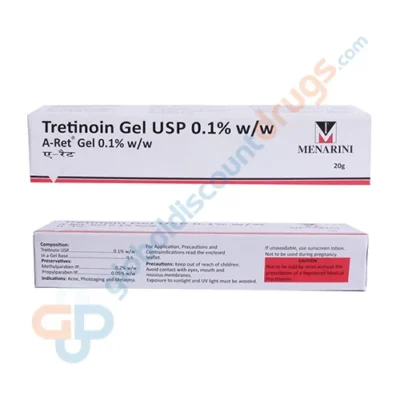
- Other topical retinoids (e.g., tretinoin, tazarotene)
- Topical antibacterial agents (e.g., benzoyl peroxide, topical clindamycin)
- Combination topical therapies
- Oral acne treatments, in cases of moderate to severe acne, as determined by a specialist
The choice of an alternative treatment depends on individual factors such as acne severity, skin sensitivity, and treatment history. Switching treatments should only be done in consultation with a licensed dermatologist or medical specialist.
Storage Instructions
- Store at room temperature, generally between 68°F–77°F (20°C–25°C), unless otherwise directed on the product label
- Keep the container tightly closed to protect from air and moisture
- Protect from excessive light and heat exposure
- Do not freeze
- Store out of reach of children and pets
- Discard any unused product according to local guidelines or pharmacist instructions after the labeled expiration date
Disclaimer:
This page is for educational purposes only. It is not a substitute for professional medical advice, diagnosis, or treatment. Patients must consult a licensed dermatologist (or other relevant medical specialist) before starting, changing, or stopping treatment with adapalene. Treatment decisions must be based on a full clinical evaluation by a qualified specialist, taking into account individual health history, skin condition, and other medications or products in use.
Prescription Required (Rx) to Buy?
This medication is not available over the counter. A valid prescription from a licensed healthcare
professional is required. Always consult your doctor before use.