 Offer Zone
Acne Medications
Acne medications are treatments used to help manage acne by reducing excess oil production, helping to unclog pores, controlling acne-causing bacteria, and reducing skin inflammation. Commonly prescribed acne treatments may include Tretinoin, Adapalene, Isotretinoin, Clindamycin, Doxycycline, and Benzoyl Peroxide-based therapies. Treatment recommendations are based on factors such as acne severity, skin type, medical history, and treatment goals, and should be made by a qualified healthcare professional.
Acne



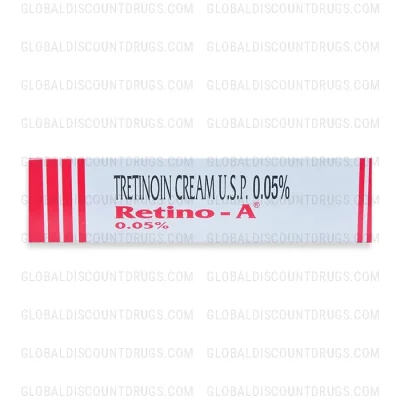
How Acne Medications Help
Acne is a common skin condition that develops when hair follicles become clogged with oil, dead skin cells, and bacteria. It can affect the face, chest, back, shoulders, and other areas of the body.
Acne medications are commonly used to:
- Reduce excess oil production
- Help unclog blocked pores
- Decrease acne-causing bacteria
- Reduce redness and inflammation
- Prevent the formation of new acne lesions
- Support long-term skin health
Treatment plans may vary depending on the type and severity of acne. Some individuals may respond well to topical treatments, while others may require oral medications or combination therapy.
Common Types of Acne Medications
Several categories of medications are commonly used in acne management.
Topical Retinoids
Topical retinoids help prevent clogged pores and support skin cell turnover.
Examples include:
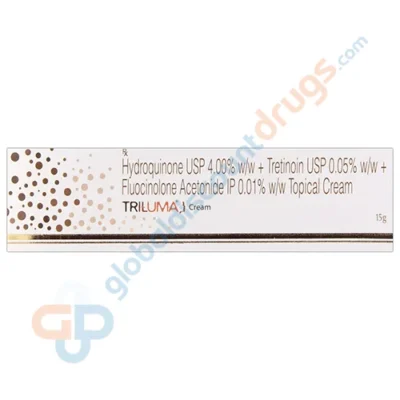
- Tretinoin
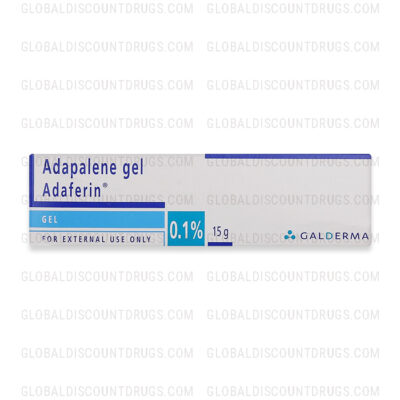
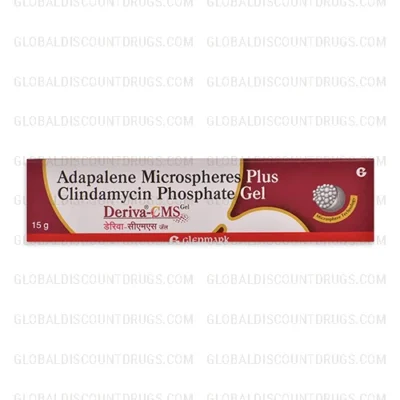
- Adapalene
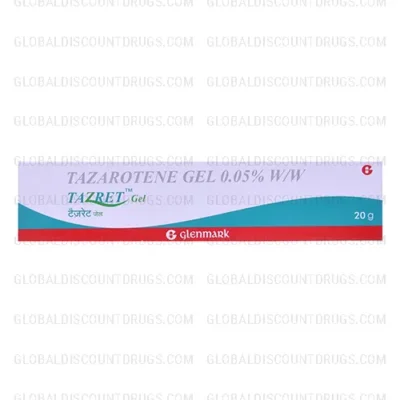
- Tazarotene
These medications are commonly prescribed for mild to moderate acne.
Topical Antibiotics
Topical antibiotics help reduce acne-causing bacteria and inflammation.
Examples include:
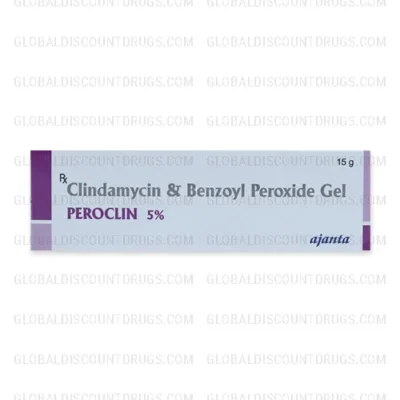
- Clindamycin
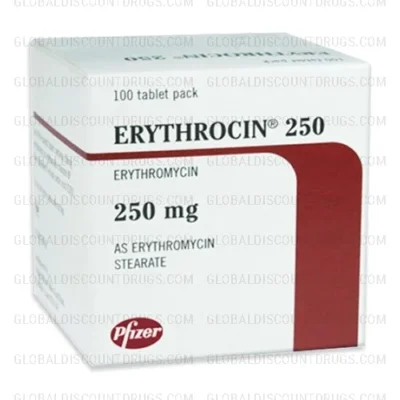
- Erythromycin
They are often used in combination with other acne treatments.
Oral Antibiotics
Oral antibiotics may be prescribed for moderate to severe inflammatory acne.
Examples include:
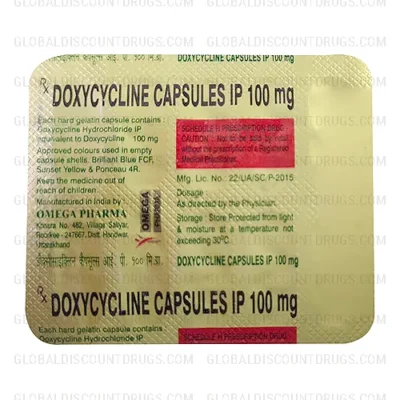
- Doxycycline
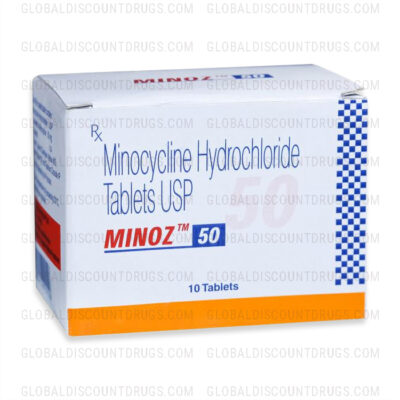
- Minocycline
- Sarecycline
These medications help reduce bacterial growth and inflammation.
Oral Retinoids
Oral retinoids may be considered for severe or treatment-resistant acne.
Example:
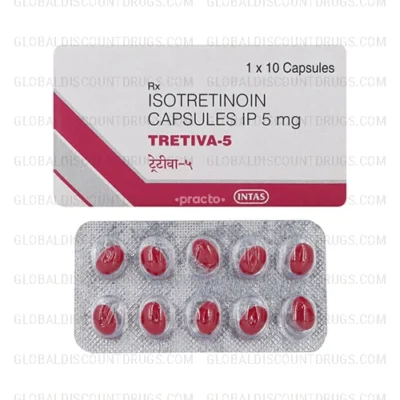
- Isotretinoin
Because these medications require careful monitoring, treatment should be supervised by a healthcare professional.
Common Acne Medications Available
Products available within this category may include commonly prescribed acne treatments such as:
- Tretinoin
- Adapalene
- Isotretinoin
- Clindamycin
- Doxycycline
- Minocycline
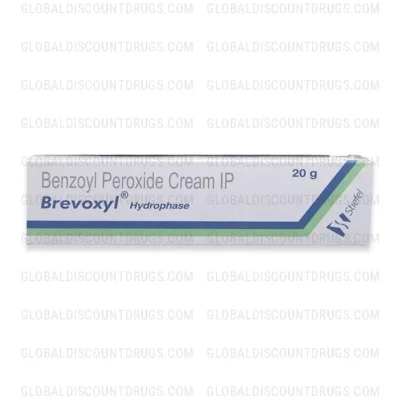
- Benzoyl Peroxide combinations
- Azelaic Acid products
Each medication works differently and may be selected based on the type of acne being treated, treatment history, and individual patient needs.
Choosing the Right Acne Treatment
Healthcare professionals consider several factors when selecting an acne treatment plan, including:
- Acne severity
- Type of acne lesions
- Skin sensitivity
- Age
- Medical history
- Current medications
- Previous treatment response
Treatment plans are individualized, and results may take time to become noticeable. Regular follow-up appointments can help healthcare providers evaluate progress and make adjustments when needed.
Important Safety Information
Acne medications should be used according to healthcare provider instructions.
Important considerations include:
- Some acne medications require a prescription.
- Certain treatments may increase skin sensitivity to sunlight.
- Consistent use is often necessary for optimal results.
- Some oral acne medications require routine monitoring.
- Inform your healthcare provider about any other medications you are taking.
- Follow treatment instructions carefully to reduce the risk of side effects.
If acne symptoms worsen or treatment concerns arise, consult a qualified healthcare professional.
Frequently Asked Questions
What medications are commonly used for acne?
Common acne medications include Tretinoin, Adapalene, Isotretinoin, Clindamycin, Doxycycline, Minocycline, and Benzoyl Peroxide-based treatments.
Do acne medications require a prescription?
Some acne medications require a prescription, while others may be available over the counter. Prescription requirements depend on the medication and local regulations.
How long does acne treatment take to work?
Response times vary between individuals and treatment types. Some treatments may take several weeks before noticeable improvement occurs.
Can acne medications be used long term?
Certain acne treatments may be used long term under medical supervision. The appropriate treatment duration depends on individual needs and treatment response.
How do healthcare providers choose acne treatment?
Treatment selection is based on factors such as acne severity, skin type, treatment history, medical conditions, and patient preferences.
Can adults develop acne?
Yes. Acne can affect teenagers and adults. Hormonal changes, genetics, medications, and other factors may contribute to adult acne.
When should I see a healthcare professional for acne?
Consider consulting a healthcare professional if acne is severe, causes scarring, does not improve with treatment, or affects your quality of life.
References:
- American Academy of Dermatology (AAD)
- National Institute of Arthritis and Musculoskeletal and Skin Diseases (NIAMS)
- MedlinePlus – Acne
- Mayo Clinic – Acne Overview
- American Osteopathic College of Dermatology (AOCD)
Medical Disclaimer
The information provided on this page is for general educational purposes only and should not replace professional medical advice, diagnosis, or treatment. Acne medications should be used only under the supervision of a qualified healthcare professional. Read our full medical disclaimer for more details.
