
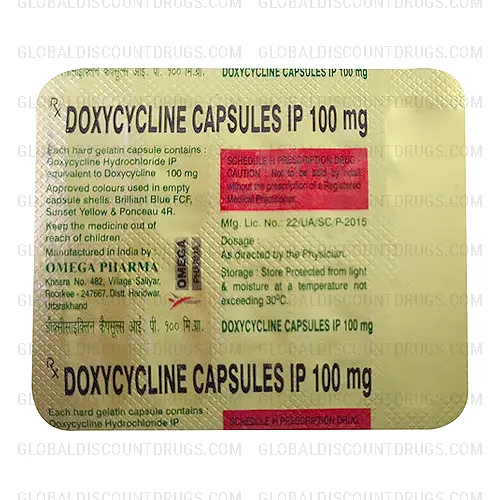
Doxycycline
In StockDoxycycline is a broad-spectrum tetracycline antibiotic used to treat a wide variety of bacterial infections, including respiratory, skin, and sexually transmitted infections, and to prevent malaria. It works by inhibiting bacterial protein synthesis via binding to the 30S ribosomal subunit. This API is favored for its long half-life, high oral bioavailability, and anti-inflammatory properties (useful in acne). Doxycycline is a versatile and essential antibiotic.

What is Doxycycline?
Doxycycline is an oral medication used in the treatment of moderate to severe acne, as well as a wide range of other bacterial infections. It belongs to the drug class known as tetracycline antibiotics.
Doxycycline is commonly prescribed for:
- Moderate to severe inflammatory acne vulgaris
- Rosacea, particularly the inflammatory bumps and pustules associated with it
- Various bacterial infections, including certain respiratory, urinary, and tick-borne infections, as determined by a physician
- Malaria prevention, in specific travel contexts, as directed by a physician
Available formulations and strengths include:
- Oral capsules and tablets – commonly available in strengths such as Doxycycline 100mg Capsules
- Oral delayed-release tablets/capsules – available in similar strength ranges
- Low-dose formulations specifically used for anti-inflammatory (rather than antibacterial) effects in acne and rosacea (e.g., 20 mg or 40 mg)
Not all strengths and formulations are available in every country or under every brand name. Availability may vary by region and by prescription status.
What is the Recommended Dosage of Doxycycline?
Dosage is determined by a licensed medical specialist and may vary depending on:
- The condition being treated (acne, rosacea, or other infections)
- Body weight, particularly in adolescents
- Age
- Kidney and liver function
- Whether an antibacterial dose or a lower anti-inflammatory dose is intended
In general:
- Doxycycline for acne is typically taken once or twice daily, depending on the formulation and specialist instructions
- It is often recommended to be taken with a full glass of water and while sitting or standing upright, to reduce the risk of esophageal irritation
- Some formulations are recommended to be taken on an empty stomach, while others may be taken with food to reduce stomach upset — patients should follow the specific instructions provided by their specialist or pharmacist
- Treatment courses for acne are typically time-limited, often several weeks to a few months, to reduce the risk of antibiotic resistance and other long-term risks
This page does not replace personalized dosing instructions. Patients should always follow the exact dose, formulation, and duration directed by their prescribing specialist or as stated on the product label.
How Doxycycline Works
Doxycycline works by inhibiting bacterial protein synthesis, which stops the growth and multiplication of susceptible bacteria, including Cutibacterium acnes, associated with acne. At lower doses, doxycycline is also used for its anti-inflammatory properties, independent of its antibacterial action, which is particularly relevant in treating inflammatory acne and rosacea.
Doxycycline manages and reduces symptoms of acne and related inflammatory skin conditions; it does not permanently cure these conditions, and treatment is generally used for a defined period rather than indefinitely, often alongside topical therapies for longer-term maintenance. Improvement is typically gradual over several weeks.
Is a Prescription Required to Buy Doxycycline Online?
Yes. Doxycycline is a prescription-only medication in essentially all regions where it is available, due to its status as a systemic antibiotic requiring specialist oversight.
Patients should consult a licensed dermatologist or physician before starting doxycycline, particularly to:
- Confirm that the acne, rosacea, or infection is appropriate for oral antibiotic therapy
- Review other medications currently in use
- Discuss the appropriate duration of treatment, since prolonged antibiotic use is generally limited and carefully managed
Safety notes when purchasing:
- Only purchase doxycycline from licensed, verified pharmacies with a valid prescription.
- Avoid counterfeit products, unregulated online sellers, or veterinary-labeled formulations, as these are not intended or tested for human use and may pose safety risks.
Side Effects of Doxycycline
Common Side Effects
- Nausea, upset stomach, or diarrhea
- Increased sensitivity to sunlight (notably more common with doxycycline than with some other tetracyclines)
- Headache
- Loss of appetite
These effects are often most noticeable during the first weeks of treatment and may lessen as the body adjusts. Taking doxycycline with food (where appropriate for the specific formulation) and staying well-hydrated may help reduce stomach-related side effects.
Serious Side Effects
Serious reactions are uncommon but can include:
- Signs of an allergic reaction, such as hives, facial swelling, or difficulty breathing
- Difficulty swallowing, chest pain, or irritation when swallowing, which may indicate esophageal irritation or ulceration
- Severe headache, vision changes, or other signs of increased pressure in the skull (pseudotumor cerebri), particularly when combined with certain other medications such as isotretinoin
- Severe sunburn-like skin reactions after minimal sun exposure (photosensitivity reactions)
- Signs of liver problems, such as yellowing of the skin or eyes, dark urine, or severe fatigue
- Severe or persistent diarrhea, which may indicate a serious intestinal condition associated with antibiotic use
Seek immediate medical attention if signs of a serious allergic reaction, difficulty swallowing, severe headache with vision changes, yellowing of the skin or eyes, or severe or persistent diarrhea occur.
This is not a complete list of possible side effects. Patients should report any unusual or persistent symptoms to their prescribing specialist.
Drug Interactions
Doxycycline may interact with a range of other medications and products, including:
- Isotretinoin and other vitamin A-related medications, due to an increased risk of pseudotumor cerebri when combined with tetracyclines
- Antacids, calcium, iron, or magnesium-containing products (including many dairy products and supplements), which can reduce the absorption of doxycycline when taken at the same time
- Oral contraceptives, where reliability may be affected in some cases, warranting discussion of backup contraception with a specialist
- Blood-thinning medications (e.g., warfarin), as tetracyclines may enhance their effect
- Barbiturates and certain anti-seizure medications, which may reduce doxycycline’s effectiveness by increasing its breakdown in the body
Patients should provide their prescribing specialist with a full list of:
- Prescription medications
- Over-the-counter (OTC) products
- Vitamins, supplements, or herbal remedies
so that potential interactions can be identified and managed before and during doxycycline therapy.
Safety & Important Considerations
- Sun sensitivity: Doxycycline is associated with a notably increased risk of photosensitivity reactions; strict sun protection, including sunscreen and protective clothing, is strongly recommended during treatment.
- Esophageal irritation: To reduce the risk of throat or esophageal irritation, doxycycline is often taken with a full glass of water, and patients are generally advised not to lie down immediately after taking a dose.
- Pregnancy and breastfeeding: Doxycycline and other tetracyclines are generally avoided during pregnancy and breastfeeding due to risks including effects on fetal bone and tooth development; this should be discussed thoroughly with a specialist.
- Children: Tetracyclines, including doxycycline, are generally avoided in children under 8 years of age (with some exceptions determined by a physician for specific serious infections) due to the risk of permanent tooth discoloration and effects on bone growth.
- Liver and kidney function: Dose adjustments or additional monitoring may be required in patients with impaired liver or kidney function.
- Antibiotic stewardship: Because doxycycline is a systemic antibiotic, specialists typically limit treatment duration and monitor response to reduce the risk of bacterial resistance, particularly for acne and rosacea.
- Monitoring: Periodic follow-up may be recommended for patients on longer courses of doxycycline.
This section reflects general safety considerations and does not replace specialist guidance specific to an individual’s health history.
Who This Medication Is For
Doxycycline is generally intended for individuals with:
- Moderate to severe inflammatory acne vulgaris, particularly when topical therapies alone have not been sufficient
- Inflammatory rosacea symptoms
- Bacterial infections where a tetracycline antibiotic is considered an appropriate treatment, as determined by a physician
It is typically used in adolescents (generally 8 years and older) and adults. Suitability for a given patient should be confirmed by a licensed specialist based on age, medical history, and treatment goals.
Who Should Not Take Doxycycline
Doxycycline is contraindicated in individuals who:
- Have a known allergy or hypersensitivity to doxycycline or other tetracycline antibiotics
- Are pregnant, due to risks to fetal development
- Are children under 8 years of age, in most circumstances, due to risks to tooth and bone development
Precautions:
- Individuals with difficulty swallowing pills or a history of esophageal conditions should discuss administration precautions with their specialist.
- Patients with liver or kidney impairment should be evaluated carefully before starting treatment.
- Concurrent use of isotretinoin or other vitamin A-related medications is generally avoided due to increased risk of intracranial pressure complications.
- Individuals with high sun exposure occupations or lifestyles should discuss sun protection strategies given doxycycline’s photosensitivity risk.
This is not a complete list of contraindications. A full medical history review by a licensed specialist is necessary before starting treatment.
What to Do If You Miss a Dose
General guidance for a missed dose includes:
- Take the missed dose as soon as remembered, unless it is close to the time of the next scheduled dose
- Do not take a double dose to make up for a missed one
- Resume the regular dosing schedule as directed
If there is uncertainty about how to proceed after multiple missed doses, patients should contact their licensed medical specialist for guidance.
Related medications to Doxycycline
Other medications or therapeutic approaches that may be considered for moderate to severe acne or rosacea, depending on individual circumstances, include:
- Other oral antibiotics (e.g., minocycline)
- Topical retinoids (e.g., adapalene, tretinoin)
- Benzoyl peroxide-based therapies
- Topical or combination antibiotic therapies (e.g., clindamycin-benzoyl peroxide)
- Topical treatments specifically for rosacea, depending on the condition being treated
- Hormonal therapies, in appropriate candidates
- Isotretinoin, for more severe or treatment-resistant acne, as determined by a specialist
The choice of an alternative treatment depends on individual factors such as condition severity, prior treatment response, and overall health. Switching treatments should only be done in consultation with a licensed dermatologist or physician.
Storage Instructions
- Store at room temperature, generally between 68°F–77°F (20°C–25°C), unless otherwise directed on the product label
- Protect from excessive heat and moisture; avoid storing in bathrooms
- Keep in the original container, away from direct light
- Store out of reach of children and pets
- Discard any unused product according to local guidelines or pharmacist instructions after the labeled expiration date; do not use expired tetracycline antibiotics, as degraded product has been associated with specific safety concerns
Disclaimer:
This page is for educational purposes only. It is not a substitute for professional medical advice, diagnosis, or treatment. Patients must consult a licensed dermatologist or physician before starting, changing, or stopping treatment with Doxycycline. Treatment decisions must be based on a full clinical evaluation by a qualified specialist, taking into account individual health history, skin condition, and other medications or products in use.
Prescription Required (Rx) to Buy?
This medication is not available over the counter. A valid prescription from a licensed healthcare
professional is required. Always consult your doctor before use.