
No products in the cart.

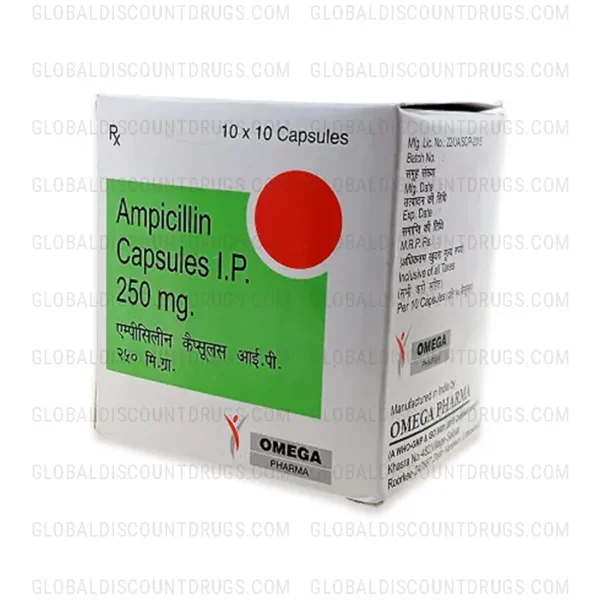
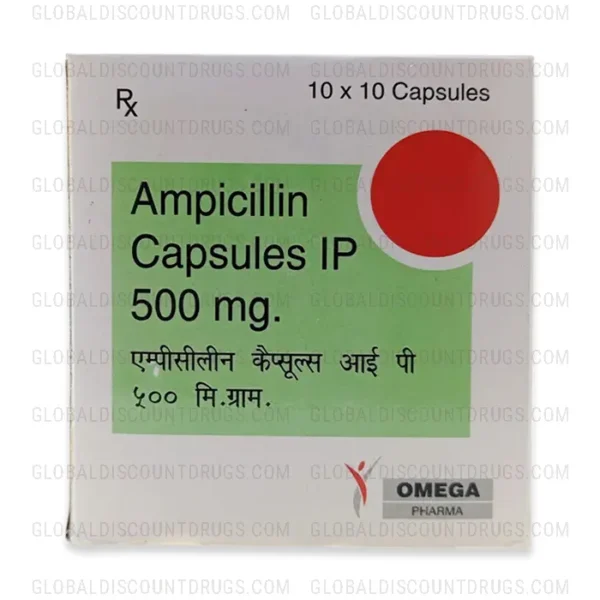
Ampicillin
In StockAmpicillin is a prescription antibiotic used to treat bacterial infections such as respiratory tract infections, urinary tract infections, gastrointestinal infections, and certain skin infections. It belongs to the penicillin class and works by interfering with bacterial cell wall formation, which helps stop bacterial growth. This action supports the body in clearing infection. Use ampicillin only as directed on the product label or by a healthcare professional.
$0.20 per pill
What is Ampicillin
Ampicillin is an antibiotic that belongs to the penicillin class of beta lactam antibiotics. It is used to treat bacterial infections by stopping the growth of bacteria.
Approved and commonly prescribed uses
- Respiratory tract infections
- Urinary tract infections
- Gastrointestinal infections
- Skin and soft tissue infections
- Ear nose and throat infections
Certain serious infections such as meningitis endocarditis and septicemia under specialist care
Available formulations and strengths
Capsules and tablets
Oral suspension liquid
Injectable formulations intravenous or intramuscular
Combination forms with other medicines in hospital settings
Ampicillin treats bacterial infections only and does not work against viral illnesses such as the common cold or flu.
What is the Recommended Dosage of Ampicillin
Dosage varies depending on
Type and severity of infection
Age and body weight especially in children
Kidney function
Route of administration oral or injectable
How Ampicillin Works
Ampicillin works by interfering with the formation of the bacterial cell wall. Without a proper cell wall bacteria become weak and break apart which helps the body clear the infection.
The medication controls bacterial growth and helps resolve symptoms. It may cure susceptible infections when used correctly but incomplete courses can allow bacteria to survive and contribute to antibiotic resistance.
Is a Prescription Required to Buy Ampicillin Online
Ampicillin is a prescription only medication in most regions.
Patients should consult a licensed medical specialist such as
- Primary care physician
- Infectious disease specialist
- Pediatrician for children
Using antibiotics without proper diagnosis can lead to ineffective treatment and resistance. Patients should avoid purchasing products from unverified sources and be cautious of counterfeit or veterinary formulations.
Ampicillin should be obtained only from licensed pharmacies that require valid prescriptions.
Side Effects of Ampicillin
Common Side Effects
- Nausea
- Diarrhea
- Mild stomach discomfort
- Skin rash
- Headache
These effects are often temporary but should be discussed if persistent.
Serious Side Effects
- Severe allergic reactions swelling difficulty breathing hives
- Severe diarrhea related to antibiotic associated colitis
- Liver enzyme changes
- Blood count abnormalities
Immediate medical attention is required if signs of severe allergy persistent diarrhea or unusual bruising occur.
Drug Interactions
Ampicillin may interact with
- Other antibiotics
- Blood thinners
- Gout medications such as probenecid
- Certain oral contraceptives
- Methotrexate
Interactions may also occur with
- Over the counter medicines
- Herbal supplements
- Probiotics
Patients should provide a complete medication and supplement list to their licensed medical specialist before starting treatment.
Safety and Important Considerations
Important precautions include
Kidney disease dose adjustment may be required
Penicillin allergy risk of cross reactivity with related antibiotics
Pregnancy and breastfeeding often considered when benefits outweigh risks but requires specialist guidance
Children and elderly monitoring for dosing accuracy and tolerance
Monitoring symptom response allergic reactions and occasionally lab tests
Unnecessary or prolonged antibiotic use increases resistance risk.
Who This Medication Is For
Ampicillin is typically prescribed for patients with confirmed or strongly suspected bacterial infections caused by susceptible organisms.
It may be used in
- Adults
- Children including infants under specialist supervision
- Hospitalized patients with serious infections
Use is based on clinical evaluation diagnostic testing and infection severity.
Who Should Not Take Ampicillin
Ampicillin may not be appropriate for individuals with
- Known allergy to penicillins or related antibiotics
- History of severe antibiotic associated colitis
- Certain viral infections such as infectious mononucleosis due to rash risk
Caution is required in patients with kidney impairment or multiple drug allergies.
What to Do If You Miss a Dose
If a dose is missed
Take it as soon as remembered
Skip the missed dose if it is close to the next scheduled dose
Do not double doses
If multiple doses are missed or uncertainty exists contact a licensed medical specialist for guidance.
Alternatives to Ampicillin
Other antibiotics in the same or related therapeutic classes may include
- Amoxicillin
- Piperacillin hospital use
- Cephalosporins class alternative depending on infection
- Macrolides or fluoroquinolones when clinically appropriate
Switching antibiotics requires specialist evaluation based on infection type culture results and patient history.
Storage Instructions
- Store at room temperature unless otherwise directed
- Protect from moisture and direct light
- Liquid formulations may require refrigeration depending on pharmacy instructions
- Keep medication out of reach of children and pets
- Do not use after expiration
- Dispose of unused antibiotics according to pharmacy guidance.
Disclaimer:
This page is for educational purposes only. It is not a substitute for professional medical advice diagnosis or treatment. Patients must consult a licensed medical specialist such as a primary care physician or infectious disease specialist before starting changing or stopping treatment. Treatment decisions must be based on a full clinical evaluation by a qualified specialist.


$0.29 – $0.35 per pill


$0.39 – $0.48 per pill


$7.42 – $9.07 per pill
$1.80 – $2.20 per pill


