



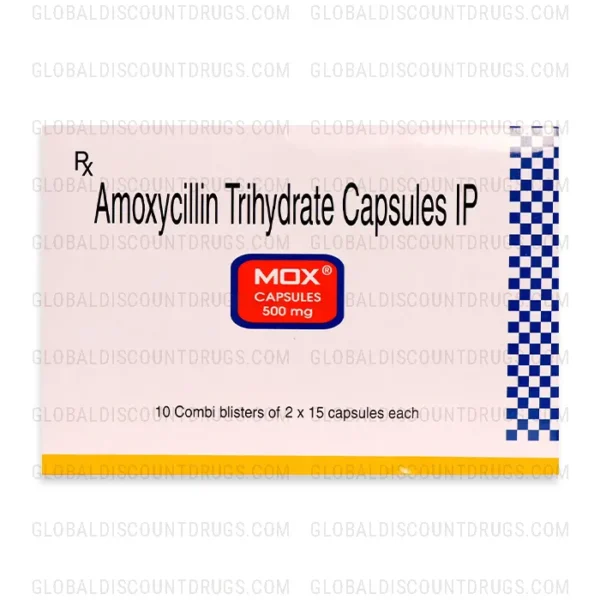
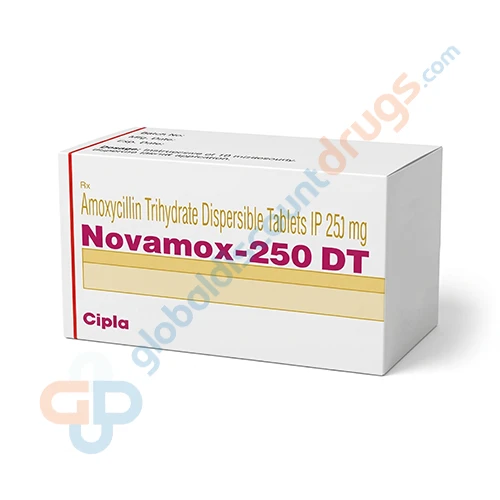
Amoxicillin
In StockAmoxicillin is a widely used prescription antibiotic that treats many types of bacterial infections. It belongs to the penicillin group and works by stopping bacteria from growing. This medication is often used for ear infections, throat infections, sinus problems, and urinary tract infections. You can find Amoxicillin in different strengths like 125mg, 250mg, and 500mg to match your treatment needs.

What Is Amoxicillin?
Amoxicillin is an antibiotic used to treat infections caused by certain types of bacteria. It belongs to a group of medicines called penicillin antibiotics, specifically a subgroup known as aminopenicillins.
Amoxicillin is one of the most commonly prescribed antibiotics and is used for a wide range of bacterial infections, including:
- Amoxicillin For Ear Infection
- Sinus infections
- Throat infections, including streptococcal (“strep”) throat
- Certain respiratory tract infections, such as bronchitis and some types of pneumonia
- Urinary tract infections
- Skin infections
- Certain dental infections
- As part of combination therapy for H. pylori, a bacteria linked to some stomach ulcers
- Certain tick-borne infections, such as early-stage Lyme disease, when specifically indicated by a healthcare provider
Amoxicillin is not effective against viral infections, such as the common cold or influenza.
Available formulations include:
- Oral capsules
- Oral tablets, including chewable tablets
- Extended-release tablets
- Oral liquid suspension, including pediatric drop formulations
- Intravenous or intramuscular injection, used in certain hospital settings (more commonly with a related medication, ampicillin)
Amoxicillin is also available combined with clavulanate, a separate ingredient that helps it work against certain resistant bacteria; this combination product is a different medication with its own separate prescribing information and is not covered in detail on this page. The specific formulation and strength prescribed depend on the infection being treated, as determined by a licensed medical provider.
What Is the Recommended Dosage of Amoxicillin?
There is no single dosage of amoxicillin that applies to every patient. Dosage is individualized based on several factors, including:
- The specific infection being treated
- The patient’s age
- Body weight, particularly in children, where dosing is typically weight-based
- Kidney function, since amoxicillin is cleared from the body primarily by the kidneys
Amoxicillin is available in multiple dosage forms, including capsules, tablets, chewable tablets, extended-release tablets, and liquid suspension. Treatment courses are typically taken multiple times a day for a set number of days, though the exact schedule depends on the infection.
Because incorrect dosing can reduce effectiveness or increase the risk of side effects, dosing decisions should always be made by a licensed medical provider based on a full clinical evaluation. Patients and caregivers should not adjust the dose, frequency, or length of treatment without medical guidance, and should always complete the full course as prescribed, even if symptoms improve before the medication is finished.
How Amoxicillin Works
Amoxicillin works by interfering with the ability of certain bacteria to build and maintain their protective outer cell wall. Without a properly functioning cell wall, bacteria become unstable and are typically destroyed, which is why amoxicillin is generally described as bactericidal (bacteria-killing) rather than simply slowing bacterial growth.
Amoxicillin treats active bacterial infections; it does not prevent future infections caused by unrelated bacteria, and it has no effect on viruses.
Is a Prescription Required to Buy Amoxicillin Online?
Yes. Amoxicillin is a prescription-only medication and cannot legally be purchased without a valid prescription issued by a licensed healthcare provider.
Patients should consult an appropriate licensed medical provider before starting amoxicillin, such as:
- A primary care physician or family doctor
- A pediatrician, for children
- A dentist, for certain dental infections
- An infectious disease specialist, for complex or recurrent infections
Patients should be cautious of any website or seller offering amoxicillin without a prescription, at unusually low prices, or marketed as a veterinary or aquarium product for human use. These products may be counterfeit, contaminated, mislabeled, or contain incorrect dosages, all of which can pose serious health risks. Amoxicillin should only be obtained through a licensed pharmacy, using a prescription from a legitimate healthcare provider.
Side Effects of Amoxicillin
Like all medications, amoxicillin can cause side effects. Most people tolerate it well, but it is important to be aware of what to watch for.
Common Side Effects
These are usually mild and often resolve on their own:
- Diarrhea or loose stools
- Nausea
- Vomiting
- Skin rash (a non-allergic rash can sometimes occur, particularly in children, and is different from a true allergic reaction, though any rash should be reported to a provider)
- Headache
Serious Side Effects
Serious side effects are uncommon but can occur. Contact a healthcare provider or seek immediate medical attention if any of the following occur:
- Signs of a severe allergic reaction, such as facial or throat swelling, difficulty breathing, wheezing, or widespread hives; penicillin-class antibiotics, including amoxicillin, are among the more common causes of drug allergy
- Severe skin reactions, including blistering, peeling, or a widespread rash accompanied by fever
- Severe or persistent diarrhea, particularly if it contains blood or occurs after treatment has ended (which may indicate a serious intestinal infection)
- Yellowing of the skin or eyes, dark urine, or unusual fatigue (possible signs of liver problems, which are rare)
- Unusual bruising, bleeding, or signs of infection such as fever with sore throat (rare, but may indicate a change in blood cell counts)
This list is not exhaustive. Patients should report any new or concerning symptoms to their healthcare provider.
Drug Interactions
Amoxicillin has fewer major drug interactions than many other antibiotic classes, but some are still clinically important.
Categories of substances that may interact with amoxicillin include:
- Methotrexate, a medication used for certain autoimmune conditions and cancers, where amoxicillin may increase the level of methotrexate in the body
- Allopurinol, a medication used for gout, which in combination with amoxicillin may increase the likelihood of skin rash
- Probenecid, a medication that can slow the elimination of amoxicillin from the body, potentially increasing its levels
- Blood thinners, such as warfarin, where antibiotics including amoxicillin may occasionally affect blood-clotting test results
- Certain hormonal contraceptives; while significant interaction is uncommon, some patients are advised to discuss backup contraception during antibiotic treatment
Patients should also tell their provider about any over-the-counter medications, vitamins, herbal products, or supplements they are taking, as these can sometimes interact as well.
Before starting amoxicillin, patients and caregivers should give their licensed medical provider or pharmacist a complete and current list of all medications and supplements being used. This helps the provider assess for potential interactions and adjust treatment if necessary.
Safety & Important Considerations
Several factors should be discussed with a healthcare provider before starting amoxicillin:
- Allergy history: Amoxicillin belongs to the penicillin family, and patients with a history of penicillin allergy should discuss this carefully with their provider, since a reaction could occur again. Patients with certain other antibiotic allergies (such as to cephalosporins) may also need additional discussion, as some cross-reactivity is possible.
- Kidney function: Amoxicillin is cleared through the kidneys, and dose adjustments may be needed for patients with significant kidney impairment.
- Liver function: Liver-related side effects are uncommon with amoxicillin alone, but patients with liver disease should still inform their provider.
- Pregnancy: Amoxicillin is generally considered one of the antibiotics more commonly used during pregnancy when clinically appropriate, but the decision should still be made by a healthcare provider based on individual circumstances.
- Breastfeeding: Small amounts of amoxicillin can pass into breast milk. Breastfeeding patients should discuss this with their provider.
- Children: Dosing for children is generally based on body weight and requires careful calculation by a healthcare provider or pharmacist.
- Mononucleosis: Patients with infectious mononucleosis (“mono”) who take amoxicillin have a higher chance of developing a widespread rash; providers often avoid prescribing it if mono is suspected.
- Monitoring: Depending on individual health history, a provider may recommend monitoring for symptoms, particularly during longer courses of treatment.
This medication should only be used for the specific condition and duration prescribed. Use for conditions not evaluated and approved by a healthcare provider is not recommended.
Who This Medication Is For
Amoxicillin is generally prescribed for patients who have been diagnosed with a bacterial infection known or likely to respond to penicillin-class antibiotics. This can include infants, children, adults, and older adults, depending on the specific infection and a provider’s clinical judgment.
Typical approved uses include ear, sinus, throat, respiratory, urinary tract, skin, and certain dental infections, as well as combination therapy for specific stomach infections, as identified by a healthcare provider through clinical evaluation and, when appropriate, laboratory testing.
Whether amoxicillin is an appropriate choice depends on the type of bacteria involved, the patient’s allergy history, and other individual factors that only a licensed provider can assess.
Who Should Not Take Amoxicillin
Amoxicillin is not appropriate for everyone. It should generally be avoided in patients who:
- Have a known allergy to amoxicillin, penicillin, or other penicillin-class antibiotics
- Have a history of a severe allergic reaction to any beta-lactam antibiotic, including certain cephalosporins, without further evaluation by a provider
- Have suspected or confirmed infectious mononucleosis, due to an increased risk of rash
- Have significant, unaddressed kidney impairment, without appropriate dose adjustment guidance from a provider
This is not a complete list of contraindications or precautions. A full medical history should be reviewed by a licensed healthcare provider before starting treatment.
What to Do If You Miss a Dose
If a dose of amoxicillin is missed:
- Take the missed dose as soon as it is remembered, unless it is almost time for the next scheduled dose.
- Do not take two doses at the same time or take an extra dose to make up for the missed one.
- Try to space out remaining doses as evenly as possible for the rest of the day, following the original prescribed schedule as closely as you can.
- If there is uncertainty about how to proceed, or if multiple doses have been missed, contact a licensed medical provider or pharmacist for guidance rather than guessing.
Completing the full prescribed course, even after symptoms improve, is important for the treatment to work as intended and to reduce the chance of the infection returning.
Related medications to Amoxicillin
Depending on the type of infection, allergy history, and local bacterial resistance patterns, other antibiotics may be considered as alternatives to amoxicillin. These may include other penicillin-class antibiotics, cephalosporins, macrolides (such as azithromycin), or other antibiotic classes entirely, depending on the bacteria involved and the patient’s individual health profile.
The decision to use an alternative medication should always be made in consultation with a licensed medical provider, who can weigh factors such as allergy history, the specific bacteria involved, other medications, and overall health status. Patients should not switch antibiotics on their own.
Storage Instructions
- Store amoxicillin capsules and tablets at room temperature, away from excessive heat.
- Keep the medication in its original container, protected from moisture and light.
- Liquid suspension typically requires refrigeration once mixed by the pharmacy; follow the pharmacist’s specific instructions, as mixed suspension is generally only usable for a limited number of days.
- Do not use the medication past its labeled expiration date, and discard any unused liquid suspension after the recommended period, even if symptoms have not fully resolved.
- Keep all forms of amoxicillin out of reach of children and pets, and store it in a location they cannot access.
- Dispose of any unused or expired medication according to local guidelines or pharmacist instructions, rather than discarding it in household trash or flushing it, unless specifically instructed to do so.
Related Articles about Amoxicillin
- Amoxicillin 400mg/5ml Dosage Chart By Weight Twice A Day
- Can You Take Ibuprofen With Amoxicillin
- Is Amoxicillin the Same as Penicillin
Disclaimer:
This page is for educational purposes only and is not a substitute for professional medical advice, diagnosis, or treatment. Amoxicillin should only be used under the guidance of a licensed medical provider, such as a physician, pediatrician, or infectious disease specialist, depending on the condition being treated.
Patients and caregivers should consult a licensed medical provider before starting, changing, or stopping treatment with amoxicillin. Treatment decisions should always be based on a complete clinical evaluation, including individual health history, current medications, and the specific infection being treated, as determined by a qualified healthcare professional.
Prescription Required (Rx) to Buy?
This medication is not available over the counter. A valid prescription from a licensed healthcare
professional is required. Always consult your doctor before use.