
No products in the cart.

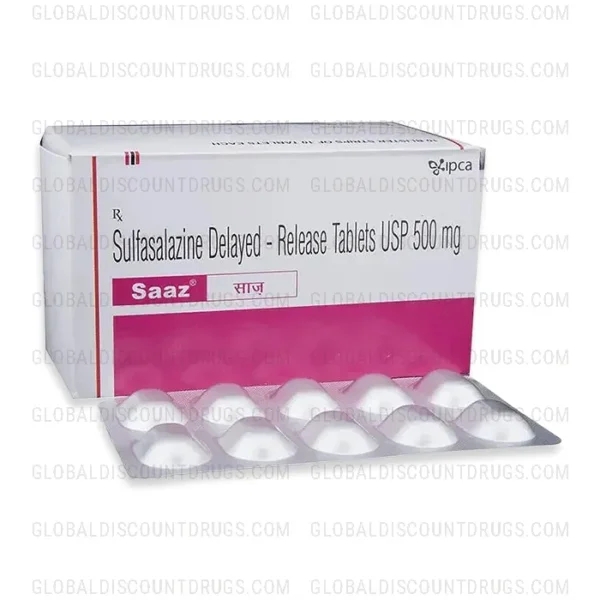

Sulfasalazine
In StockSulfasalazine is an aminosalicylate and sulfonamide combination used as a Disease-Modifying Antirheumatic Drug (DMARD) for rheumatoid arthritis (RA) and a primary agent for ulcerative colitis (UC). It works as a prodrug, releasing 5−aminosalicylic acid (5−ASA) in the colon to suppress local inflammation. This API is foundational for controlling chronic intestinal inflammation and slowing RA progression. Sulfasalazine is a versatile drug in rheumatology and gastroenterology.
$0.14 per pill
What is Sulfasalazine?
Sulfasalazine is a prescription anti-inflammatory medicine commonly used to treat inflammatory bowel diseases and certain forms of arthritis. It helps reduce swelling, bowel irritation, and immune-related inflammation. Available in tablet form, Sulfasalazine is widely recommended for long-term disease management, offering relief from recurring symptoms and helping patients maintain a better quality of life.
Sulfasalazine used for
Sulfasalazine is mainly prescribed for:
-
Ulcerative colitis
-
Crohn’s disease (in selected cases)
-
Rheumatoid arthritis
-
Juvenile arthritis
-
Bowel inflammation and flare-ups
Doctors often use this medicine when patients experience chronic digestive inflammation or joint swelling that affects daily activities.
Chemical composition
Sulfasalazine contains two active components linked together:
-
Sulfapyridine
-
5-Aminosalicylic acid (5-ASA)
Once inside the body, gut bacteria break Sulfasalazine into these two parts. 5-ASA reduces inflammation in the intestines, while sulfapyridine helps regulate immune responses. Inactive ingredients may vary based on brand or manufacturer.
Sulfasalazine mechanism
Sulfasalazine works by lowering inflammation in the digestive tract and joints. It blocks certain chemicals responsible for swelling, pain, and tissue damage. In ulcerative colitis, it calms irritated bowel lining, while in arthritis, it decreases joint stiffness and inflammation. Its dual-action anti-inflammatory effect makes it useful for chronic autoimmune conditions.
How does Sulfasalazine help with recovery?
This medicine helps the body heal by:
-
Reducing inflammation in the colon
-
Lowering immune overactivity that damages tissues
-
Improving mobility in arthritis patients
-
Minimizing flare-ups and maintaining long-term remission
Many patients experience fewer digestive cramps, reduced bowel frequency, and more comfortable movement after consistent use.
What are the other benefits?
Additional benefits may include:
-
Support in long-term management of autoimmune bowel conditions
-
Lower recurrence rate of painful flare-ups
-
Improved joint flexibility and reduced morning stiffness
-
Better control of chronic inflammatory symptoms
-
Ability to use alongside other prescribed therapies for enhanced results
Dosages
Available strengths or dosage
Sulfasalazine typically comes in:
-
500 mg tablets
-
Sulfasalazine EC (enteric-coated) tablets to reduce stomach irritation
The dosing schedule varies depending on the condition:
-
Higher doses for inflammatory bowel disease
-
Gradual dose increase for arthritis treatment
How and when to take it
-
Take Sulfasalazine with food to avoid stomach discomfort.
-
Swallow tablets whole; do not crush EC tablets.
-
Drink plenty of water throughout the day.
-
Take the medicine at the same time daily for steady therapeutic effect.
-
Your doctor may recommend starting with a low dose and gradually increasing it.
Overdose caution
Signs of overdose may include:
-
Severe stomach upset
-
Vomiting
-
Dizziness
-
Headache
-
Yellowing of the skin or eyes
Seek immediate medical help if any severe symptoms appear after accidental extra dosing.
Who can use/take Sulfasalazine?
Sulfasalazine is suitable for:
-
Adults with bowel inflammation or arthritis
-
Teenagers (only with doctor supervision)
-
Men and women needing long-term anti-inflammatory treatment
Caution is required for:
-
People with liver or kidney issues
-
Patients with blood disorders
-
Individuals allergic to sulfa drugs or aspirin-type medicines
-
Pregnant or breastfeeding women—medical advice is required
Side Effects & Precautions
What are the side effects?
Common side effects include:
-
Nausea
-
Headache
-
Loss of appetite
-
Stomach upset
-
Mild rash
-
Orange-colored urine (harmless but noticeable)
Less common but more serious effects:
-
Severe allergic reactions
-
Liver problems
-
Low blood counts
-
Breathing difficulty
Seek medical attention if any unusual or persistent symptoms appear.
What are the precautions to avoid side effects?
To use Sulfasalazine safely:
-
Take it with meals to reduce stomach irritation
-
Drink extra fluids daily
-
Attend regular blood tests as recommended
-
Inform your doctor about any allergies to sulfa medicines
-
Avoid alcohol to protect the liver
-
Report fever, sore throat, or unusual bleeding immediately
Always consult your doctor before starting this medicine. If prescribed, you can order Sulfasalazine tablets online safely from trusted pharmacy sources and ensure timely refills for consistent inflammation control.


$0.61 per pill


$14.99 – $18.33 per pill


$2.62 – $3.20 per pill


$0.55 – $0.67 per pill


