
No products in the cart.
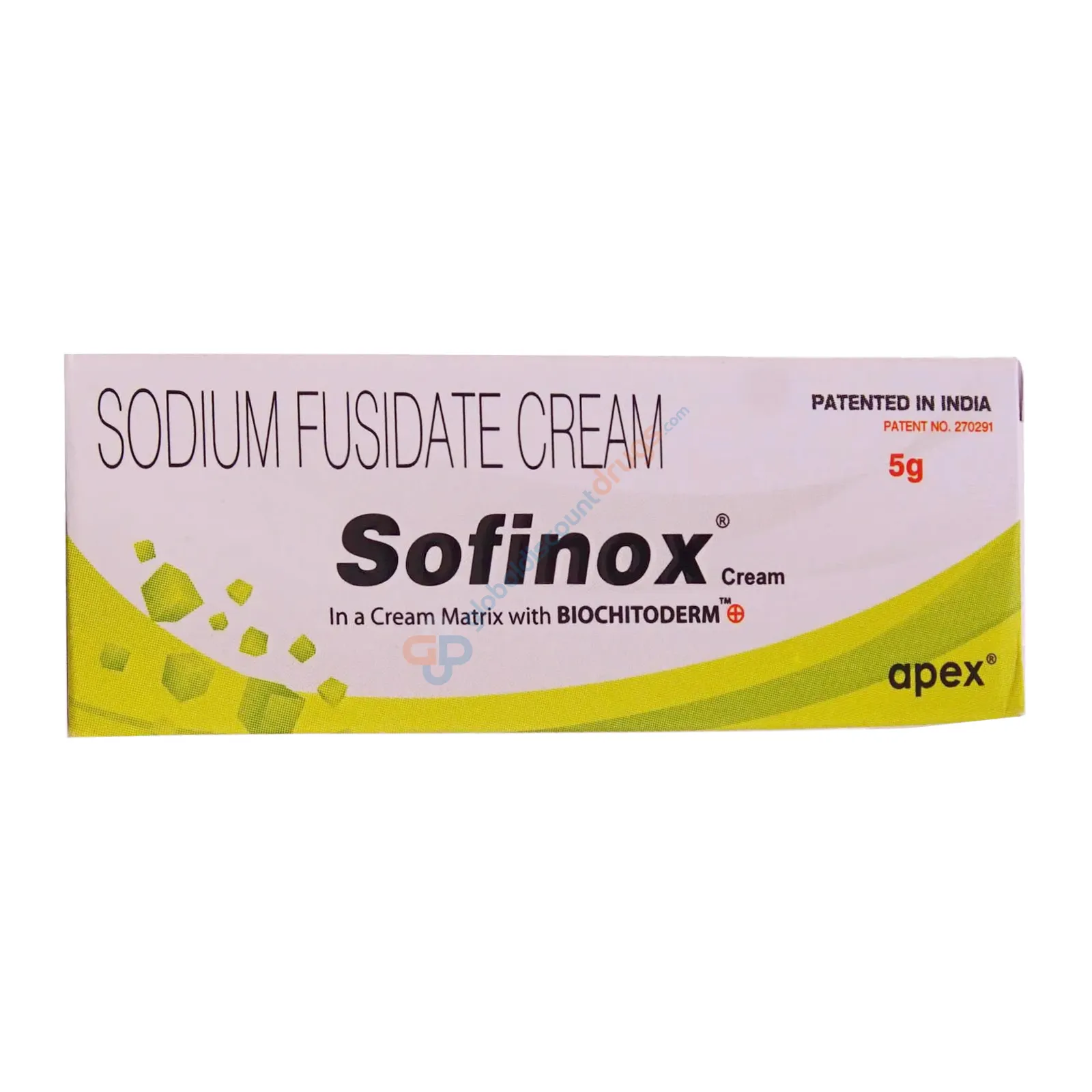


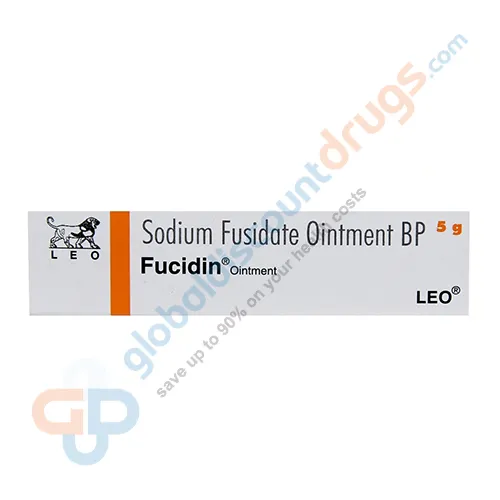
Sodium Fusidate
In StockSodium Fusidate is the salt form of Fusidic Acid, a highly effective, narrow-spectrum topical antibiotic primarily used for treating skin and soft tissue infections caused by Staphylococcus aureus, including some MRSA strains. It works by inhibiting bacterial protein synthesis. This API is valued for its potent anti-staphylococcal activity and excellent skin penetration. Sodium Fusidate is a mainstay in the localized treatment of impetigo and infected dermatitis.
$9.36 per pill
What is Sodium Fusidate?
Sodium Fusidate is an antibacterial medicine used to treat skin infections caused by certain bacteria. It is commonly available as a cream, ointment, or tablet depending on the treatment need. This medicine helps stop bacteria from growing and allows the skin to heal faster. Doctors often recommend it for infections that do not respond well to standard antibiotics. It offers targeted relief while being gentle enough for continued use under medical guidance.
Sodium Fusidate Used For
Sodium Fusidate is used to treat:
-
Impetigo
-
Infected eczema
-
Minor skin wounds with bacterial growth
-
Folliculitis
-
Boils and other staphylococcal infections
It may also be used orally in some cases of bone or joint infections when prescribed by specialists.
Chemical Composition
The active ingredient is Sodium Fusidate, a salt form of Fusidic Acid.
Topical forms contain additional inactive ingredients to support absorption, texture, and skin comfort.
Sodium Fusidate Mechanism
Sodium Fusidate works by blocking bacterial protein synthesis. It attaches to bacterial enzymes and stops them from producing essential proteins. When bacteria cannot grow or multiply, the infection gradually reduces, allowing the affected skin to recover.
How It Helps Heal Skin Infections
This medicine directly targets the bacteria responsible for staph-related skin infections. It reduces inflammation, prevents worsening of wounds, and promotes faster healing. Because it acts locally, especially in cream form, it delivers relief without affecting the rest of the body, making it a reliable option for common skin infections.
What Are the Other Benefits?
-
Effective against resistant staphylococcal bacteria
-
Suitable for both adults and children
-
Works quickly, often improving symptoms within a few days
-
Helps prevent infection from spreading to nearby skin
-
Generally well tolerated when used as prescribed
Dosages
Available Strengths or Dosage
Sodium Fusidate is available as:
-
Topical cream (usually 2%)
-
Topical ointment (usually 2%)
-
Tablets (varies by brand)
Topical forms are most commonly used for everyday skin infections.
How and When to Take It
-
Clean and dry the infected area before applying
-
Apply a thin layer 2 to 3 times a day or as directed
-
Wash hands before and after application
-
For tablets, follow your doctor’s dosage schedule strictly
-
Avoid covering the area with airtight dressings unless advised
Overdose Caution
Using too much cream or taking excess tablets may increase the risk of irritation or stomach discomfort. If swallowed accidentally or taken in large amounts, seek medical help.
Who Can Use/Take Sodium Fusidate?
Sodium Fusidate can be used by adults and children when prescribed.
It is generally safe for most people, but individuals with:
-
Severe skin allergies
-
Liver problems
-
History of antibiotic reactions
should consult a doctor before use.
Pregnant or breastfeeding women should use it only if recommended by a healthcare professional.
Sodium Fusidate: Side Effects & Precautions
What Are the Side Effects?
Common side effects include:
-
Mild skin irritation
-
Redness
-
Burning or stinging sensation
-
Dryness around the application site
Oral forms may cause stomach upset or changes in liver test results.
What Are the Precautions to Avoid Side Effects?
-
Do not use on large broken skin areas unless prescribed
-
Avoid contact with eyes or mouth
-
Do not mix with other topical products unless advised
-
Use the full course, even if symptoms improve early
-
Inform your doctor about all medications you currently use
Always consult your healthcare provider before starting treatment. If prescribed, you can order Sodium Fusidate cream or tablets online safely from trusted pharmacy sources for timely delivery and continued care.


$0.58 per pill

$22.32 per pill


$14.04 – $17.16 per pill

$23.40 – $28.60 per pill


