
No products in the cart.
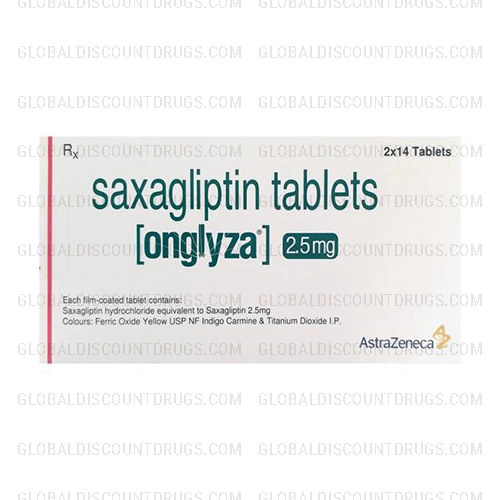
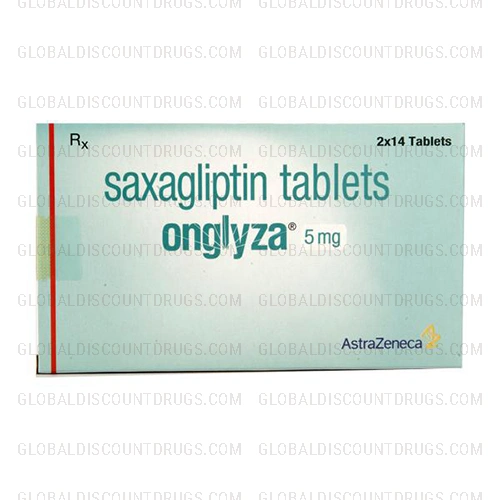
Saxagliptin
In StockSaxagliptin is a prescription medicine used to help manage type 2 diabetes mellitus by improving blood glucose control. It belongs to the dipeptidyl peptidase-4 (DPP-4) inhibitor class and works by increasing incretin hormone activity, which helps regulate insulin release and reduce glucose production. This action supports better blood sugar control. Use only as directed on the product label or by a healthcare professional.
$4.40 per pill
What is Saxagliptin?
Saxagliptin is a prescription medication used to help control blood sugar levels in adults with Type 2 diabetes. It belongs to a group of medicines called DPP-4 inhibitors (dipeptidyl peptidase-4 inhibitors), which help regulate glucose levels after meals.
Healthcare providers may prescribe Saxagliptin when lifestyle changes such as diet and exercise are not enough to maintain normal blood sugar levels.
Common Uses
Doctors commonly use Saxagliptin to:
Improve blood sugar control in adults with Type 2 diabetes
Support long-term diabetes management along with healthy lifestyle changes
Reduce the risk of complications related to uncontrolled blood glucose
This medication is typically used as part of a comprehensive diabetes management plan that includes diet, exercise, and routine monitoring.
Available Formulations and Strengths
Saxagliptin is generally available as oral tablets taken by mouth.
Common strengths include:
2.5 mg
5 mg
Exact formulations may vary depending on manufacturer and country.
What is the Recommended Dosage of Saxagliptin?
The appropriate dose of Saxagliptin depends on the individual patient’s medical condition and treatment response. A licensed healthcare provider determines the correct dosage.
Factors influencing dosage
Healthcare professionals may consider:
Current blood sugar levels
Severity of Type 2 diabetes
Kidney function
Patient age
Other diabetes medications being used
Dosage Form
Saxagliptin is typically supplied as oral tablets taken once daily.
Important dosing guidance
Tablets are usually taken once per day, with or without food, as directed by a physician.
Dose adjustments may be necessary for patients with kidney impairment.
Treatment should follow instructions from a licensed endocrinologist or primary care physician.
Patients should not change their dose or discontinue treatment without medical advice.
How Saxagliptin Works
Saxagliptin works by blocking the enzyme dipeptidyl peptidase-4 (DPP-4).
This enzyme normally breaks down hormones called incretins, which help control blood sugar after meals.
By inhibiting DPP-4, Saxagliptin helps:
Increase insulin release when blood sugar levels rise
Reduce glucose production in the liver
Improve blood sugar control after meals
These effects help regulate blood glucose levels in people with Type 2 diabetes. The medication helps manage the condition, but it does not cure diabetes.
Is a Prescription Required to Buy Saxagliptin Online?
Yes. Saxagliptin is a prescription-only medication.
Patients must obtain a prescription from a licensed healthcare professional, such as a:
Endocrinology specialist
Primary care physician managing diabetes treatment
Safe purchasing practices
Patients should:
Buy medicines only from licensed pharmacies
Avoid websites offering prescription medications without proper medical verification
Be cautious of counterfeit or unregulated products
Diabetes medications should only be used under professional medical supervision.
Side Effects of Saxagliptin
Like many medications, Saxagliptin may cause side effects. Most are mild, but some require medical attention.
Common Side Effects
Possible mild side effects include:
Headache
Nasal congestion or sore throat
Stomach discomfort
Mild swelling in the hands or feet
Upper respiratory symptoms
These symptoms are usually temporary and may improve as the body adjusts to treatment.
Serious Side Effects
Although uncommon, serious side effects may include:
Severe joint pain
Signs of Pancreatitis such as severe abdominal pain
Allergic reactions (rash, swelling, breathing difficulty)
Symptoms of heart failure such as shortness of breath or sudden weight gain
Immediate medical attention should be sought if severe symptoms occur.
Drug Interactions
Saxagliptin may interact with certain medications that affect blood sugar control or liver metabolism.
Common interaction categories
Other diabetes medications
Insulin
Sulfonylureas
Certain antibiotics or antifungal medicines
Medications affecting liver enzyme activity
Over-the-counter medicines and supplements
Patients should inform their healthcare provider about:
OTC medications
Herbal supplements
Vitamins
Nutritional or weight-loss supplements
Providing a complete medication list helps healthcare professionals identify potential interactions.
Safety & Important Considerations
Several health factors should be considered before starting Saxagliptin.
Kidney Function
Dose adjustments may be required for patients with kidney impairment, since the drug is partially cleared through the kidneys.
Heart Conditions
Some patients may have an increased risk of heart failure symptoms, which should be monitored by a healthcare provider.
Pregnancy and Breastfeeding
Patients who are pregnant, planning pregnancy, or breastfeeding should discuss treatment options with their healthcare provider.
Age-Related Considerations
Older adults may require careful monitoring of kidney function and blood glucose levels.
Monitoring Requirements
Healthcare providers may monitor:
Blood glucose levels
Kidney function
Symptoms related to pancreatic health
Regular follow-up visits are important for safe diabetes management.
Who This Medication Is For
Saxagliptin is typically prescribed for adults with Type 2 diabetes who need additional help controlling blood sugar.
It may be recommended when:
Diet and exercise alone are insufficient
Combination therapy with other diabetes medications is required
The patient needs improved post-meal glucose control
Treatment decisions depend on individual medical evaluation and metabolic health.
Who Should Not Take Saxagliptin
Certain individuals should avoid this medication unless advised otherwise by a healthcare provider.
Contraindications
Saxagliptin should generally not be used in patients who:
Have Type 1 diabetes
Have diabetic ketoacidosis
Have a known allergy to Saxagliptin
Precautions
Patients with the following conditions should discuss risks carefully with their doctor:
History of pancreatitis
Kidney disease
Heart failure
Severe infections or metabolic disorders
A healthcare professional should evaluate these risks before treatment begins.
What to Do If You Miss a Dose
If a dose of Saxagliptin is missed:
Take the missed dose as soon as it is remembered.
If the next scheduled dose is near, skip the missed dose.
Continue the normal dosing schedule.
Do not take two doses at the same time to compensate for a missed dose.
If multiple doses are missed or blood sugar levels change significantly, contact a healthcare professional.
Alternatives to Saxagliptin
Several other medications may help manage Type 2 diabetes, including:
Sitagliptin
Empagliflozin
Metformin
Semaglutide
Each medication works through different mechanisms to help regulate blood glucose.
Any treatment change should occur under supervision of a licensed healthcare professional.
Storage Instructions
To maintain medication quality:
Store Saxagliptin at room temperature.
Keep away from excess moisture and direct sunlight.
Store tablets in their original packaging when possible.
Keep out of reach of children and pets.
Unused or expired medication should be disposed of according to pharmacy guidance.
Disclaimer
Educational Notice
This page is provided for educational purposes only and is not intended to replace professional medical advice, diagnosis, or treatment.
Patients should consult a licensed endocrinologist or qualified healthcare professional before starting, changing, or stopping Saxagliptin therapy.
All treatment decisions must be based on a complete clinical evaluation and individualized medical assessment performed by a qualified specialist

$0.28 – $0.34 per pill

![Buy Glimepiride 4mg tablets[1] online](https://www.globaldiscountdrugs.com/wp-content/uploads/2024/07/Glimepiride-4mg-tablets1-1-400x400.webp)
$0.50 – $0.61 per pill
$10.52 – $12.86 per pill


$1.75 – $2.75 per pill


