
No products in the cart.
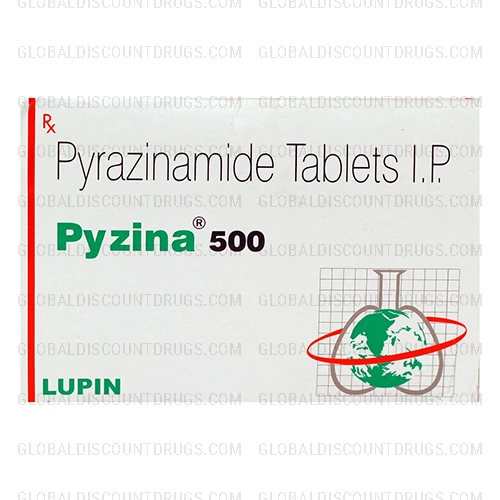

Pyrazinamide
In StockPyrazinamide is a prescription medicine used to help treat tuberculosis, an infection caused by Mycobacterium tuberculosis. It belongs to the antimycobacterial class and works by disrupting the energy production and cellular functions of tuberculosis bacteria, helping reduce bacterial survival in the body. Pyrazinamide is commonly used as part of combination therapy. Use as directed on the product label or by a healthcare professional.
$0.51 per pill
What is Pyrazinamide
Pyrazinamide is an antibiotic medicine used as part of combination therapy for tuberculosis TB. It belongs to a group of medicines known as antimycobacterial agents.
It is typically prescribed together with other TB medicines such as isoniazid, rifampicin, and ethambutol to help control the infection and reduce treatment duration.
Approved and common uses
Treatment of active tuberculosis
Part of first line TB treatment regimens
Occasionally used in drug resistant TB protocols under specialist supervision
Available formulations and strengths
Oral tablets most common
Dispersible tablets in some regions
Strengths may vary by manufacturer for example 250 mg, 500 mg
Pyrazinamide is not usually available as an injection or topical form.
What is the Recommended Dosage of Pyrazinamide
The dosage of pyrazinamide is individualized and may vary depending on
The type and severity of tuberculosis
Age
Body weight weight based dosing is common
Liver function
Kidney function
Treatment regimen used with other TB medicines
Available dosage forms
Oral tablets
Dispersible tablets for easier administration
Dosing schedules are determined by a tuberculosis specialist or infectious disease specialist. Patients should follow the prescribed treatment plan closely and avoid adjusting doses without medical guidance.
How Pyrazinamide Works
Pyrazinamide works by targeting the bacteria that cause tuberculosis Mycobacterium tuberculosis.
Inside the body, the medicine is converted into an active form that disrupts the bacteria’s ability to survive in acidic environments, such as inside infected immune cells. This helps kill bacteria that other TB medicines may not fully eliminate.
Pyrazinamide helps control and clear the infection when used with other TB drugs. It is not typically used alone because combination therapy prevents resistance and improves outcomes.
Is a Prescription Required to Buy Pyrazinamide Online
Pyrazinamide is a prescription only medication.
Patients should consult a licensed infectious disease specialist, pulmonologist, or tuberculosis treatment provider before starting therapy.
Important precautions
TB treatment requires medical monitoring
Using incomplete or incorrect regimens can lead to drug resistance
Counterfeit TB medicines are a known global risk
Veterinary or non regulated products should not be used
Medication should be obtained only from licensed pharmacies and approved TB programs.
Side Effects of Pyrazinamide
Common side effects
Nausea
Loss of appetite
Mild stomach discomfort
Joint pain
Fatigue
Rash
Serious side effects
Liver injury yellowing of skin or eyes, dark urine, severe fatigue
Severe joint pain or gout flare
Persistent vomiting
Severe skin reactions
Unusual bleeding or bruising
Immediate medical attention is required if signs of liver problems, severe allergic reaction, or worsening symptoms occur.
Drug Interactions
Pyrazinamide can interact with several medications and substances.
Major interaction categories
Other TB medicines
Liver affecting drugs
Gout medications
Certain antiretroviral therapies
Alcohol
Other considerations
Over the counter pain relievers
Herbal supplements
Vitamin products
Patients should provide a complete medication and supplement list to their licensed medical specialist before treatment.
Safety and Important Considerations
Important safety issues include
Liver precautions
Regular liver function monitoring is common
Higher risk in people with existing liver disease
Alcohol use increases risk
Kidney considerations
Dose adjustments may be needed
Pregnancy and breastfeeding
Use requires specialist risk benefit evaluation
TB treatment is often necessary during pregnancy but must be supervised
Age related considerations
Children often receive weight based dosing
Older adults may require closer monitoring
Monitoring requirements
Blood tests
Symptom tracking
Adherence monitoring
Who This Medication Is For
Pyrazinamide is typically prescribed for
People diagnosed with active tuberculosis
Patients starting first line TB treatment
Individuals with drug resistant TB under specialist care
Children and adults requiring combination TB therapy
Treatment decisions are based on diagnostic testing and clinical evaluation.
Who Should Not Take Pyrazinamide
Pyrazinamide may not be appropriate for people with
Severe liver disease
Previous serious reaction to the medicine
Acute gout not controlled
Significant intolerance to TB regimens
Precautions are required in patients with
Chronic liver conditions
Kidney disease
Diabetes
Alcohol use disorder
Specialist evaluation is necessary before starting therapy.
What to Do If You Miss a Dose
If a dose is missed
Take it as soon as remembered if it is not close to the next dose
Skip the missed dose if the next dose is near
Do not double doses
Because TB treatment requires strict adherence, patients should contact their treatment provider if multiple doses are missed.
Alternatives to Pyrazinamide
Alternative or companion medicines within TB therapy include
Second line TB drugs for resistant cases
Treatment changes must be guided by a tuberculosis specialist. Substitutions are based on resistance patterns, tolerance, and clinical response.
Storage Instructions
Store at room temperature
Keep away from moisture and direct sunlight
Keep tablets in original packaging when possible
Store out of reach of children and pets
Do not use expired medication
Avoid storing in bathrooms or humid environments.
Disclaimer:
This page is for educational purposes only. It is not a substitute for professional medical advice, diagnosis, or treatment. Patients must consult a licensed infectious disease specialist, pulmonologist, or tuberculosis treatment provider before starting, changing, or stopping treatment. Treatment decisions must be based on a full clinical evaluation by a qualified specialist.


$0.95 – $1.16 per pill


$0.33 – $0.40 per pill


$0.61 – $0.75 per pill


$0.48 – $0.59 per pill


