
No products in the cart.


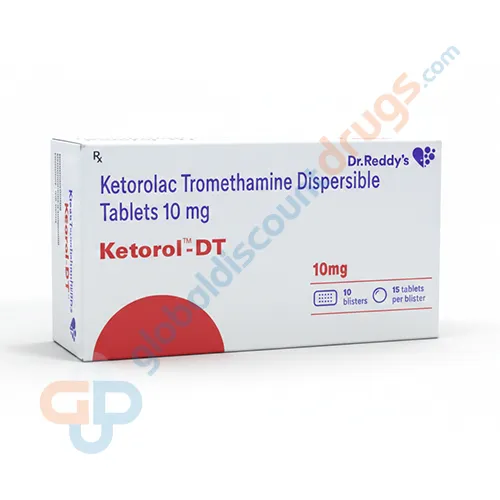
Ketorolac-Tromethamine
In StockKetorolac Tromethamine is a prescription medicine used for the short-term management of moderate to severe pain, often following surgery or injury. It belongs to the nonsteroidal anti-inflammatory drug (NSAID) class and works by blocking prostaglandin production, substances that cause pain and inflammation in the body. This action helps reduce pain and swelling. Use only as directed on the product label or by a healthcare professional.
$0.63 per pill
What is Ketorolac Tromethamine?
Ketorolac tromethamine is a prescription medication used for the short-term treatment of moderate to severe pain. It belongs to a class of medicines called nonsteroidal anti-inflammatory drugs (NSAIDs).
Healthcare professionals often prescribe ketorolac for pain that requires stronger relief than common over-the-counter pain medicines.
Common medical uses include:
Post-surgical pain relief
Acute musculoskeletal pain
Dental pain
Pain after injury or trauma
Certain inflammatory conditions
Ketorolac tromethamine may be available in several formulations depending on the region and manufacturer, including:
Oral tablets
Injectable solutions (intravenous or intramuscular)
Ophthalmic solutions (eye drops) used after eye surgery
This medication is generally intended for short-term use only, usually for a limited number of days under medical supervision.
What is the Recommended Dosage of Ketorolac Tromethamine?
The appropriate dosage of ketorolac tromethamine must be determined by a qualified healthcare professional.
Dosage varies depending on several factors, including:
Type and severity of pain
Age of the patient
Kidney function
Body weight
Other medications being taken
Available dosage forms may include:
Oral tablets
Injectable formulations used in hospitals or clinics
Ophthalmic drops for eye-related conditions
Ketorolac treatment is usually limited to short durations, often no more than several days, because prolonged use increases the risk of serious side effects.
Patients should follow the instructions provided by their healthcare professional and should not extend treatment without medical guidance.
How Ketorolac Tromethamine Works
Ketorolac tromethamine works by blocking the production of substances in the body called prostaglandins.
Prostaglandins are chemicals released during injury or inflammation. They contribute to:
Pain
Swelling
Fever
By reducing prostaglandin production, ketorolac helps decrease inflammation and pain signals in the body.
The medication can provide significant pain relief but does not treat the underlying cause of pain. Instead, it helps manage symptoms while the body heals or while other treatments address the underlying condition.
Is a Prescription Required to Buy Ketorolac Tromethamine Online?
In most countries, ketorolac tromethamine is classified as a prescription-only medication.
Patients should consult a licensed healthcare professional before using this medication. Specialists who may prescribe ketorolac include:
Orthopedic specialists
Dentists
General physicians
Surgeons
Medical supervision is important because ketorolac has specific safety limits related to treatment duration and dosing.
When purchasing medications online, patients should ensure that the pharmacy:
Is properly licensed and regulated
Requires a valid prescription when applicable
Dispenses authentic pharmaceutical products
Counterfeit medications may contain unsafe ingredients or incorrect dosages.
Side Effects of Ketorolac Tromethamine
Like all medications, ketorolac tromethamine may cause side effects.
Common Side Effects
Common mild side effects may include:
Stomach discomfort
Nausea
Headache
Drowsiness
Dizziness
Indigestion
These symptoms are often temporary and may improve as the body adjusts to the medication.
Serious Side Effects
Rare but serious side effects may include:
Stomach or intestinal bleeding
Severe abdominal pain
Kidney problems
Chest pain or cardiovascular events
Allergic reactions such as swelling or rash
Patients should seek immediate medical attention if they experience symptoms such as severe stomach pain, vomiting blood, black stools, or difficulty breathing.
Drug Interactions
Ketorolac tromethamine may interact with several medications.
Important interaction categories include:
Other NSAIDs
Blood-thinning medications
Corticosteroids
Certain blood pressure medications
Antidepressants affecting platelet function
Taking ketorolac with other NSAIDs may increase the risk of stomach bleeding.
Patients should inform their healthcare provider about all medications they take, including:
Prescription medicines
Over-the-counter pain relievers
Herbal supplements
Vitamins
Providing a complete medication list helps reduce the risk of harmful interactions.
Safety & Important Considerations
Several safety precautions should be considered before using ketorolac tromethamine.
Gastrointestinal risk:
NSAIDs may increase the risk of stomach ulcers and gastrointestinal bleeding, particularly with prolonged use.
Kidney function:
Patients with kidney disease may require special monitoring or alternative treatment.
Cardiovascular risk:
Some individuals may have an increased risk of heart-related complications when using NSAIDs.
Pregnancy considerations:
Use during pregnancy, especially in later stages, should be evaluated carefully by a healthcare professional.
Age considerations:
Older adults may be more sensitive to NSAID side effects.
Patients using ketorolac may require monitoring for symptoms such as stomach discomfort, bleeding, or kidney function changes.
Who This Medication Is For
Ketorolac tromethamine may be prescribed for individuals who require short-term treatment of moderate to severe pain.
Typical patients include those experiencing:
Postoperative pain
Acute injuries
Severe dental pain
Short-term inflammatory pain conditions
Healthcare professionals typically use ketorolac when stronger pain control is needed but for limited duration only.
Who Should Not Take Ketorolac Tromethamine
Certain individuals should avoid ketorolac tromethamine unless specifically advised by a healthcare professional.
Contraindications may include:
Allergy to ketorolac or other NSAIDs
History of severe stomach ulcers or gastrointestinal bleeding
Advanced kidney disease
Recent coronary artery bypass surgery
Precautions may also apply to individuals with:
Bleeding disorders
Severe dehydration
Cardiovascular disease
A healthcare professional should evaluate whether ketorolac is appropriate.
What to Do If You Miss a Dose
For scheduled doses:
Take the missed dose as soon as remembered
Skip the missed dose if the next dose is close
Do not take two doses at the same time
Because ketorolac treatment is often short-term, patients should follow the specific dosing schedule provided by their healthcare provider.
If uncertain about dosing, patients should consult their healthcare professional.
Alternatives to Ketorolac Tromethamine
Other medications used for pain relief may be considered depending on the type and severity of pain.
Examples include:
Ibuprofen
Diclofenac
Naproxen
Acetaminophen
The appropriate alternative depends on the patient’s medical condition and pain severity. Treatment decisions should be made by a licensed healthcare professional.
Storage Instructions
Proper storage helps maintain medication quality.
General storage recommendations include:
Store at room temperature
Protect from moisture and excessive heat
Keep the medication in its original packaging
Avoid exposure to direct sunlight
For safety:
Keep medications out of reach of children and pets
Do not use medication after the expiration date
Consult a pharmacist if specific storage instructions are provided by the manufacturer.
Disclaimer
This page is for educational purposes only. It is not a substitute for professional medical advice, diagnosis, or treatment.
Patients must consult a licensed physician, orthopedic specialist, dentist, or other qualified healthcare professional before starting, changing, or stopping treatment with ketorolac tromethamine.
Treatment decisions must always be based on a full clinical evaluation conducted by a qualified specialist.


$0.37 – $0.45 per pill


$28.12 – $34.36 per pill


$1.61 – $1.97 per pill


$0.26 – $0.41 per pill


