
No products in the cart.

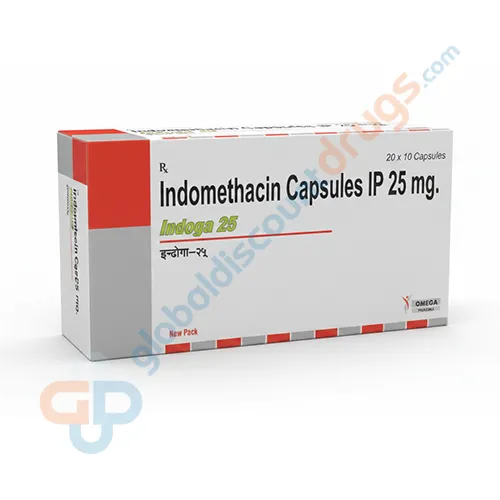
Indomethacin
In StockIndomethacin is a prescription medicine used to relieve pain, inflammation, and swelling associated with conditions such as arthritis, gout, and certain musculoskeletal disorders. It belongs to the nonsteroidal anti-inflammatory drug (NSAID) class and works by blocking substances in the body that trigger inflammation and pain signals. This action helps improve comfort and joint mobility. Use as directed on the product label or by a healthcare professional.
$0.41 per pill
What is Indomethacin?
**Indomethacin** is a nonsteroidal anti-inflammatory drug (NSAID). It helps reduce pain, swelling, and inflammation in the body.
It is commonly prescribed for:
* Rheumatoid arthritis
* Osteoarthritis
* Ankylosing spondylitis
* Acute gout attacks
* Shoulder bursitis or tendonitis
* Certain types of moderate to severe pain
Indomethacin is available in several forms:
* Oral capsules
* Extended-release capsules
* Oral suspension (liquid)
* Rectal suppositories
It is not a steroid and not an opioid. It works by reducing inflammation but does not cure chronic joint diseases.
What is the Recommended Dosage of Indomethacin?
The correct dose depends on:
* The condition being treated
* The severity of symptoms
* Age
* Kidney and liver function
* Overall health
Available dosage forms include:
* Immediate-release capsules
* Extended-release capsules
* Oral liquid suspension
* Rectal suppositories
Dosing must follow the instructions of a licensed medical specialist. Higher doses or long-term use increase the risk of serious side effects. Patients should use the lowest effective dose for the shortest duration needed.
Do not change the dose without medical guidance.
How Indomethacin Works
Indomethacin blocks enzymes called COX-1 and COX-2. These enzymes help the body produce prostaglandins, which cause:
* Pain
* Swelling
* Fever
* Inflammation
By lowering prostaglandin levels, indomethacin reduces inflammation and discomfort.
It helps control symptoms but does not stop the progression of underlying diseases such as arthritis.
Is a Prescription Required to Buy Indomethacin Online?
Yes. Indomethacin is a prescription-only medication in most countries.
Because it carries risks such as stomach bleeding and heart complications, it must be prescribed by a licensed medical specialist, such as:
* A rheumatologist
* An orthopedic specialist
* A general physician
Patients should:
* Avoid websites that do not require a prescription
* Avoid unverified international pharmacies
* Avoid veterinary-labeled products
Purchase only from licensed pharmacies to reduce the risk of counterfeit or unsafe products.
Side Effects of Indomethacin
Common Side Effects
These are usually mild:
* Stomach pain
* Nausea
* Heartburn
* Headache
* Dizziness
* Diarrhea
Taking the medication with food may reduce stomach discomfort.
Serious Side Effects
Serious risks may include:
* Stomach or intestinal bleeding
* Ulcers
* Heart attack or stroke
* Kidney damage
* High blood pressure
* Severe allergic reactions
Seek immediate medical attention if you experience:
* Chest pain
* Shortness of breath
* Black or bloody stools
* Vomiting blood
* Sudden weakness or slurred speech
Long-term use increases these risks.
Drug Interactions
Indomethacin can interact with many medications.
Major interaction categories include:
* Blood thinners (e.g., warfarin)
* Other NSAIDs
* Aspirin
* Corticosteroids
* Blood pressure medications
* Diuretics
* Lithium
* Methotrexate
Over-the-counter medications such as ibuprofen or naproxen should not be combined without medical advice.
Patients must provide a complete list of:
* Prescription medications
* OTC drugs
* Herbal supplements
* Vitamins
This helps reduce the risk of harmful interactions.
Safety & Important Considerations
Heart Risk
NSAIDs may increase the risk of heart attack and stroke, especially with long-term use or high doses.
Stomach and Intestinal Risk
Indomethacin can cause ulcers and bleeding, sometimes without warning.
Kidney and Liver Disease
Patients with kidney or liver problems require careful monitoring.
Pregnancy
Indomethacin should generally be avoided in the third trimester of pregnancy. It may harm the unborn baby.
Breastfeeding
Discuss risks with a healthcare provider before use.
Elderly Patients
Older adults are at higher risk for bleeding, kidney injury, and heart complications.
Monitoring may include:
* Blood pressure checks
* Kidney function tests
* Blood tests if long-term use is required
Who This Medication Is For
Indomethacin is typically prescribed for:
* Adults with inflammatory joint conditions
* Patients experiencing acute gout flares
* Individuals with moderate to severe inflammatory pain
It is used when inflammation plays a major role in symptoms.
Who Should Not Take Indomethacin
This medication may not be suitable for:
* People with a history of NSAID-related allergic reactions
* Patients with active stomach ulcers or bleeding
* Individuals with recent heart attack or stroke
* Patients with severe kidney disease
* People undergoing certain heart surgeries
Always inform your medical specialist about your full medical history before starting treatment.
What to Do If You Miss a Dose
If you miss a dose:
* Take it as soon as you remember
* If it is close to your next dose, skip the missed dose
* Do not double the dose
If you are unsure, contact your healthcare provider for guidance.
Alternatives to Indomethacin
Other NSAIDs include:
* Naproxen
* Ibuprofen
* Diclofenac
* Meloxicam
Non-NSAID alternatives may include:
* Acetaminophen (for pain relief without inflammation control)
* Corticosteroids
* Disease-modifying antirheumatic drugs (DMARDs) for autoimmune conditions
Switching medications should only occur after consultation with a licensed medical specialist.
Storage Instructions
* Store at room temperature
* Protect from moisture and excessive heat
* Keep in original container
* Keep out of reach of children
Do not use expired medication.
Disclaimer:
**This page is for educational purposes only.**
It is not a substitute for professional medical advice, diagnosis, or treatment.
Patients must consult a licensed rheumatologist, orthopedic specialist, or primary care physician before starting, changing, or stopping indomethacin. Treatment decisions must be based on a full clinical evaluation by a qualified specialist.
$0.56 – $0.69 per pill


$1.89 – $2.31 per pill


$10.98 – $13.42 per pill


$7.56 – $9.24 per pill


