
No products in the cart.
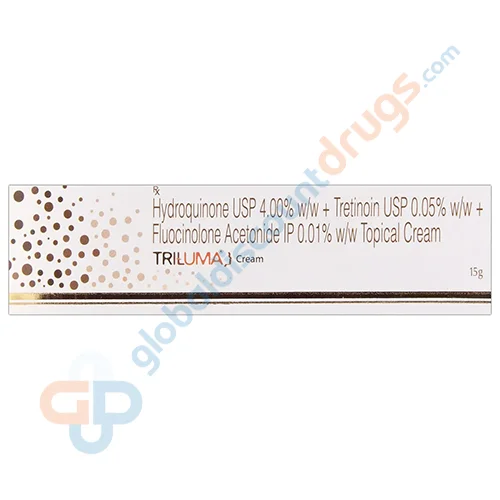
Hydroquinone-Tretinoin-Fluocinolone acetonide
In StockHydroquinone-Tretinoin-Fluocinolone Acetonide is a prescription medicine used to treat hyperpigmentation and melasma. It combines hydroquinone to lighten dark spots, tretinoin to promote skin cell turnover, and fluocinolone acetonide to reduce inflammation. This combination helps improve skin tone and texture. Use only as directed on the product label or by a healthcare professional.
$35.10 per pill
What is Hydroquinone-Tretinoin-Fluocinolone Acetonide?
The combination of Hydroquinone, Tretinoin, and Fluocinolone acetonide is a prescription topical treatment used for certain skin pigmentation disorders, particularly melasma. Melasma is a condition that causes dark patches or uneven pigmentation, commonly on the face.
This medication combines three active ingredients that work together to improve skin tone and reduce discoloration:
Hydroquinone reduces the production of melanin (skin pigment).
Tretinoin helps increase skin cell turnover and improves penetration of other ingredients.
Fluocinolone acetonide is a mild corticosteroid that reduces inflammation and skin irritation.
Healthcare professionals commonly prescribe this combination for:
Melasma
Persistent facial hyperpigmentation
Certain cases of uneven skin tone under medical supervision
The medication is typically available as:
Topical cream
Treatment is usually part of a broader dermatologic care plan.
What is the Recommended Dosage of Hydroquinone-Tretinoin-Fluocinolone Acetonide?
The appropriate use of this combination cream should be determined by a licensed dermatologist or healthcare professional.
Treatment instructions may vary depending on:
The severity of melasma
Skin sensitivity
Patient age
Duration of treatment
Other skin products being used
Typical treatment involves:
Applying a thin layer of cream to the affected skin area
Usually applied once daily, often in the evening
The cream should be used only on the areas affected by pigmentation.
Because prolonged or incorrect use may cause skin irritation or other complications, treatment must follow specialist instructions carefully. Patients should not use the product more frequently or for longer than recommended.
How Hydroquinone-Tretinoin-Fluocinolone Acetonide Works
This combination works through three complementary mechanisms.
Hydroquinone reduces melanin production by blocking an enzyme involved in pigment formation. This helps lighten dark patches over time.
Tretinoin promotes faster turnover of skin cells. This process helps remove pigmented skin cells and allows newer skin to appear.
Fluocinolone acetonide reduces inflammation and irritation that can occur during treatment.
Together, these ingredients help:
Reduce dark spots
Improve skin tone uniformity
Support gradual fading of melasma patches
The medication helps manage pigmentation disorders but does not permanently cure melasma, which can recur with sun exposure or hormonal changes.
Is a Prescription Required to Buy Hydroquinone-Tretinoin-Fluocinolone Acetonide Online?
Yes. In many countries, this combination cream is available only with a prescription.
Skin discoloration may have multiple causes, including hormonal changes, sun exposure, medications, or underlying skin conditions. Proper diagnosis is important before starting treatment.
Patients should consult healthcare professionals such as:
Dermatologists
Primary care physicians with dermatology experience
Medication should only be obtained from licensed pharmacies. Counterfeit topical medications may contain unsafe ingredients or incorrect concentrations.
Side Effects of Hydroquinone-Tretinoin-Fluocinolone Acetonide
Like other topical medications, this cream may cause side effects, particularly during the early stages of treatment.
Common Side Effects
Patients may experience:
Mild redness
Skin dryness
Peeling or flaking
Burning or stinging sensation
Increased sensitivity to sunlight
These effects often improve as the skin adjusts to treatment.
Serious Side Effects
Although uncommon, more serious reactions may occur:
Severe skin irritation
Skin thinning with prolonged use
Allergic reactions
Blue-black skin discoloration (rare condition called ochronosis)
Patients should seek medical advice if severe irritation or unusual skin changes occur.
Drug Interactions
Topical medications can interact with other skincare products or treatments.
Important interaction considerations include:
Other topical treatments
Using additional retinoids, exfoliants, or strong acids may increase skin irritation.
Cosmetic products
Certain cosmetic or skincare products may affect skin sensitivity during treatment.
Herbal and natural skin remedies
Some plant-based products may irritate the skin when used together with prescription treatments.
Patients should inform their healthcare professional about all skincare products, medications, and supplements they are using.
Safety & Important Considerations
Several precautions should be considered when using this medication.
Sun Protection
Exposure to sunlight may worsen melasma and increase skin irritation during treatment. Sunscreen and protective clothing are often recommended.
Skin Sensitivity
The medication may increase sensitivity to sunlight and environmental factors.
Pregnancy and Breastfeeding
Use during pregnancy or breastfeeding should occur only after consultation with a healthcare professional.
Long-Term Use
Prolonged use of corticosteroids or hydroquinone without medical supervision may lead to skin complications.
Regular dermatologic follow-up helps ensure safe treatment.
Who This Medication Is For
This combination medication is typically prescribed for patients who:
Have melasma diagnosed by a dermatologist
Experience persistent facial hyperpigmentation
Require medically supervised treatment for uneven skin pigmentation
Treatment is usually recommended when other approaches such as sun protection alone are insufficient.
Who Should Not Take Hydroquinone-Tretinoin-Fluocinolone Acetonide
This medication may not be appropriate for everyone.
It may be avoided in individuals who:
Have allergy to any of the ingredients
Have certain skin infections or open wounds
Have highly sensitive or severely inflamed skin
Are using incompatible topical medications without medical guidance
A dermatologist will evaluate the patient’s skin condition before prescribing treatment.
What to Do If You Miss a Dose
If a dose of the cream is missed:
Apply the medication when you remember
If it is close to the next scheduled application, skip the missed dose
Continue with the regular treatment schedule
Do not apply extra cream to compensate for the missed dose, as this may increase skin irritation.
Patients unsure about dosing should consult their healthcare professional.
Alternatives to Hydroquinone-Tretinoin-Fluocinolone Acetonide
Other treatments may be used for hyperpigmentation depending on the cause and severity.
Examples include:
Azelaic acid
Kojic acid
Dermatologic procedures such as chemical peels or laser therapy
Treatment choices should be determined by a dermatologist based on individual skin characteristics.
Storage Instructions
To maintain medication quality:
Store at room temperature
Protect from heat, moisture, and direct sunlight
Keep the container tightly closed
Do not freeze the medication
Keep out of reach of children
Follow storage instructions provided on the prescription label or packaging.
Disclaimer:
This page is for educational purposes only.
It is not a substitute for professional medical advice, diagnosis, or treatment. Patients must consult a licensed dermatologist or qualified healthcare professional before starting, changing, or stopping treatment.
Treatment decisions must be based on a full clinical evaluation by a qualified medical specialist.
$22.49 – $27.49 per pill


$10.31 – $12.60 per pill


$14.51 – $17.73 per pill


$32.44 – $39.65 per pill


