
No products in the cart.
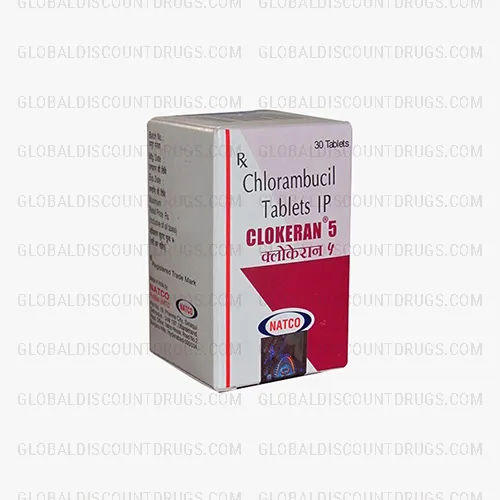
Chlorambucil
In StockChlorambucil is a classic alkylating agent used in the treatment of various cancers, most notably chronic lymphocytic leukemia (CLL) and certain lymphomas. It works by interfering with DNA replication and transcription, directly leading to the death of rapidly dividing cancer cells. This compound is one of the oldest and gentler oral chemotherapy agents, favored for its palliative and remission-inducing properties in hematologic malignancies. Chlorambucil is a foundational drug in specialized cancer management.
$3.00 per pill
What is Chlorambucil?
Chlorambucil is a prescription chemotherapy medicine used for treating certain blood-related cancers. Doctors recommend it when the body develops abnormal white blood cells that grow too fast or multiply uncontrollably. It belongs to the alkylating agent family, known for slowing cancer cell growth and helping control the spread of disease. This parent guide explains its uses, how it works, dosage instructions, safety tips, and precautions to help patients understand the treatment clearly.
Chlorambucil used for
Chlorambucil is mainly prescribed for:
-
Chronic lymphocytic leukemia (CLL)
-
Hodgkin’s lymphoma
-
Non-Hodgkin’s lymphoma
-
Waldenström’s macroglobulinemia
-
Other rare blood cancers as determined by the oncologist
It helps reduce cancer cell counts, manages symptoms, and improves long-term treatment outcomes.
Chemical composition
Chlorambucil contains the active ingredient Chlorambucil, an aromatic nitrogen mustard derivative. It is available as oral tablets, formulated with inactive ingredients such as lactose monohydrate, starch, and magnesium stearate (may vary by manufacturer). The medicine is designed for controlled absorption through the digestive system.
Chlorambucil Mechanism
Chlorambucil works by binding to the DNA strands of cancer cells. This action interferes with their ability to divide and multiply. As an alkylating agent, it damages cancer cell DNA during the replication phase, leading to slower tumor growth and eventual destruction of malignant cells. Since cancer cells divide faster than normal cells, the medicine targets them more effectively.
How it helps manage blood cancers
Chlorambucil helps reduce high lymphocyte counts, shrink enlarged lymph nodes, and ease symptoms like fatigue, night sweats, and abdominal discomfort caused by swollen organs. By slowing cancer progression, it allows patients to maintain better quality of life and respond more effectively to long-term cancer care plans.
Other benefits
-
Can be used alone or with other cancer therapies
-
Oral tablets make treatment more comfortable compared to injectable chemotherapy
-
Helps control symptoms and delays disease progression
-
Often recommended when patients cannot tolerate stronger chemotherapy
-
Provides predictable dosing with monitored response
Dosages
Chlorambucil is a powerful medicine, and dosage must be customized by an oncologist. Doses depend on body weight, kidney function, cancer severity, and treatment response.
Available strengths or dosage
Chlorambucil is typically available in:
-
Chlorambucil 2 mg Tablets
Treatment regimens vary:
-
Daily low-dose therapy
-
Short cycles with breaks
-
Combined therapy plans depending on cancer type
Only a cancer specialist should decide the strength and schedule.
How and when to take it
-
Take the tablet by mouth with water.
-
It can be taken with or without food unless your doctor advises otherwise.
-
Take it at the same time each day to maintain consistent levels.
-
Do not crush or split the tablet unless advised by a healthcare professional.
-
Keep regular blood tests as your doctor monitors white blood cells, platelets, and liver function during therapy.
If you miss a dose, take it as soon as you remember—unless it is close to your next dose. Do not double doses.
Overdose caution
Overuse or accidental overdose can cause:
-
Severe nausea
-
Unusual bleeding or bruising
-
Fever or infection
-
Extreme fatigue
-
Bone marrow suppression
If an overdose is suspected, seek emergency medical care immediately. This medicine must be stored safely and kept out of children’s reach.
Who can use/take Chlorambucil?
Chlorambucil is recommended for adults diagnosed with specific blood cancers. Older adults may require adjusted doses due to slower organ function.
Not suitable for:
-
Pregnant women (risk of harm to unborn baby)
-
Breastfeeding mothers
-
Patients with severe bone marrow suppression
-
People allergic to alkylating chemotherapy agents
-
Individuals with active infections unless treated
Your doctor will evaluate kidney and liver function before starting the treatment.
Side Effects & Precautions
What are the side effects?
Common side effects may include:
-
Nausea or vomiting
-
Mouth sores
-
Low white blood cell or platelet counts
-
Tiredness
-
Skin rash
-
Hair thinning
Serious but less common side effects:
-
Severe infections
-
Liver problems
-
Seizures
-
Allergic reactions
-
Infertility concerns with long-term use
Contact your doctor if any severe or long-lasting symptoms appear.
Precautions to avoid side effects
-
Attend all scheduled blood tests to monitor treatment safety.
-
Avoid large crowds or sick individuals due to lowered immunity.
-
Do not receive live vaccines during therapy.
-
Limit alcohol to reduce liver strain.
-
Use reliable birth control during treatment; Chlorambucil may harm an unborn baby.
-
Inform your doctor about any other medicines or supplements you are taking.
Patients should never adjust their dose without professional guidance.
Always consult your oncologist before starting treatment. If prescribed, you can order Chlorambucil tablets safely online from trusted pharmacy sources and ensure timely refills to maintain your treatment progress.


$20.06 – $24.52 per pill


$3.30 – $4.04 per pill


$0.66 – $0.81 per pill


$1.52 – $1.86 per pill


