Chlorambucil
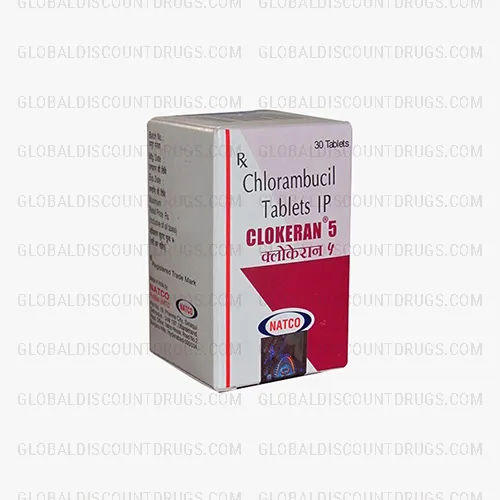
In StockChlorambucil is a classic alkylating agent used in the treatment of various cancers, most notably chronic lymphocytic leukemia (CLL) and certain lymphomas. It works by interfering with DNA replication and transcription, directly leading to the death of rapidly dividing cancer cells. This compound is one of the oldest and gentler oral chemotherapy agents, favored for its palliative and remission-inducing properties in hematologic malignancies. Chlorambucil is a foundational drug in specialized cancer management.

What Is Chlorambucil?
Chlorambucil is a prescription chemotherapy medicine that belongs to a drug class called alkylating agents. It is related to nitrogen mustard medicines. It is taken by mouth and is sold under the brand name Leukeran. Generic versions may also be available.
Approved Uses
In the United States, chlorambucil is FDA-approved to treat certain blood and lymph system cancers, including:
- Chronic lymphocytic leukemia (CLL)
- Certain non-Hodgkin lymphomas, such as lymphosarcoma and giant follicular lymphoma
- Hodgkin lymphoma
The FDA labeling notes that chlorambucil is not curative in these conditions. It helps control the disease and its symptoms.
Other Prescribed Uses
Specialists sometimes prescribe chlorambucil for other conditions that are not listed on the FDA label, such as Waldenström macroglobulinemia or certain kidney disorders in children (nephrotic syndrome). These decisions are individual and are made by an experienced specialist. This guide does not recommend use for any condition that is not FDA-approved.
Available Formulations and Strengths
- Oral tablets: Chlorambucil 5mg
There is no approved cream, injection, or liquid form in the United States.
What Is the Recommended Dosage of Chlorambucil?
There is no single dose that fits everyone. Your specialist decides the dose and length of treatment based on:
- The condition being treated and how far it has progressed
- Body weight, which is commonly used for dosing
- Blood counts, which are checked often and guide dose changes
- Age and overall health
- Liver and kidney function
- Prior treatments, including chemotherapy and radiation
- Other medicines being taken
Available Dosage Forms
Chlorambucil comes only as a tablet. It is usually taken by mouth once a day, though schedules can vary. Some treatment plans use daily dosing for several weeks, and others use short courses with rest periods. Swallow tablets whole unless your specialist or pharmacist tells you otherwise.
Follow Your Specialist’s Instructions
Doses may be lowered, delayed, or stopped based on blood test results and side effects. Take chlorambucil exactly as prescribed. Do not change the dose or stop the medicine on your own.
How Chlorambucil Works
Chlorambucil works by attaching chemical groups to DNA inside cells. This damages the DNA and stops cells from dividing and growing. Cancer cells that divide quickly are more affected. Healthy fast-growing cells, such as blood-forming cells in the bone marrow, can also be affected, which explains many of the side effects.
Chlorambucil is used to control or manage certain blood cancers. It does not cure these conditions. It may be used alone or as part of a treatment plan with other medicines.
Is a Prescription Required to Buy Chlorambucil Online?
Yes. Chlorambucil is a prescription-only medicine. It should be started and monitored by a licensed medical specialist, such as:
- An oncologist or a hematologist (blood specialist)
Buying Medicine Safely
- Use only licensed pharmacies that require a valid prescription.
- Be cautious of websites that sell chlorambucil without a prescription. Products from these sources may be counterfeit, expired, contaminated, or the wrong strength.
- Do not use veterinary products or products from unverified sellers.
- If you are unsure whether a pharmacy is legitimate, ask your specialist, your local pharmacist, or your country’s pharmacy regulator.
Side Effects of Chlorambucil
Not everyone has side effects. Regular blood tests help your care team catch problems early. Tell them about any new symptoms.
Common Side Effects
- Low blood cell counts (often found on blood tests)
- Nausea or vomiting
- Diarrhea
- Mouth sores
- Loss of appetite
- Tiredness or weakness
- Skin rash
- Missed or stopped menstrual periods
- Lower sperm counts
Serious Side Effects
- Severe drops in blood cell counts (bone marrow suppression): This can cause serious infections, bleeding, or severe tiredness and paleness. It can continue or appear even after treatment stops.
- Increased risk of other cancers, including leukemia, with long-term use
- Infertility, which may be permanent
- Seizures, especially in children with kidney disease (nephrotic syndrome) or at high doses
- Serious skin reactions, such as Stevens-Johnson syndrome or toxic epidermal necrolysis
- Severe allergic reactions
- Liver problems
- Lung problems, such as pulmonary fibrosis (scarring), which is rare
- Nerve problems, such as numbness or tingling, which are rare
- Harm to an unborn baby
When to Get Medical Help Right Away
Contact your specialist or seek emergency care if you have:
- Fever, chills, or signs of infection
- Unusual bleeding or bruising, or black stools
- Seizure or convulsion
- A widespread rash, blistering, or peeling skin
- Swelling of the face, lips, or throat, or trouble breathing
- Yellow skin or eyes, or dark urine
- A new cough or shortness of breath that does not go away
- Severe vomiting or diarrhea that will not stop
- A positive pregnancy test or possible pregnancy
Drug Interactions
Chlorambucil can interact with other medicines and treatments.
Major Interaction Categories
- Other medicines and treatments that lower blood counts: This includes other chemotherapy, some immune-suppressing medicines, and radiation. Combined use can raise the risk of severe low blood counts.
- Other alkylating agents: Using more than one may increase toxicity.
- Live vaccines: These are generally avoided during treatment because the immune system may be weakened. Ask your specialist before any vaccination.
- Medicines that can lower the seizure threshold: Use with caution, because chlorambucil can cause seizures in some people.
- Medicines that affect the liver or bone marrow: These may need extra monitoring.
Over-the-Counter Medicines
Ask a pharmacist or specialist before using OTC products, including pain relievers such as aspirin and ibuprofen, which can raise bleeding risk when blood counts are low.
Supplements and Herbal Products
Vitamins, supplements, and herbal products may interact with chlorambucil or affect the liver or bone marrow. Do not start them without checking first.
Share a Full Medication List
Give your licensed medical specialist a complete list of everything you take, including prescription medicines, OTC medicines, supplements, and herbal products. Update the list whenever anything changes.
Safety & Important Considerations
Boxed Warning from the FDA
Chlorambucil’s labeling includes a boxed warning, the FDA’s most serious type of warning. It states that chlorambucil can:
- Severely suppress bone marrow function
- Cause cancer (it is considered carcinogenic in humans)
- Cause changes to genes and harm an unborn baby
- Affect fertility, causing infertility in some people
Read the Medication Guide that comes with your prescription.
Liver and Kidney Precautions
People with liver or kidney problems may need lower doses or closer monitoring.
Seizure Risk
Seizures have been reported, particularly in children with nephrotic syndrome and in people taking high doses or with a history of seizures or head injury. Tell your specialist about any history of seizures.
Skin Reactions
Rashes can progress to severe skin reactions. Report any new rash right away, and do not wait for it to get worse.
Pregnancy, Fertility, and Breastfeeding
- Chlorambucil can harm an unborn baby. Females who can become pregnant should have a pregnancy test before starting and use effective birth control during treatment and for a period afterward. Males with partners who can become pregnant should also use effective birth control during and after treatment. Your specialist will give the exact timing.
- Chlorambucil can cause temporary or permanent infertility in both females and males. Talk with your specialist about fertility options before starting, such as egg, embryo, or sperm storage.
- Breastfeeding is generally not advised during treatment. Discuss with your specialist.
- Tell your specialist right away if you are pregnant, planning pregnancy, or become pregnant.
Children and Older Adults
- Children: Chlorambucil is rarely used in children. If it is prescribed, it must be directed by a specialist with close monitoring, including for seizures.
- Older adults: They may be more sensitive to bone marrow effects and infection and may need closer monitoring.
Monitoring
Expect frequent blood tests, often weekly at the beginning of treatment, and tests of liver and kidney function as directed. Because low blood counts can appear late, monitoring may continue after treatment ends. Do not skip these visits.
Infection Prevention
Wash your hands often, avoid close contact with people who are sick, and report a fever right away.
Safe Handling
Chlorambucil is a hazardous drug. Caregivers should wash their hands before and after handling it and avoid touching broken tablets with bare hands. Pregnant caregivers should ask a pharmacist about safe handling. If a tablet breaks or powder spills, ask your pharmacist how to clean it up safely.
Who This Medication Is For
Chlorambucil is prescribed for people who need treatment for a condition that a specialist has decided it can help manage.
- FDA-approved indications: Chronic lymphocytic leukemia, certain non-Hodgkin lymphomas, and Hodgkin lymphoma.
- Other uses: Some specialists prescribe it for other conditions based on clinical judgment.
Whether it is right for a particular person depends on their diagnosis, age, blood counts, other health conditions, and other treatment options. Newer treatments are now available for many of these conditions, so your specialist will consider all options.
Who Should Not Take Chlorambucil
Tell your specialist before starting if any of the following apply.
- Allergy: You have had an allergic reaction to chlorambucil or to related alkylating agents.
- Disease that did not respond to chlorambucil: It may not be helpful again.
- Pregnancy: Chlorambucil can harm an unborn baby. It is not for use in pregnancy unless a specialist has determined that the benefit outweighs the risk.
- Very low blood counts: Treatment may need to be delayed until blood counts recover.
- Recent chemotherapy or radiation: Blood counts may drop more.
- History of seizures or head injury: Extra caution is needed.
- Active serious infection: Treatment may need to be delayed.
- Recent or planned live vaccines: Discuss timing with your specialist.
Your specialist will review the full list of precautions in the current FDA labeling for your product.
What to Do If You Miss a Dose
- If you miss a dose, do not take extra medicine to make up for it.
- If you remember on the same day, follow the instructions from your specialist or pharmacist about whether to take it.
- If it is almost time for your next dose, skip the missed dose and go back to your regular schedule.
- Never take a double dose to make up for a missed one.
- If you are unsure what to do, or you miss more than one dose, contact your licensed medical specialist or pharmacist for guidance.
- Use a pill organizer, phone alarm, or dose log to help stay on schedule.
Related medications to Chlorambucil
The right alternative depends on the condition being treated. Examples of options that may be used in similar situations include:
- For chronic lymphocytic leukemia: Targeted therapies such as BTK inhibitors (for example, ibrutinib, acalabrutinib, and zanubrutinib), venetoclax, and antibody therapies (such as rituximab and obinutuzumab). Other chemotherapy medicines, such as bendamustine or fludarabine, may also be used.
- For lymphomas: Combination chemotherapy, antibody therapies, and targeted or immune therapies, depending on the type and stage.
- For Hodgkin lymphoma: Combination chemotherapy regimens, often with radiation, and newer targeted therapies.
These options differ in how they work, their side effects, and their monitoring needs. Do not switch or stop treatment on your own. Any change should be made only after talking with your licensed medical specialist.
Storage Instructions
- Temperature: Store tablets in the refrigerator, generally between 36°F and 46°F (2°C to 8°C), unless the label says otherwise.
- Moisture and light: Keep the tablets in the original tightly closed container, which protects them from light. Keep them away from moisture.
- Child safety: Keep all medicines locked or out of reach and sight of children and pets. Use child-resistant caps.
- Disposal: Do not throw away unused medicine in household trash unless instructed. Ask your pharmacist about safe disposal for hazardous drugs.
Disclaimer:
This page is for educational purposes only. It is not a substitute for professional medical advice, diagnosis, or treatment. Patients must consult a licensed medical specialist, such as an oncologist or hematologist, before starting, changing, or stopping treatment. Treatment decisions must be based on a full clinical evaluation by a qualified specialist. If you think you are having a medical emergency, call your local emergency number right away.
Prescription Required (Rx) to Buy?
This medication is not available over the counter. A valid prescription from a licensed healthcare
professional is required. Always consult your doctor before use.