
No products in the cart.


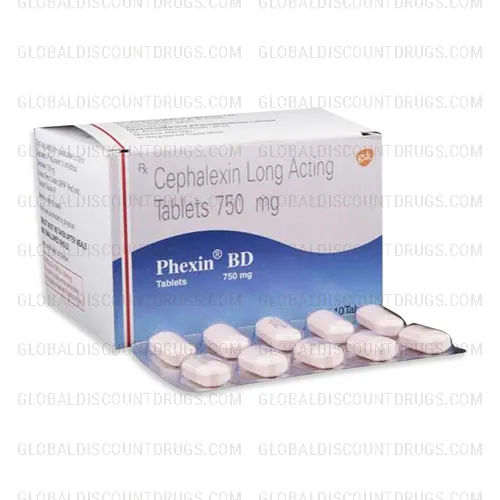
Cephalexin
In StockCephalexin is a prescription medicine used to treat bacterial infections such as skin infections, respiratory tract infections, and urinary tract infections. It belongs to the cephalosporin class of antibiotics and works by interfering with bacterial cell wall formation, helping stop the growth of bacteria. This action supports the body in clearing infection. Use as directed on the product label or by a healthcare professional.
$0.25 per pill
What is Cephalexin?
Cephalexin is a prescription antibiotic used to treat bacterial infections. It belongs to a class of medicines known as cephalosporin antibiotics, which work by killing bacteria that cause infections.
Cephalexin is commonly prescribed to treat infections in different parts of the body when the bacteria are susceptible to this antibiotic.
Approved and common uses
Healthcare professionals may prescribe cephalexin for:
- Skin and soft tissue infections
- Respiratory tract infections
- Urinary tract infections (UTIs)
- Ear infections
- Bone infections
- Certain dental infections
Other bacterial infections determined by laboratory testing
Cephalexin is effective against bacterial infections only and does not work against viral illnesses such as colds or influenza.
Available formulations and strengths
Cephalexin is typically available as:
- Oral capsules
- Oral tablets
Oral suspension (liquid formulation)
Common strengths may include:
Liquid formulations are often used for children or individuals who have difficulty swallowing tablets.
What is the Recommended Dosage of Cephalexin?
The appropriate dosage of cephalexin must be determined by a licensed healthcare professional.
Dosage may vary depending on:
- The type and severity of infection
- Patient age and body weight
- Kidney function
- Overall health condition
- Response to treatment
Doctors determine the dosing schedule based on the infection being treated.
Available dosage forms
Cephalexin may be administered as:
- Oral capsules
- Oral tablets
- Oral liquid suspension
Patients should complete the entire prescribed course of antibiotics, even if symptoms improve earlier, to help prevent antibiotic resistance and recurrence of infection.
How Cephalexin Works
Cephalexin works by interfering with the formation of bacterial cell walls.
Bacteria require strong cell walls to maintain their structure and survive. Cephalexin disrupts the process that bacteria use to build these walls.
As a result:
- The bacterial cell wall becomes weak
- Bacteria cannot maintain their structure
- The bacteria eventually die
This action helps the body eliminate the infection. However, cephalexin only targets susceptible bacteria and does not affect viruses.
Is a Prescription Required to Buy Cephalexin Online?
Yes. Cephalexin is a prescription-only medication in most countries.
A licensed healthcare professional must evaluate the infection before prescribing antibiotics.
Healthcare specialists who may prescribe cephalexin include:
- Primary care physicians
- Internal medicine specialists
- Infectious disease specialists
- Dermatologists
- Dentists for dental infections
Patients should avoid purchasing antibiotics from unverified online sources, as counterfeit or inappropriate antibiotic use may lead to treatment failure or harmful side effects.
Antibiotics should only be obtained from licensed pharmacies that require a valid prescription.
Side Effects of Cephalexin
Like all medications, cephalexin may cause side effects. Many patients tolerate the medication well.
Common Side Effects
Common side effects may include:
- Diarrhea
- Nausea
- Vomiting
- Stomach discomfort
- Mild skin rash
- Dizziness
These symptoms are usually mild and temporary.
Serious Side Effects
Rare but serious side effects may include:
- Severe allergic reactions
- Persistent diarrhea or signs of Clostridioides difficile infection
- Severe skin reactions
- Liver problems
- Severe abdominal pain
Immediate medical attention is required if symptoms such as difficulty breathing, severe rash, swelling of the face or throat, or severe diarrhea occur.
Drug Interactions
Cephalexin may interact with certain medications.
Major interaction categories include:
Other antibiotics
Probenecid, which may affect antibiotic levels in the body
Certain medications affecting kidney function
OTC medications and supplements
Patients should inform their healthcare provider if they use:
Over-the-counter medications
Herbal supplements
Vitamins or dietary supplements
Providing a complete medication list helps healthcare professionals identify possible interactions.
Safety & Important Considerations
Before taking cephalexin, healthcare providers evaluate several medical factors.
Allergy history
Patients with a history of allergy to cephalosporins or penicillin antibiotics should inform their healthcare provider.
Kidney function
Cephalexin is primarily eliminated through the kidneys. Patients with kidney disease may require dose adjustments.
Antibiotic resistance
Antibiotics should only be used for confirmed or suspected bacterial infections to reduce the risk of resistance.
Gastrointestinal effects
Antibiotics may disrupt the natural balance of bacteria in the digestive system, occasionally leading to digestive symptoms.
Monitoring
Doctors may monitor:
- Infection response
- Kidney function
- Signs of allergic reactions
Who This Medication Is For
Cephalexin is prescribed for patients diagnosed with bacterial infections caused by susceptible organisms.
Typical patient groups include:
- Adults and children with skin infections
- Individuals with respiratory infections
- Patients with urinary tract infections
- People with certain ear, bone, or dental infections
- Treatment suitability depends on clinical evaluation and laboratory testing when appropriate.
Who Should Not Take Cephalexin
Cephalexin may not be appropriate for certain individuals.
Contraindications and precautions include:
- Known allergy to cephalexin or other cephalosporin antibiotics
- History of severe allergic reactions to related antibiotics
Patients with the following conditions may require careful evaluation:
- Kidney disease
- Gastrointestinal disorders such as colitis
- Previous severe antibiotic reactions
A licensed healthcare professional must determine whether cephalexin is appropriate.
What to Do If You Miss a Dose
If a dose is missed:
- Take the missed dose as soon as it is remembered
- If it is close to the next scheduled dose, skip the missed dose
- Patients should not take two doses at the same time to compensate for a missed dose.
If several doses are missed or treatment instructions are unclear, patients should contact their licensed healthcare professional or pharmacist.
Alternatives to Cephalexin
Several other antibiotics may be used to treat bacterial infections depending on the type of infection and bacterial sensitivity.
Examples include:
- Other cephalosporin antibiotics
- Penicillin-based antibiotics
- Macrolide antibiotics
- Fluoroquinolone antibiotics
Other antimicrobial medications determined by culture results
The appropriate antibiotic should be selected by a licensed healthcare professional based on clinical evaluation.
Storage Instructions
Proper storage helps maintain medication safety and effectiveness.
Recommended storage practices include:
- Store at room temperature
- Keep tablets or capsules in their original container
- Protect from excess heat and moisture
- Avoid direct light exposure
- Keep out of reach of children and pets
Liquid suspensions may have specific storage instructions provided on the label.
Disclaimer:
This page is provided for educational purposes only. It is not a substitute for professional medical advice, diagnosis, or treatment.
Patients must consult a licensed physician, infectious disease specialist, or other qualified healthcare professional before starting, changing, or stopping treatment with cephalexin.
All treatment decisions must be based on a complete clinical evaluation performed by a qualified healthcare professional.


$2.64 – $3.23 per pill


$0.74 – $0.90 per pill

$1.08 – $1.32 per pill

$2.32 – $2.84 per pill


