
No products in the cart.

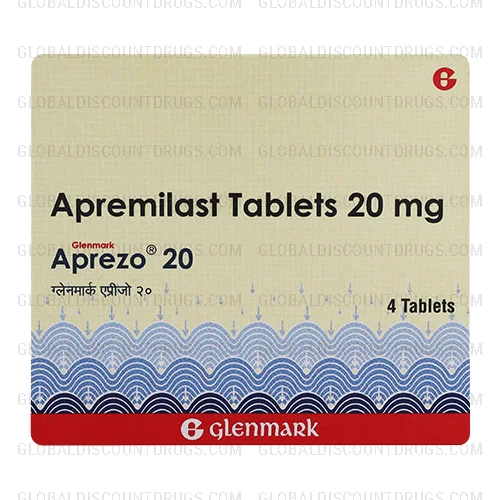
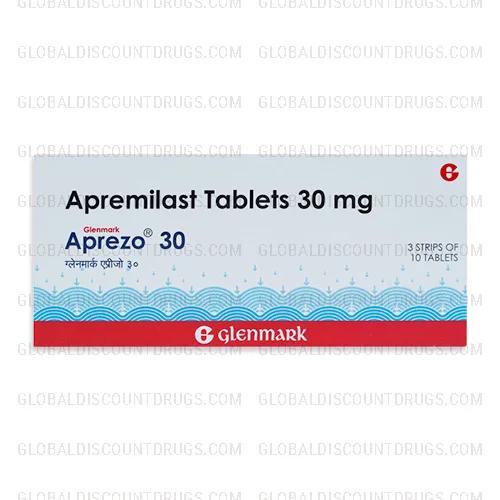
Apremilast
In StockApremilast is an oral small-molecule inhibitor of phosphodiesterase 4 (PDE4), providing targeted treatment for plaque psoriasis and psoriatic arthritis. It works intracellularly to modulate a network of pro- and anti-inflammatory mediators, thereby reducing chronic inflammation and joint destruction. This compound offers a valuable, non-biologic systemic option for patients who require relief from chronic inflammatory skin and joint conditions. Its unique mechanism offers a high-value alternative in rheumatology and dermatology.
$4.25 per pill
What is Apremilast Tablet?
Apremilast Tablet is an oral medication used to treat inflammatory conditions such as psoriasis, psoriatic arthritis, and Behçet’s disease. It belongs to a class of drugs known as phosphodiesterase 4 (PDE4) inhibitors, which help regulate the immune system and reduce inflammation in the body. By lowering inflammation, Apremilast improves skin symptoms, joint pain, and overall quality of life. It is a non-biologic, non-steroidal option for patients who prefer oral therapy over injections.
Apremilast Used For
Apremilast is commonly prescribed to:
-
Treat moderate to severe plaque psoriasis in adults who do not respond to or tolerate other treatments
-
Manage psoriatic arthritis, reducing joint pain, swelling, and stiffness
-
Control oral ulcers caused by Behçet’s disease
-
Help prevent flare-ups and maintain long-term remission in chronic inflammatory conditions
It offers a targeted, immune-modulating approach for patients with autoimmune skin and joint disorders.
Chemical Composition
Each Apremilast tablet contains Apremilast as the active ingredient. Inactive ingredients may include lactose monohydrate, magnesium stearate, hydroxypropyl cellulose, and titanium dioxide. Tablets are typically film-coated to ensure proper absorption and easy swallowing.
Apremilast Mechanism
Apremilast works by inhibiting phosphodiesterase 4 (PDE4), an enzyme that plays a key role in inflammatory pathways. By blocking PDE4, it increases the levels of cyclic AMP (cAMP) inside cells, which reduces the production of pro-inflammatory cytokines and increases anti-inflammatory cytokines. This mechanism helps control excessive immune responses and relieves symptoms such as redness, swelling, scaling, and pain.
How It Helps in Recovery from Inflammatory Conditions
Apremilast reduces overactive immune signaling, which plays a central role in psoriasis and psoriatic arthritis. By restoring immune balance, it improves skin texture, reduces plaques, and relieves joint discomfort. The result is less inflammation, improved mobility, and enhanced quality of life. Its oral administration makes it a convenient and effective long-term treatment option.
What Are Other Benefits
-
Non-biologic treatment with no need for regular injections
-
Minimal risk of severe immunosuppression compared to other drugs
-
Suitable for long-term management of chronic autoimmune diseases
-
Helps improve mood and daily functioning by controlling visible skin symptoms
-
Can be used as monotherapy or in combination with topical or systemic treatments
Dosages
Available Strengths or Dosage
Apremilast is available in Apremilast 10mg, Apremilast 20mg, and Apremilast 30mg tablets. The standard maintenance dose is 30 mg taken twice daily, as prescribed by a healthcare provider. Dose titration may be required initially to minimize gastrointestinal side effects.
How and When to Take It
-
Take the tablet orally with or without food.
-
Swallow the tablet whole; do not crush or chew it.
-
Follow the dose escalation schedule recommended by your doctor to avoid nausea or diarrhea.
-
Consistent daily use is essential for best results, as benefits typically appear after several weeks.
Overdose Caution
Taking more than the prescribed dose can cause severe nausea, vomiting, or headaches. In case of overdose, seek immediate medical attention. Always keep the tablets out of reach of children and avoid sharing the medicine with others.
Who Can Use/Take Apremilast Tablets?
Apremilast is prescribed for adults diagnosed with psoriasis, psoriatic arthritis, or Behçet’s disease.
It may not be suitable for:
-
People under 18 years old
-
Pregnant or breastfeeding women (unless advised by a physician)
-
Patients with severe kidney disease (dose adjustment may be required)
-
Individuals with a history of depression or significant weight loss
Your doctor may review your medical history before starting treatment to ensure safety and optimal response.
Side Effects & Precautions
What Are the Side Effects
Common side effects of Apremilast include:
-
Nausea, vomiting, or diarrhea
-
Headache or fatigue
-
Weight loss
-
Insomnia or mood changes
-
Cough or mild respiratory discomfort
Serious but less common effects:
-
Severe depression or suicidal thoughts
-
Allergic reactions such as rash or swelling
-
Abnormal heartbeat or chest discomfort
What Is the Precaution to Avoid Side Effects
-
Take Apremilast exactly as directed to prevent gastrointestinal upset.
-
Drink plenty of fluids and maintain a balanced diet.
-
Inform your doctor about any history of depression, kidney disease, or weight changes.
-
Monitor body weight regularly during treatment.
-
Avoid abrupt discontinuation without consulting your physician.
-
Report any mood changes or persistent stomach issues immediately.
Always consult your doctor before starting treatment. If prescribed, you can order Apremilast tablets online safely from trusted pharmacy sources and ensure timely refills to maintain your treatment progress.


$2.68 – $3.12 per pill


$8.66 – $10.59 per pill


$15.46 – $18.90 per pill


$1.64 – $2.00 per pill


