

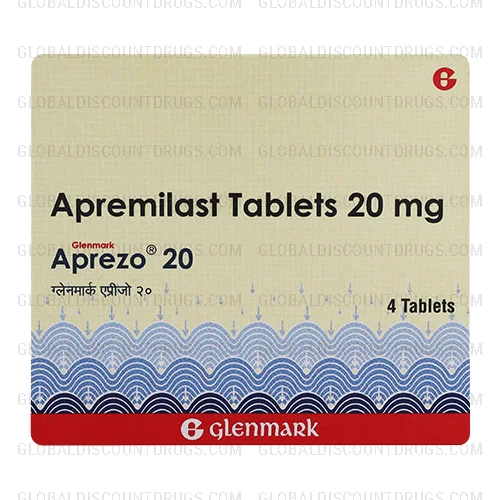
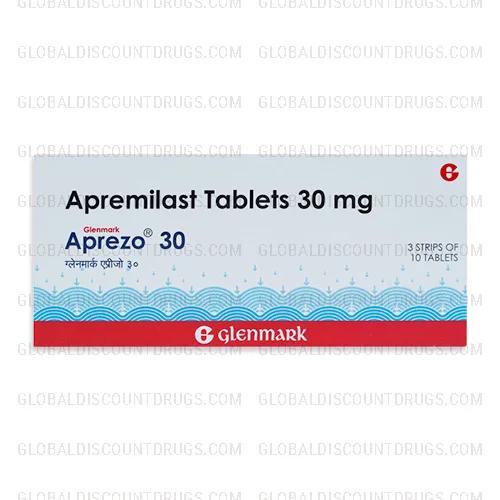
Apremilast
In StockApremilast is an oral small-molecule inhibitor of phosphodiesterase 4 (PDE4), providing targeted treatment for plaque psoriasis and psoriatic arthritis. It works intracellularly to modulate a network of pro- and anti-inflammatory mediators, thereby reducing chronic inflammation and joint destruction. This compound offers a valuable, non-biologic systemic option for patients who require relief from chronic inflammatory skin and joint conditions. Its unique mechanism offers a high-value alternative in rheumatology and dermatology.

What is Apremilast?
Apremilast is a phosphodiesterase 4 (PDE4) inhibitor, a type of medication that works inside cells to help regulate immune and inflammatory activity. Unlike biologic medications, apremilast is a small-molecule drug taken by mouth rather than by injection or infusion.
Apremilast is approved and commonly prescribed for:
- Plaque psoriasis, particularly moderate to severe cases
- Psoriatic arthritis
- Oral ulcers associated with Behçet’s disease
Apremilast is available in the following formulation:
- Oral tablets, typically provided as part of a starter dose titration pack for the first two weeks of treatment
Strengths and exact product availability vary by country and manufacturer. Apremilast is typically prescribed and monitored by a specialist experienced in managing psoriasis, psoriatic arthritis, or related inflammatory conditions.
What is the Recommended Dosage of Apremilast?
There is no single standard dose that applies to all patients. Dosage is highly individualized and depends on several factors, including:
- The specific condition being treated
- The patient’s age
- Kidney function, since apremilast is eliminated primarily through the kidneys and requires dose adjustment in significant kidney impairment
- Whether the patient is in the initial titration period or on a stable maintenance dose
- Tolerability, since gradually increasing the dose over the first one to two weeks is generally used to reduce gastrointestinal side effects
Because dosing typically follows a specific titration schedule and may need adjustment based on kidney function, dosing must always be determined and supervised by a licensed medical specialist.
This guide does not provide specific dosing amounts. Patients and caregivers should always follow the exact instructions provided by the prescribing physician or pharmacist and should never adjust the dose without medical guidance.
How Apremilast Works
Apremilast works by inhibiting an enzyme called phosphodiesterase 4 (PDE4) inside immune cells. This enzyme plays a role in regulating levels of a molecule that helps control inflammatory signaling. By blocking PDE4, apremilast helps reduce the production of certain inflammatory substances involved in psoriasis and psoriatic arthritis.
Apremilast manages symptoms and underlying inflammatory activity associated with these conditions, but it does not cure psoriasis, psoriatic arthritis, or Behçet’s disease. It is typically used as part of a longer-term treatment plan directed by a specialist, and noticeable improvement may take several weeks.
Is a Prescription Required to Buy Apremilast Online?
Yes. Apremilast is a prescription-only medication due to its potency and the need for appropriate medical evaluation before and during treatment.
Patients should consult a licensed medical specialist before starting apremilast. Depending on the condition being treated, this may include:
- A dermatologist (for plaque psoriasis or Behçet’s disease-related oral ulcers)
- A rheumatologist (for psoriatic arthritis)
Patients should be cautious of websites offering apremilast without a prescription, as such products may be counterfeit or improperly manufactured. Apremilast should only be purchased from licensed pharmacies that require a valid prescription.
Side Effects of Apremilast
Common Side Effects
These effects are generally mild and often improve after the initial weeks of treatment:
- Diarrhea
- Nausea
- Headache
- Upper respiratory infections, such as colds
- Decreased appetite
- Mild weight loss
Serious Side Effects
Although less common, apremilast can cause more serious effects. Patients should seek immediate medical attention if they experience:
- Significant or persistent mood changes, new or worsening depression, or thoughts of self-harm
- Severe or unexplained weight loss
- Signs of a severe allergic reaction, such as difficulty breathing, hives, or swelling of the face, lips, or throat
- Persistent or severe diarrhea or vomiting that leads to signs of dehydration
- New or worsening gastrointestinal symptoms that are severe or unusual
Apremilast carries a labeled warning regarding the risk of depression, mood changes, and, in rare cases, suicidal thoughts or behavior. Patients and caregivers should be alert to changes in mood or behavior, particularly in patients with a prior history of depression, and should report these promptly to a specialist. This is not a complete list of possible side effects, and patients should discuss their full risk profile with their prescribing specialist.
Drug Interactions
Apremilast can interact with certain other medications. Categories of potential interactions include:
- Strong enzyme-inducing medications, such as certain anti-seizure drugs or antibiotics, which can significantly reduce the effectiveness of apremilast by speeding up how quickly it is broken down in the body
- Other immune-modifying medications, which may require careful evaluation if used together
- Herbal supplements, particularly St. John’s Wort, which can significantly reduce apremilast blood levels
- Over-the-counter medications, which are generally less likely to interact but should still be reviewed with a specialist or pharmacist
Patients should provide their licensed medical specialist and pharmacist with a complete and current list of all prescription medications, over-the-counter drugs, vitamins, and herbal or dietary supplements before starting apremilast.
Safety & Important Considerations
- Kidney disease: Patients with significant kidney impairment typically require a reduced dose, as apremilast is eliminated primarily through the kidneys.
- Pregnancy and breastfeeding: The safety of apremilast during pregnancy and breastfeeding has not been fully established, and it should only be used if a specialist determines the benefits outweigh potential risks. Patients who are pregnant, planning pregnancy, or breastfeeding must discuss this directly with their prescriber.
- Children and elderly patients: Apremilast is generally studied and used in adults; its use in children depends on the specific condition and should be guided by a pediatric specialist where applicable. Elderly patients may be more sensitive to certain side effects, including weight loss.
- Mental health monitoring: Because of the labeled warning regarding depression and mood changes, patients with a history of depression or mental health conditions should discuss this history with their specialist before starting treatment, and both patients and caregivers should monitor for mood or behavioral changes throughout treatment.
- Weight monitoring: Unexplained or significant weight loss has been reported with apremilast, and a specialist may recommend periodic weight checks, particularly in patients who are underweight at the start of treatment.
- Drug interactions with enzyme inducers: Because certain medications can significantly reduce apremilast’s effectiveness, it is important to disclose all current medications before starting treatment.
- FDA and regulatory guidance: Apremilast carries labeled warnings regarding depression, mood changes, and weight loss. A specialist can provide the most current safety information relevant to an individual’s treatment plan.
Who This Medication Is For
Apremilast is generally prescribed for adult patients diagnosed with moderate to severe plaque psoriasis, active psoriatic arthritis, or oral ulcers associated with Behçet’s disease, particularly when other treatments have not been fully effective or appropriate, based on a licensed specialist’s evaluation and diagnosis.
Who Should Not Take Apremilast
Apremilast may not be appropriate for everyone. It may be contraindicated or require extra caution in patients who have:
- A known allergy to apremilast
- Significant kidney impairment, without appropriate dose adjustment
- A history of depression, mood disorders, or suicidal thoughts or behavior, which requires careful specialist discussion before starting treatment
- Significant unexplained weight loss or being underweight, which may warrant closer monitoring
- Use of strong enzyme-inducing medications that could reduce apremilast’s effectiveness, without specialist evaluation
This list is not exhaustive. A full medical history review by a licensed specialist is necessary before starting treatment to determine whether apremilast is appropriate for an individual patient.
What to Do If You Miss a Dose
If a dose of apremilast is missed, patients should take it as soon as they remember, unless it is close to the time of the next scheduled dose. In that case, the missed dose should be skipped, and the regular dosing schedule should resume. Doses should never be doubled to make up for a missed one.
Because apremilast treatment typically begins with a specific titration schedule, patients or caregivers who are unsure what to do after a missed dose, particularly during the initial titration period, should contact their licensed medical specialist or pharmacist for specific instructions.
Related medications to Apremilast
Apremilast is a PDE4 inhibitor used for conditions including active psoriatic arthritis and plaque psoriasis. Related treatment-information pages include Methotrexate and Tofacitinib where psoriatic disease is the relevant condition. These medicines have different mechanisms, indications, warnings, and monitoring requirements.
Storage Instructions
- Store apremilast at room temperature, generally between 68°F and 77°F (20°C to 25°C), unless the product label specifies otherwise.
- Protect the medication from excessive heat, moisture, and direct light.
- Keep tablets in their original packaging, particularly the titration pack, which is labeled by day to support correct dosing during the first two weeks.
- Store out of reach of children and pets.
- Dispose of expired or unused medication according to local guidelines or take-back programs rather than discarding it in household trash or flushing it, unless specifically instructed to do so.
Disclaimer:
This page is for educational purposes only. It is not a substitute for professional medical advice, diagnosis, or treatment. Patients must consult a licensed medical specialist appropriate to their condition before starting, changing, or stopping treatment with apremilast. Treatment decisions must be based on a full clinical evaluation by a qualified specialist.
Prescription Required (Rx) to Buy?
This medication is not available over the counter. A valid prescription from a licensed healthcare
professional is required. Always consult your doctor before use.