 Offer Zone
Asthma Medications
Asthma medications are prescription treatments used to help manage asthma symptoms, reduce airway inflammation, and support easier breathing. Commonly prescribed asthma medications include Albuterol-Salbutamol, Budesonide-Formoterol, Fluticasone-Salmeterol, Montelukast, and Tiotropium Bromide. Treatment recommendations should be individualized and made by a qualified healthcare professional based on symptom severity, asthma type, medical history, and treatment goals
Asthma
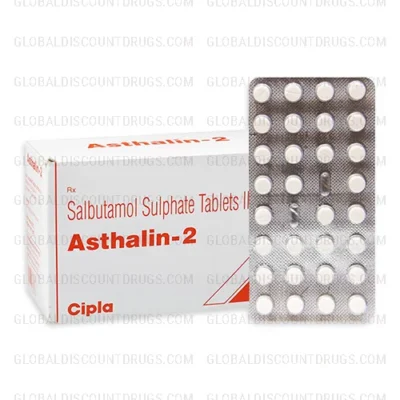
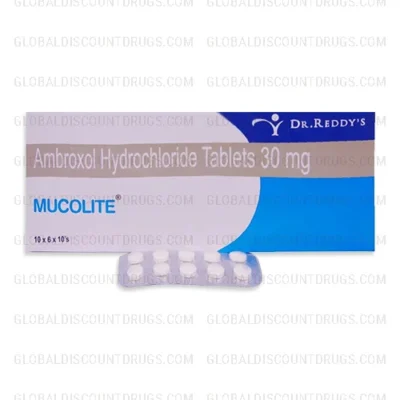






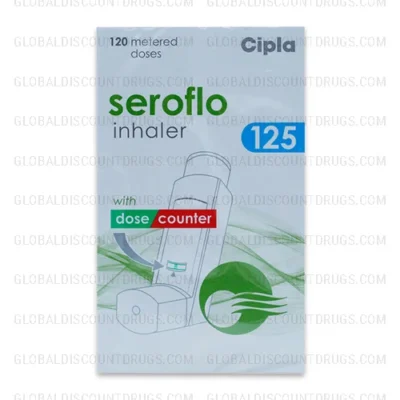


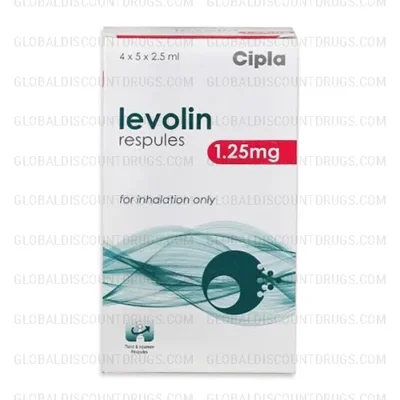
How Asthma Medications Help
Asthma affects the airways that carry air in and out of the lungs. During an asthma flare-up, the airways may become inflamed, swollen, and narrowed, making breathing more difficult.
Asthma medications are commonly prescribed to:
- Reduce airway inflammation
- Relax airway muscles
- Improve airflow to the lungs
- Prevent asthma attacks
- Support long-term symptom control
- Reduce the frequency of flare-ups
Treatment may vary from person to person, and healthcare providers often adjust therapy based on symptom control and response to treatment.
Common Types of Asthma Medications
Several categories of medications are used in asthma management.
Quick-Relief Medications
Often called rescue medications, these treatments are used to provide rapid relief during sudden asthma symptoms.
Examples include:
- Albuterol (Salbutamol)
- Levalbuterol
These medications help relax airway muscles and improve breathing within minutes.
Long-Term Controller Medications
Controller medications are used regularly to help reduce inflammation and maintain symptom control over time.
Examples include:
- Budesonide
- Beclometasone
- Fluticasone
- Montelukast
These therapies are generally prescribed for ongoing asthma management.
Combination Inhalers
Combination therapies contain more than one active ingredient and may help control inflammation while improving airflow.
Examples include:
- Budesonide-Formoterol
- Fluticasone-Salmeterol
These medications are commonly used for patients requiring long-term maintenance therapy.
Common Asthma Medications Available
The asthma medications available within this category may include:
- Albuterol-Salbutamol
- Budesonide
- Budesonide-Formoterol
- Fluticasone-Salmeterol
- Montelukast
- Tiotropium Bromide
- Beclometasone
- Formoterol combination therapies
Each medication works differently and may be prescribed for specific treatment goals. Always follow the instructions provided by your healthcare professional.
Choosing the Right Asthma Treatment
Healthcare providers consider several factors when recommending asthma medications, including:
- Frequency of symptoms
- Severity of asthma
- Lung function results
- Age
- Medical history
- Current medications
- Previous treatment response
Because asthma varies between individuals, treatment plans are personalized to help achieve effective symptom control while minimizing risks.
Important Safety Information
Asthma medications should be used exactly as prescribed.
Important considerations include:
- Many asthma medications require a valid prescription.
- Proper inhaler technique is important for effective treatment.
- Do not stop maintenance medications without medical advice.
- Attend regular follow-up appointments to monitor asthma control.
- Seek immediate medical attention if breathing difficulties worsen or emergency symptoms occur.
If you have questions about asthma treatment, speak with a qualified healthcare professional before starting or changing any medication.
Frequently Asked Questions
What medications are commonly used for asthma?
Common asthma medications include Albuterol-Salbutamol, Budesonide, Fluticasone-Salmeterol, Montelukast, Tiotropium Bromide, and other inhaled or oral therapies prescribed according to individual treatment needs.
Do asthma medications require a prescription?
Many asthma medications require a valid prescription. Prescription requirements may vary depending on the medication and local regulations.
What is the difference between rescue and maintenance inhalers?
Rescue inhalers are used for quick symptom relief during asthma flare-ups. Maintenance inhalers are used regularly to help reduce inflammation and support long-term asthma control.
Can asthma medications be used long term?
Some asthma medications are prescribed for long-term use to help manage symptoms and reduce the risk of asthma attacks. Treatment duration depends on individual medical needs.
How do doctors choose asthma treatment?
Healthcare providers evaluate symptom severity, lung function, medical history, and treatment response when selecting an asthma management plan.
Can asthma symptoms change over time?
Yes. Asthma symptoms may improve, worsen, or vary due to factors such as allergies, respiratory infections, environmental triggers, and treatment adherence.
When should I seek medical attention for asthma symptoms?
Seek medical attention if symptoms worsen, breathing becomes difficult, rescue medication is not providing relief, or emergency warning signs develop. Always follow your healthcare provider's recommendations.
Medical Disclaimer:
The information on this page is intended for educational purposes only and does not replace professional medical advice. Asthma medications should be used only as prescribed by a qualified healthcare provider. Read our full medical disclaimer for more details.
References
