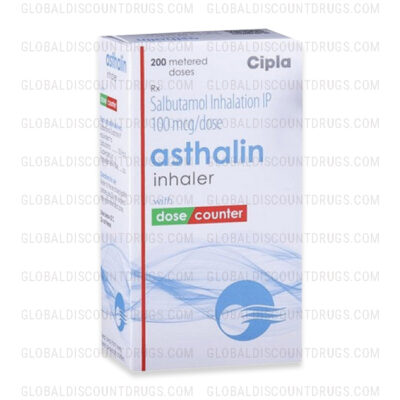
Formoterol-Tiotropium
In StockFormoterol-Tiotropium inhaler provides strong bronchodilation for COPD management. Formoterol relaxes airway muscles, while Tiotropium keeps them open longer for easier breathing. It reduces shortness of breath and improves exercise tolerance. Daily use enhances lung performance and comfort. It’s ideal for chronic respiratory maintenance.

What Is Formoterol–Tiotropium?
Formoterol–tiotropium is a combination inhalation medicine. It contains two different bronchodilators that work in different ways:
- Formoterol fumarate: a long-acting beta2-agonist (LABA) that relaxes the muscles around the airways.
- Tiotropium bromide: a long-acting muscarinic antagonist (LAMA), also called a long-acting anticholinergic, that blocks signals that make the airway muscles tighten.
Drug class: Long-acting bronchodilator combination (LABA/LAMA).
Approved Uses
Where this combination is available, it is approved for:
- COPD, including chronic bronchitis and emphysema: regular (maintenance) treatment to ease breathing difficulty, cough, and wheezing caused by airflow blockage.
This medicine is not a rescue inhaler and does not treat sudden breathing problems. It is generally not used for asthma on its own.
Availability
This fixed-dose combination is sold under different brand names in some countries, and it is not available everywhere. In places where it is not sold, the two medicines may be prescribed separately, or other LABA/LAMA combination inhalers may be used. A prescriber or pharmacist can confirm what applies locally.
Available Formulations and Strengths
| Formulation | Notes |
|---|---|
| Inhalation powder capsules (used in a dry powder inhaler device) | The capsule is placed in a device and the powder is breathed in. Capsules must not be swallowed. |
Strengths are written as the amount of formoterol and tiotropium in micrograms (mcg) per capsule. Available strengths differ by brand and country, so check the product label.
What Is the Recommended Dosage of Formoterol–Tiotropium?
A licensed healthcare professional chooses the dose. It depends on:
- The condition being treated and how severe it is.
- Age: this medicine is intended for adults, and it is not approved for children.
- Kidney function: tiotropium is removed mainly by the kidneys, so people with moderate or severe kidney disease may need closer monitoring.
- Heart health and other conditions, such as glaucoma or an enlarged prostate.
- Other medicines being used.
Body weight and liver function are not usually used to set the dose.
Dosage Form
- Inhalation powder capsules, used with the inhaler device that comes with the product.
General Use Information
This medicine is generally used once a day, at about the same time each day. Using extra doses does not improve control and can raise the risk of side effects, including heart-related effects. Follow your specialist’s instructions and the pharmacy label.
Use the capsules only in the device provided. Keep capsules in their blister packs until just before use, and do not swallow them. Be careful not to get powder in your eyes. Rinsing the mouth after use may help with dry mouth and throat irritation.
How Formoterol–Tiotropium Works
The two ingredients help open the airways in different ways:
- Formoterol relaxes the tight muscle bands around the breathing tubes. It starts to work fairly quickly after inhalation, and its effect lasts about 12 hours.
- Tiotropium blocks a body chemical called acetylcholine, which tells the airway muscles to tighten and the airways to make mucus. Blocking it helps the airways stay open for about 24 hours.
Together, they help ease coughing, wheezing, chest tightness, and shortness of breath. This medicine helps manage COPD but does not cure it, and it does not repair lung damage. It works best when used every day as prescribed, even when symptoms feel quiet.
Is a Prescription Required to Buy Formoterol–Tiotropium Online?
Yes. Formoterol–tiotropium is available by prescription only.
Which Specialist Can Help?
- A pulmonologist (lung specialist) commonly manages COPD.
- A primary care provider may also prescribe it and follow the patient over time.
Buying Safely
- Buy only from licensed pharmacies that ask for a valid prescription.
- Be wary of sites that sell inhalers without a prescription or at prices that seem too low. Such products may be counterfeit, expired, badly stored, or contain the wrong ingredients.
- Make sure the package is sealed, properly labeled, and has an expiration date. If anything looks odd, ask a pharmacist.
Side Effects of Formoterol–Tiotropium
Many people tolerate this medicine, but side effects can occur. Not everyone will have them.
Common Side Effects
- Dry mouth
- Cough or throat irritation
- Headache
- Colds, sinus inflammation, or other upper respiratory infections
- Constipation
- Dizziness
- Shakiness, tremor, or muscle cramps
- Fast or pounding heartbeat
- Urinary tract infection
Serious Side Effects
These are uncommon but important:
- Breathing that suddenly gets worse right after a dose (paradoxical bronchospasm)
- Allergic reactions: rash, hives, swelling of the face, lips, or tongue, or trouble breathing
- New or worsening narrow-angle glaucoma, shown by eye pain or discomfort, blurred vision, halos around lights, or red eyes
- Trouble passing urine or painful urination, especially in people with an enlarged prostate or bladder problems
- Rapid, pounding, or irregular heartbeat, chest pain, or high blood pressure
- Low potassium or high blood sugar levels
When to Get Medical Help Right Away
Seek emergency care if there is:
- Severe trouble breathing, or breathing that worsens after using the inhaler
- Swelling of the face, lips, tongue, or throat
- Chest pain or a very fast or irregular heartbeat
- Eye pain with vision changes
- Fainting or severe dizziness
Contact a healthcare professional soon if symptoms are getting worse, the rescue inhaler is needed more often than usual, or you have difficulty urinating.
Drug Interactions
Some medicines can change how this inhaler works or increase the chance of side effects. Give your specialist and pharmacist a full list of everything you use.
Prescription Medicine Categories
- Other anticholinergic medicines, including other inhaled products such as ipratropium and some oral medicines for bladder, stomach, or Parkinson’s disease. Combining them can increase dry mouth, constipation, urinary problems, and eye pressure.
- Other long-acting beta2-agonists and other beta-agonists, including other combination inhalers and oral products.
- Beta-blockers, including some eye drops, which can block the effect of formoterol and may cause breathing trouble in some people.
- Diuretics (“water pills”), steroids, and xanthine medicines (such as theophylline), which can add to potassium-lowering effects.
- MAOIs and tricyclic antidepressants, which may heighten formoterol’s effects on the heart and blood vessels.
- Medicines that can affect heart rhythm (QT prolongation).
Over-the-Counter (OTC) Medicines
- Decongestants and some cold and allergy products may raise heart rate or blood pressure.
- Some allergy, sleep, and motion sickness medicines have anticholinergic effects and may add to dry mouth, constipation, or urinary problems.
- Other OTC inhalers or asthma products should be used only with a healthcare professional’s approval.
Supplements and Herbal Products
- Stimulant-type supplements (for example, those with high caffeine, ephedra-like ingredients, or bitter orange) may add to heart-related effects.
- St. John’s wort and other herbal products can change how the body handles medicines. Ask before using them.
Do not start, stop, or change any medicine or supplement without telling your healthcare professional.
Safety & Important Considerations
Not for Sudden Symptoms
Keep a fast-acting rescue inhaler on hand as directed. Get emergency help if the rescue inhaler does not work.
Avoid Extra Doses
Taking more than prescribed can cause serious heart problems. Do not use another LABA- or LAMA-containing product at the same time unless a healthcare professional says to.
Eye Problems
People with narrow-angle glaucoma should use this medicine only after talking with a doctor. Avoid getting the powder in your eyes.
Urinary Problems
People with an enlarged prostate or bladder-neck blockage may be more likely to have trouble passing urine.
Kidney Disease
Tiotropium is cleared mainly through the kidneys. People with moderate to severe kidney disease should be monitored closely for side effects of tiotropium, such as dry mouth and urinary problems.
Liver Disease
Dose changes are not usually needed, but share any liver conditions with your provider.
Heart Disease
Formoterol can raise heart rate and may trigger rhythm problems. Tell your provider about any heart condition, high blood pressure, or irregular heartbeat.
Pregnancy and Breastfeeding
- Tell your healthcare professional if you are pregnant, planning pregnancy, or breastfeeding.
- Information about use in pregnancy is limited, so decisions should be made with a specialist.
- It is not fully known whether the ingredients pass into breast milk.
Older Adults
Older adults may be more likely to have heart, kidney, urinary, or eye conditions that call for closer monitoring.
Conditions to Discuss Before Starting
Tell your healthcare professional if you have, or have had:
- Heart disease, high blood pressure, or an irregular heartbeat
- Narrow-angle glaucoma
- An enlarged prostate or trouble passing urine
- Kidney disease
- Seizures
- Thyroid disease or diabetes
- Low potassium levels
- An allergy to milk proteins or lactose (capsule powder often contains lactose)
- An allergy to atropine-like medicines
Monitoring
Your care team may:
- Track symptoms, lung function tests, and how often you need your rescue inhaler
- Monitor heart rate, blood pressure, and potassium in some patients
- Ask about eye symptoms and urinary symptoms at follow-up visits
Safety Information From Regulators
Regulators advise that medicines containing a long-acting bronchodilator be used exactly as directed and that fast-acting rescue medicine be available. Read the current prescribing information and patient leaflet that come with your inhaler.
Who This Medication Is For
Formoterol–tiotropium is intended for:
- Adults with COPD who need ongoing treatment to keep their airways open and ease symptoms, as decided by their healthcare professional.
It may be considered when one long-acting bronchodilator alone is not enough. A specialist decides if it is appropriate after reviewing symptoms, lung tests, prior treatments, and overall health.
Who Should Not Take Formoterol–Tiotropium
Do not use this medicine if:
- You are allergic to formoterol, tiotropium, atropine or related medicines, lactose or milk protein (if the product contains it), or any other ingredient in the product.
- You are having a sudden, severe breathing problem and need fast relief. This medicine is not for primary treatment of emergencies.
- You are a child or teenager, unless your product label and prescriber specifically allow it.
Important Precautions
Use extra caution and speak with your specialist if you have heart disease, narrow-angle glaucoma, an enlarged prostate, kidney disease, seizure disorders, thyroid problems, diabetes, or low potassium.
What to Do If You Miss a Dose
- If you miss a dose, skip it and take the next dose at the usual time the following day.
- Never double up or take extra doses to catch up.
- If you often forget doses or are unsure what to do, contact a licensed healthcare professional or pharmacist.
- If symptoms worsen after a missed dose, follow your COPD action plan and get medical help if needed.
Related medications to Formoterol–Tiotropium
Other medicines used for similar conditions include:
- Other LABA/LAMA combination inhalers, such as umeclidinium–vilanterol, glycopyrronium–indacaterol, olodaterol–tiotropium, or aclidinium–formoterol
- A single long-acting bronchodilator, such as a LAMA (for example, tiotropium alone) or a LABA
- Triple-therapy inhalers that add an inhaled steroid to a LABA/LAMA
- Inhaled steroid and LABA combinations (ICS/LABA), in some people
- Short-acting bronchodilators, which are often used as rescue medicine
- Other COPD treatments, such as roflumilast, theophylline, or doxofylline in some cases
These options differ in device type, dosing schedule, and side effects. Do not switch or stop treatment without guidance. Any change should be made after consulting a licensed medical specialist.
Storage Instructions
- Store at room temperature, usually below 77°F (25°C) or as stated on the label.
- Keep capsules in their blister packs until just before use, and keep them dry, away from moisture, such as steamy bathrooms.
- Protect from light and heat.
- Do not swallow capsules, and do not store them in the inhaler device.
- Keep out of reach and sight of children and pets. Swallowing the capsules by mistake can be dangerous.
- Dispose of expired or unused medicine as advised by your pharmacist or local disposal program.
Disclaimer:
This page is for educational purposes only. It is not a substitute for professional medical advice, diagnosis, or treatment. Patients must consult a licensed pulmonologist or other relevant medical specialist before starting, changing, or stopping treatment. Treatment decisions must be based on a full clinical evaluation by a qualified specialist. Always follow the prescribing information and patient leaflet provided with your medicine.
Prescription Required (Rx) to Buy?
This medication is not available over the counter. A valid prescription from a licensed healthcare
professional is required. Always consult your doctor before use.