
No products in the cart.
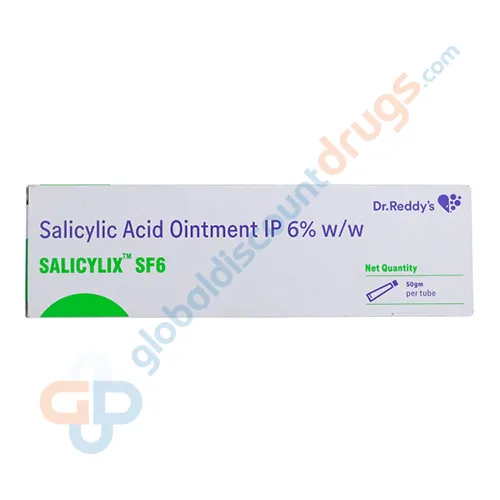

Salicylic Acid
In StockSalicylic Acid is a foundational beta-hydroxy acid (BHA) widely used in dermatology for its powerful keratolytic (exfoliating) and anti-inflammatory properties. It works by dissolving the intercellular cement that holds skin cells together, promoting the shedding of the epidermis and unclogging pores. This API is essential in the treatment of acne, warts, psoriasis, and other scaling skin conditions. Salicylic Acid is a critical ingredient in topical preparations.
$23.40 per pill
What is Salicylic Acid?
Salicylic Acid is a well-known dermatological ingredient commonly used to treat acne, blackheads, whiteheads, and various skin conditions caused by excess oil and clogged pores. It belongs to the beta-hydroxy acid (BHA) family and is widely used in creams, gels, cleansers, and medicated skin treatments. The ingredient penetrates deep into the pores, helping remove dead skin cells and reduce inflammation for clearer, healthier skin. Many people use it as part of their daily skincare routine to manage breakouts and improve skin texture.
Salicylic Acid used for
Salicylic Acid is mainly used for:
-
Acne treatment (mild to moderate)
-
Reducing blackheads and whiteheads
-
Treating oily skin and clogged pores
-
Managing keratosis pilaris
-
Soothing inflamed or rough skin
It helps people struggling with frequent breakouts or skin congestion by promoting smoother and clearer skin over time.
Chemical composition
Most topical formulations contain Salicylic Acid as the active ingredient in concentrations ranging from 0.5% to 6%. The base formulation may include moisturizers, stabilizers, or soothing agents like aloe or glycerin to support skin comfort.
Salicylic Acid mechanism
Salicylic Acid works by penetrating the oil glands and dissolving the debris that clogs pores. As a keratolytic agent, it breaks down the bonds between dead skin cells, allowing them to shed more easily. This reduces acne formation and prevents future breakouts. It also has mild anti-inflammatory properties that calm redness and swelling.
How does it help improve skin conditions
Salicylic Acid helps improve skin health by deeply exfoliating inside the pores rather than only on the surface. It reduces oil buildup, removes impurities, and prevents new acne lesions from forming. Over time, users notice clearer pores, less redness, and fewer recurring pimples. Its consistent use supports smoother skin texture and improved overall complexion.
What are the other benefits?
-
Helps shrink enlarged pores
-
Reduces redness linked to acne
-
Supports faster healing of blemishes
-
Prevents future breakouts
-
Improves skin texture and smoothness
-
Suitable for oily and combination skin types
-
Available in multiple forms like gels, creams, pads, and face washes
Dosages
Available strengths or dosage
Salicylic Acid is available in several forms depending on treatment needs:
-
0.5% to 2% for face washes and daily acne cleansers
-
1% to 3% gels and lotions
-
3% to 6% creams or ointments for rough or thick skin areas
-
Medicated pads and spot-treatment solutions
The concentration varies based on skin sensitivity and the severity of acne.
How and when to take it (apply)
-
Use Salicylic Acid-based cleansers once or twice daily.
-
Apply gels or creams after washing the skin.
-
Start with lower concentrations if you have sensitive skin.
-
Avoid mixing with harsh exfoliators or strong retinoids unless approved by a dermatologist.
-
Use sunscreen during the day because exfoliating acids can increase sun sensitivity.
Overdose caution
Applying too much Salicylic Acid can cause:
-
Excess dryness
-
Redness
-
Irritation
-
Burning sensation
-
Peeling
If severe irritation occurs, stop using the product and speak with a healthcare provider. Do not use large amounts on wide body areas, and keep away from broken skin.
Who can use/take Salicylic Acid?
Salicylic Acid products are suitable for:
-
Teenagers and adults struggling with acne
-
People with oily or combination skin
-
Those dealing with blackheads, whiteheads, or rough patches
People who should use caution include:
-
Individuals with very dry or sensitive skin
-
Pregnant or breastfeeding women (consult a doctor first)
-
People using prescription acne medicines
-
Those with eczema or rosacea
Patch-testing new products is recommended for sensitive users.
Side Effects & Precautions
What are the side effects
Some users may experience mild reactions, including:
-
Dry skin
-
Peeling
-
Redness
-
Mild burning
-
Skin tightness
-
Temporary irritation
Most side effects improve as the skin adapts to the treatment.
What are the precautions to avoid side effects
-
Start with low concentrations to allow the skin to adjust.
-
Avoid applying on broken, irritated, or sunburned skin.
-
Use sunscreen daily to prevent sensitivity.
-
Do not mix with strong exfoliants or alcohol-based products.
-
Follow dosing instructions and avoid overuse.
-
If irritation continues, reduce frequency or consult a dermatologist.
Always consult your doctor before use. If recommended, you can order Salicylic Acid creams, gels, or lotions online from trusted pharmacy sources and ensure timely refills for your skincare routine.


$7.96 – $9.72 per pill


$2.01 – $2.46 per pill


$1.02 – $1.25 per pill


$0.71 – $0.87 per pill


