
No products in the cart.


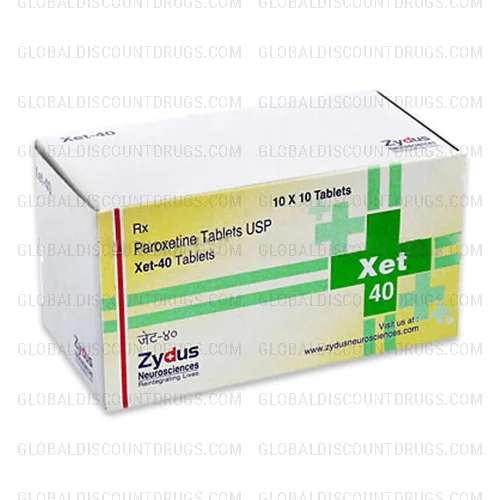
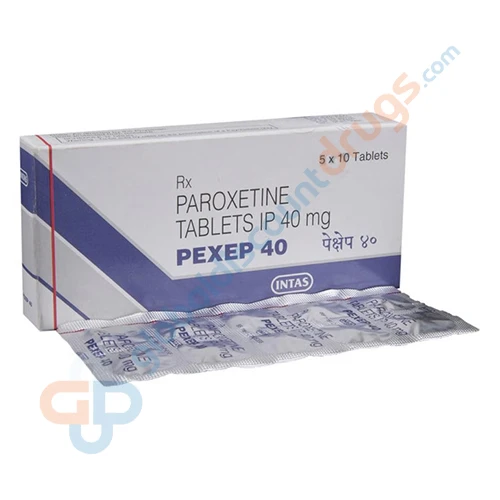
Paroxetine
In StockParoxetine is a prescription medicine used to treat major depressive disorder, generalized anxiety disorder, panic disorder, and obsessive-compulsive disorder (OCD). It belongs to the selective serotonin reuptake inhibitor (SSRI) class and works by increasing serotonin levels in the brain, which helps regulate mood, emotions, and behavior. Use as directed on the product label or by a healthcare professional.
$0.61 per pill
What is Paroxetine
Paroxetine is a prescription medication that belongs to a group of medicines called selective serotonin reuptake inhibitors SSRIs. These medicines affect chemicals in the brain that influence mood, emotions, and behavior.
It is commonly prescribed to treat
Major depressive disorder
Generalised anxiety disorder
Panic disorder
Social anxiety disorder
Obsessive-compulsive disorder OCD
Post-traumatic stress disorder PTSD
Premenstrual dysphoric disorder PMDD
Available formulations and strengths may include
Immediate-release tablets
Controlled-release tablets
Oral suspension liquid
Strengths vary depending on the formulation and region.
What is the Recommended Dosage of Paroxetine
The appropriate dosage depends on several factors
The condition being treated
Age and overall health
Response to treatment
Liver or kidney function
Other medicines being taken
Paroxetine is available in different dosage forms, including tablets and oral liquid. Treatment usually starts at a lower dose and may be adjusted gradually.
Dosing must follow instructions from a psychiatrist, primary care physician, or other licensed medical specialist. Patients should not change the dose without medical guidance.
How Paroxetine Works
Paroxetine increases the availability of serotonin, a chemical messenger that helps regulate mood, sleep, and emotional responses.
It works by slowing the reabsorption of serotonin in the brain. This can help reduce symptoms such as
Persistent sadness
Anxiety
Panic attacks
Intrusive thoughts
Paroxetine helps manage symptoms. It does not cure underlying mental health conditions, and benefits may take several weeks to become noticeable.
Is a Prescription Required to Buy Paroxetine Online
Paroxetine is a prescription-only medication.
Patients should consult a
Psychiatrist
Primary care physician
Neurologist or mental health specialist
Buying medication without a prescription increases the risk of inappropriate dosing, interactions, and counterfeit products. Medicines should be obtained only from licensed pharmacies. Veterinary or unverified products should not be used for human treatment.
Side Effects of Paroxetine
Common Side Effects
These are often mild and may improve over time
Nausea
Drowsiness
Dry mouth
Sweating
Sexual dysfunction
Headache
Sleep changes
Weight changes
Serious Side Effects
Rare but important risks include
Suicidal thoughts especially in younger patients
Serotonin syndrome confusion fever muscle stiffness
Severe allergic reactions
Abnormal bleeding
Heart rhythm changes
Immediate medical attention is required if severe mood changes, fainting, seizures, or signs of serotonin syndrome occur.
Drug Interactions
Paroxetine can interact with multiple substances.
Major interaction categories
Other antidepressants
Monoamine oxidase inhibitors MAOIs
Blood thinners
Migraine medications
Certain pain medicines
Heart rhythm medicines
Interactions may also occur with
Over-the-counter medicines
Herbal products such as St Johns wort
Supplements affecting serotonin
Patients should provide a complete medication list to their licensed medical specialist before starting treatment.
Safety and Important Considerations
Important precautions include
Liver or kidney disease Dose adjustments may be needed
Pregnancy Some risks may exist specialist guidance is required
Breastfeeding Medicine may pass into breast milk
Children and adolescents Monitoring for mood changes is necessary
Older adults Increased sensitivity to side effects may occur
Monitoring may include symptom tracking and follow-up visits. SSRIs carry safety warnings regarding increased suicidal thinking in certain age groups particularly early in treatment.
Abrupt discontinuation should be avoided due to withdrawal symptoms.
Who This Medication Is For
Paroxetine is typically prescribed for
Adults with depression or anxiety disorders
Individuals with OCD or PTSD
Patients experiencing panic attacks or social anxiety
Women with PMDD
Use is based on clinical evaluation and symptom severity. Treatment plans often include therapy alongside medication.
Who Should Not Take Paroxetine
Paroxetine may not be suitable for individuals who
Are taking MAO inhibitors
Have known hypersensitivity to paroxetine
Have certain heart rhythm conditions
Are using medications that strongly increase serotonin without supervision
Caution is required in people with bipolar disorder, seizure disorders, bleeding disorders, or glaucoma.
A licensed medical specialist must evaluate risks before prescribing.
What to Do If You Miss a Dose
If a dose is missed
Take it when remembered if it is not close to the next dose
Skip the missed dose if the next scheduled dose is near
Do not take two doses at the same time
Patients who miss doses frequently or are unsure what to do should contact their licensed medical specialist.
Alternatives to Paroxetine
Other medications in the same therapeutic class include
Fluoxetine
Sertraline
Escitalopram
Citalopram
Fluvoxamine
Different antidepressant classes may also be considered depending on the condition. Switching treatment requires specialist supervision.
Storage Instructions
Store at room temperature
Keep away from moisture and direct light
Keep the bottle tightly closed
Do not store in bathrooms with high humidity
Keep out of reach of children and pets
Unused or expired medication should be disposed of according to pharmacy guidance.
Disclaimer:
This page is for educational purposes only.
It is not a substitute for professional medical advice, diagnosis, or treatment.
Patients must consult a licensed psychiatrist or other qualified mental health specialist before starting, changing, or stopping treatment.
Treatment decisions must be based on a full clinical evaluation by a qualified specialist.


$1.18 – $1.44 per pill

$1.46 – $1.78 per pill


$0.74 – $0.90 per pill


$0.87 – $1.06 per pill


