
No products in the cart.

Nicotine
In StockNicotine is the key alkaloid used as a replacement therapy (NRT) to help individuals quit smoking or using tobacco products. It works by binding to nicotinic cholinergic receptors in the brain, providing the psychoactive effects that ease withdrawal symptoms and cravings without the harmful components of smoke. Available in patches, gum, and lozenges, this API supports gradual cessation. Nicotine replacement is a foundational strategy in addiction medicine.
$0.29 per pill
What is Nicotine?
Nicotine is a well-known chemical compound used in various smoking cessation products designed to help people quit or reduce smoking. It works by satisfying cravings in a controlled way, making it easier to gradually lower dependence on cigarettes. Many people in the USA use nicotine gums, patches, lozenges, and inhalers as part of a step-by-step quit plan. The information below explains how the medicine works, how to use it, and safety precautions.
Nicotine Used For
Nicotine replacement products are used to support smoking cessation. They help reduce withdrawal symptoms such as irritability, restlessness, and strong cravings. These products give the body a low, steady supply of nicotine without the harmful chemicals found in tobacco smoke, making it easier for users to cut down or quit completely.
Chemical Composition
Nicotine replacement therapies contain purified nicotine derived from tobacco plants or produced synthetically. The formulation varies depending on the product type—gum, patch, inhaler, nasal spray, or lozenge—but all are designed to deliver consistent, controlled absorption.
Nicotine Mechanism
Nicotine works by binding to receptors in the brain that normally respond to tobacco. By activating these receptors, it reduces withdrawal symptoms and lowers the urge to smoke. Because the dose is lower and absorbed more slowly than cigarettes, it supports quitting without causing the same harmful effects associated with tobacco combustion.
How It Helps Reduce Smoking Dependence
When someone stops smoking abruptly, the body reacts with cravings and discomfort. Nicotine replacement products help ease this transition by stabilizing brain chemicals linked to addiction. This allows people to focus on breaking the behavioral habits of smoking while gradually lowering their nicotine dose. Over time, most users experience fewer cravings and more control over their quit journey.
What Are the Other Benefits?
-
Helps prevent relapse during early quit attempts
-
Available in multiple forms for personalized comfort
-
Reduces exposure to toxic smoke and harmful chemicals
-
Can be used alongside counseling or support programs
-
Allows users to taper nicotine intake at their own pace
Dosages
Available Strengths or Dosage
Nicotine replacement therapies come in multiple dose forms, such as:
-
Gum: 2 mg, 4 mg
-
Lozenges: 2 mg, 4 mg
-
Patches: 7 mg, 14 mg, 21 mg
-
Inhalers and nasal sprays in controlled-dose delivery
The correct strength depends on the user’s smoking habits, time to first cigarette, and overall withdrawal pattern.
How and When to Take It
Nicotine Gum or Lozenges:
-
Use when cravings appear
-
Chew or dissolve slowly to allow proper absorption
-
Avoid eating or drinking acidic beverages 15 minutes before use
Nicotine Patches:
-
Apply once daily on clean, dry skin
-
Rotate the site to avoid irritation
-
Wear for 16–24 hours based on preferences and medical advice
Inhalers or Sprays:
-
Use short, controlled doses to satisfy cravings quickly
-
Follow the device instructions for proper use
Most people use these products for 8–12 weeks before tapering down.
Overdose Caution
Signs of taking too much include:
-
Headache
-
Dizziness
-
Nausea
-
Stomach upset
-
Fast heartbeat
If these symptoms appear, stop using the product and seek medical help. Never combine multiple nicotine forms without consulting a healthcare provider.
Who Can Use/Take Nicotine?
Nicotine replacement products are generally recommended for:
-
Adults who want to quit smoking
-
People who smoke regularly and struggle with cravings
-
Individuals seeking a safer alternative to tobacco
They are not recommended for:
-
Children or teenagers unless advised by a doctor
-
Pregnant or breastfeeding individuals without medical guidance
-
People with recent heart attack or severe heart rhythm problems
-
Users allergic to any ingredient in the product
People with high blood pressure, diabetes, thyroid disorders, stomach ulcers, or liver disease should speak to a doctor before starting therapy.
Side Effects & Precautions
What Are the Side Effects?
Side effects vary by product type. Common reactions include:
-
Mouth irritation (gum/lozenges)
-
Jaw discomfort
-
Skin redness or itching (patch)
-
Throat irritation (inhaler/spray)
-
Mild nausea
-
Headache
-
Trouble sleeping
Most symptoms are mild and temporary as the body adjusts.
What Are the Precautions to Avoid Side Effects?
-
Use only the recommended dose
-
Follow form-specific instructions carefully
-
Rotate patch sites to prevent skin irritation
-
Avoid smoking while using nicotine products
-
Report chest pain or severe side effects right away
-
Keep products out of reach of children and pets
Always consult your healthcare provider before starting therapy. If approved for your quit plan, you can order Nicotine replacement products online safely from trusted pharmacy sources to support your journey toward a smoke-free life.


$1.71 per pill
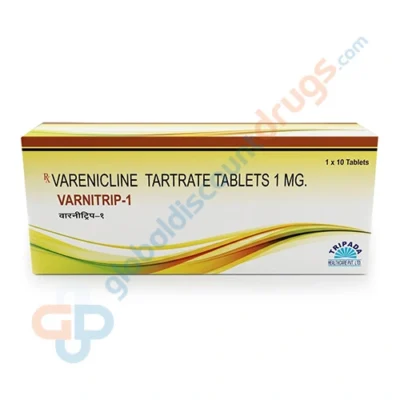
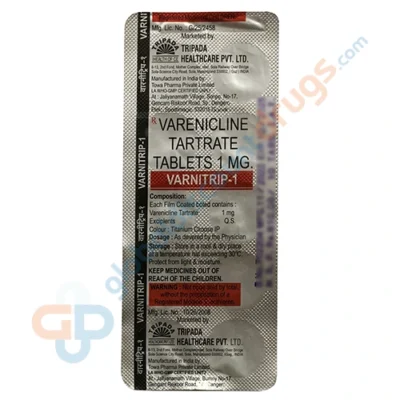
$3.72 – $4.55 per pill
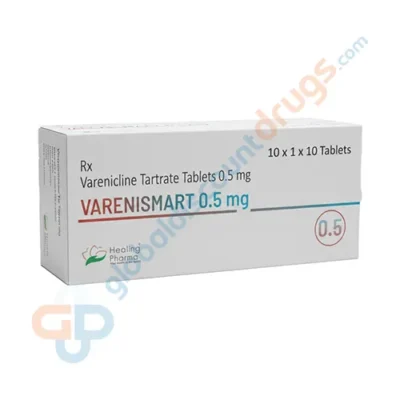
$2.13 – $2.60 per pill


$1.80 – $2.20 per pill


