Nicotine
In StockNicotine is the key alkaloid used as a replacement therapy (NRT) to help individuals quit smoking or using tobacco products. It works by binding to nicotinic cholinergic receptors in the brain, providing the psychoactive effects that ease withdrawal symptoms and cravings without the harmful components of smoke. Available in patches, gum, and lozenges, this API supports gradual cessation. Nicotine replacement is a foundational strategy in addiction medicine.

What Is Nicotine?
Nicotine is a naturally occurring chemical found in tobacco plants. As a medication, it belongs to a class of products called nicotine replacement therapy (NRT), used to support smoking and tobacco cessation, and it is also used medically in certain other product forms.
Approved uses of nicotine replacement products include:
- Helping adults reduce cravings and withdrawal symptoms when quitting smoking or other tobacco/nicotine use, typically as part of a broader cessation plan
Available formulations include:
- Transdermal patch (worn on the skin)
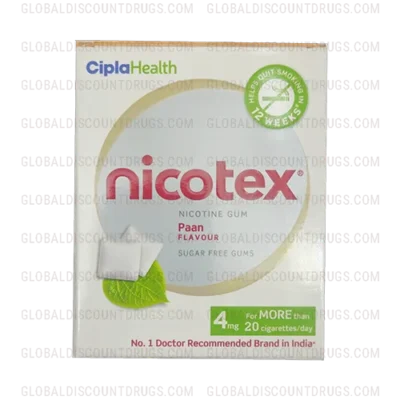
- Chewing gum
- Lozenges
- Nasal spray (prescription only in some countries)
- Oral inhaler (prescription only in some countries)
Not all forms are available without a prescription, and availability varies by country. Nicotine is also present in non-medical consumer products such as cigarettes, cigars, and e-cigarettes/vaping devices, which are regulated differently and are not part of this medical guide.
What Is the Recommended Dosage of Nicotine Replacement Products?
Dosage depends on several factors, including:
- The formulation used (patch, gum, lozenge, spray, or inhaler), since each is dosed differently
- Smoking or tobacco use history, including how many cigarettes are typically used per day and how soon after waking the first one is used — a common measure of dependence level
- Age — not intended for use by minors
- Underlying health conditions, particularly cardiovascular conditions
Available dosage forms and their typical dosing approach:
- Patch: applied once daily, with strength often reduced in stages over a set treatment period
- Gum and lozenges: used periodically throughout the day, often starting with more frequent use and gradually tapering
- Nasal spray and inhaler: used as needed for cravings, under specialist guidance
Because appropriate strength and tapering schedules vary by product and individual smoking history, patients should follow the specific product labeling or the guidance of their prescribing specialist or pharmacist rather than a general guideline.
How Nicotine Works
Nicotine acts on specific receptors in the brain (nicotinic acetylcholine receptors), which affects the release of certain brain chemicals involved in mood, alertness, and reward.
- When delivered through a controlled replacement product, nicotine helps reduce the withdrawal symptoms and cravings that occur when a person stops smoking or using tobacco.
- Over time, as the dose is gradually reduced according to a treatment plan, the goal is to help the body adjust to lower nicotine levels and ultimately stop needing nicotine altogether.
Nicotine replacement therapy supports the process of quitting tobacco use; it does not eliminate nicotine dependence on its own, and outcomes are generally improved when combined with behavioral support such as counseling or a structured cessation program.
Is a Prescription Required to Buy Nicotine Products Online?
This depends on the specific formulation and country:
- In the United States, nicotine patches, gum, and lozenges are generally available over the counter (OTC) for adults.
- Nicotine nasal spray and inhalers may require a prescription, depending on the country and product.
- Regardless of whether a prescription is required, it’s advisable to consult a primary care provider, pharmacist, or smoking cessation specialist, particularly for individuals with heart disease, high blood pressure, diabetes, or other significant health conditions.
- These products are age-restricted and not intended for sale to minors.
- Patients should avoid unverified online sources, as counterfeit or mislabeled nicotine products may deliver an inaccurate or unsafe dose.
- Only licensed, reputable pharmacies or retailers should be used to purchase nicotine replacement products.
Side Effects of Nicotine
Common Side Effects
- Skin irritation or redness at patch application site
- Mouth or throat soreness (gum, lozenge)
- Hiccups
- Heartburn or upset stomach
- Nausea
- Headache or dizziness
- Sleep disturbances, including vivid dreams (particularly with patches worn overnight)
- Nasal or throat irritation (with spray or inhaler forms)
Serious Side Effects
- Fast, pounding, or irregular heartbeat
- Chest tightness, wheezing, or difficulty breathing
- Signs of an allergic reaction, such as swelling of the face, lips, tongue, or throat
- Severe skin reaction at a patch site
- Symptoms suggesting excess nicotine intake, such as severe nausea, vomiting, cold sweats, confusion, or fainting — particularly if a product is used incorrectly or combined with continued smoking
Seek immediate medical attention for chest pain, an irregular or racing heartbeat, trouble breathing, signs of a severe allergic reaction, or symptoms suggesting nicotine overdose.
This list is not exhaustive. Report any new or worsening symptoms to a healthcare provider or pharmacist.
Drug Interactions
Nicotine itself has relatively few direct drug interactions, but the act of quitting smoking — which nicotine replacement products support — can change how the body processes other medications. Considerations include:
- Medications affected by smoking cessation, such as some diabetes medications (including insulin) and certain asthma medications, which may need dose adjustments once smoking stops
- Other nicotine-containing products, including other NRT forms, cigarettes, or e-cigarettes, which generally should not be combined without medical guidance to avoid excess nicotine exposure
- Over-the-counter (OTC) medications and supplements, which should be reviewed with a pharmacist when starting nicotine replacement therapy
Patients should tell their doctor and pharmacist about all current medications, especially insulin, other diabetes treatments, and asthma medications, before starting nicotine replacement therapy.
Safety & Important Considerations
- Heart disease: People with a history of heart attack, irregular heartbeat, or uncontrolled high blood pressure should consult a doctor before use.
- Pregnancy: Use during pregnancy should only occur under the guidance of a healthcare provider, who can weigh the risks of continued smoking against nicotine replacement therapy.
- Breastfeeding: Should be discussed with a healthcare provider before use.
- Diabetes: Quitting smoking can affect blood sugar control and insulin needs, so monitoring may be required.
- Stomach ulcers: People with a history of stomach ulcers should use caution and consult a healthcare provider.
- Skin conditions: Patch users with skin conditions or sensitivities should discuss alternatives with a healthcare provider.
- Age restrictions: Not intended for use by anyone under 18 years old; proof of age is generally required for purchase.
- Correct use matters: Overuse of any nicotine replacement form, or combining multiple forms without guidance, increases the risk of side effects and does not necessarily improve effectiveness.
- Continued tobacco use: Combining nicotine replacement therapy with continued smoking is generally not recommended, as it can increase the risk of excess nicotine exposure.
This information is not exhaustive. Any personal risk factors, especially cardiovascular or metabolic conditions, should be discussed with a healthcare provider or pharmacist.
Who This Medication Is For
Nicotine replacement products are generally intended for:
- Adults who currently smoke or use tobacco/nicotine products and want to quit
- Adults seeking to reduce withdrawal symptoms and cravings as part of a structured smoking cessation plan, ideally combined with behavioral support such as counseling
Who Should Not Take Nicotine Replacement Products
Nicotine replacement products are generally not recommended for:
- Individuals under 18 years old
- People with a known hypersensitivity to nicotine or other product ingredients
- Non-smokers or those who do not currently use nicotine/tobacco products
Additional caution or medical consultation is needed for individuals with:
- Recent heart attack or unstable heart disease
- Uncontrolled high blood pressure
- Irregular heartbeat
- Active stomach ulcers
- Diabetes requiring insulin
- Certain skin conditions (for patch use specifically)
A healthcare provider or pharmacist should be consulted before use if any of these conditions apply.
What to Do If You Miss a Dose
- Patch: If a patch is not applied at the usual time, apply a new one as soon as remembered; do not apply an extra patch to make up for missed time.
- Gum and lozenges: Because these are often used as needed for cravings in addition to a regular schedule, a missed scheduled dose does not require a “catch-up” dose. Do not double up.
- Nasal spray or inhaler: Follow the specific guidance provided by the prescribing specialist, as timing can vary by individual treatment plan.
- If following a structured tapering schedule and doses are regularly missed, consult a healthcare provider or pharmacist for guidance on staying on track.
Related medications to Nicotine Replacement Therapy
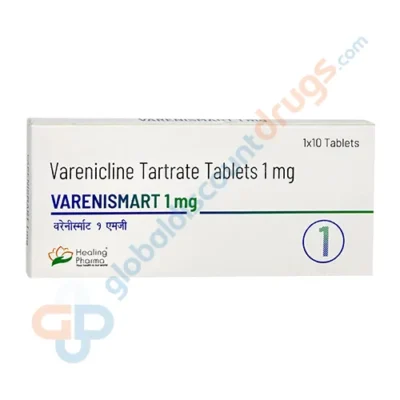
Nicotine replacement is available in different dosage forms for smoking cessation. A closely related page is Nicotine Polacrilex. Varenicline may also be linked within a broader Smoking Cessation treatment section because it has a different pharmacologic mechanism.
Storage Instructions
- Store at room temperature, away from excess heat and moisture.
- Keep products in their original packaging, tightly closed, to protect from light and air.
- Keep out of reach and sight of children and pets — nicotine products, including used patches, gum, and lozenges, can be seriously harmful, even fatal, if accidentally ingested or absorbed by a child or pet.
- Dispose of used patches, gum, and lozenges carefully, as they can still contain nicotine residue.
- Do not use expired product.
Disclaimer:
This page is for educational purposes only. It is not a substitute for professional medical advice, diagnosis, or treatment. Patients should consult a licensed healthcare provider or pharmacist before starting, changing, or stopping use of any nicotine replacement product, particularly if they have underlying health conditions. Treatment decisions must be based on a full clinical evaluation by a qualified provider.
Prescription Required (Rx) to Buy?
This medication is not available over the counter. A valid prescription from a licensed healthcare
professional is required. Always consult your doctor before use.