![Buy Varenicline 0.5mg tablet (Varenismart 0.5mg)[1] online](https://www.globaldiscountdrugs.com/wp-content/uploads/2025/02/Varenicline-0.5mg-tablet-Varenismart-0.5mg1.webp)
Varenicline
In StockVarenicline is a highly selective partial agonist of the α4β2 nicotinic acetylcholine receptor, used as a primary pharmacological aid for smoking cessation. It works by both reducing the craving for nicotine and blocking the reward sensation received if smoking occurs. This dual action significantly improves the patient’s likelihood of achieving and maintaining abstinence. Varenicline is a leading non-nicotine option in addiction medicine.

What Is Varenicline?
Varenicline is a prescription medication that belongs to a class of drugs called smoking cessation agents and works as a nicotinic receptor partial agonist.
Approved uses include:
- Smoking cessation in adults, used together with counseling and behavioral support
- In some countries, treatment of dry eye disease (a different formulation, used as a nasal spray)
Available formulations include:
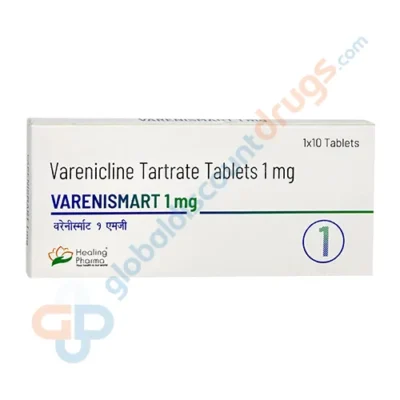
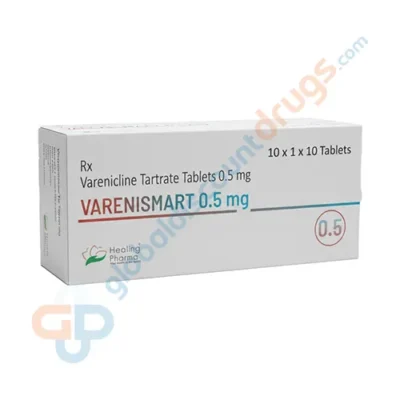
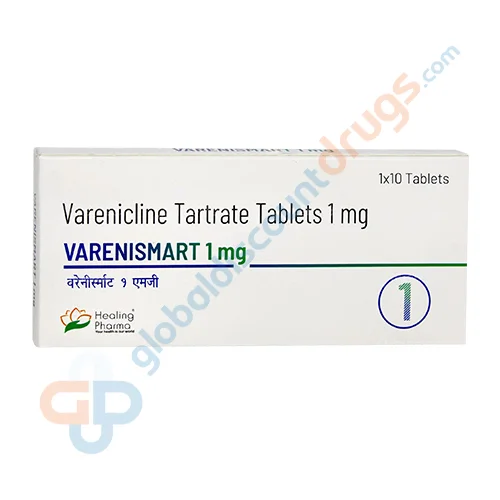
- Oral tablets (Varenicline 0.5mg, Varenicline 1mg)
- Nasal spray, used for a different, non-smoking-related indication in some countries
This guide focuses on varenicline’s use for smoking cessation, its most common and widely prescribed use.
What Is the Recommended Dosage of Varenicline?
Dosage typically follows a gradual increase over the first days and weeks of treatment, though the exact plan depends on:
- Individual tolerability, since gastrointestinal side effects like nausea are more common at higher doses
- Kidney function, since varenicline is cleared by the kidneys and dose adjustment may be needed for reduced kidney function
- Age
- Response to treatment
Available dosage form: oral tablets, generally used for about 12 weeks, sometimes extended for an additional 12 weeks in certain patients under specialist guidance.
Treatment is often started about one week before a planned quit date, and doses are typically increased gradually over the first one to two weeks to reduce nausea and other stomach-related side effects. Because the specific titration schedule and duration depend on individual response and kidney function, patients should follow the regimen set by their prescribing specialist rather than a general guideline.
How Varenicline Works
Varenicline works by partially activating specific nicotine receptors in the brain (nicotinic acetylcholine receptors).
- This partial activation causes a modest release of dopamine, which can help reduce cravings and withdrawal symptoms when quitting smoking.
- At the same time, because varenicline binds to these receptors, it can also block nicotine from tobacco from attaching to them — so if someone smokes while taking varenicline, they may experience less of the usual rewarding effect.
Varenicline supports the process of quitting smoking; it does not guarantee success on its own, and outcomes are generally improved when combined with counseling or behavioral support programs.
Is a Prescription Required to Buy Varenicline Online?
Yes. Varenicline is available only by prescription.
- Patients should consult a primary care provider or smoking cessation specialist before starting treatment.
- Because varenicline has specific considerations related to mental health history, kidney function, and alcohol interactions, a full evaluation by a prescribing specialist is important before beginning treatment.
- Patients should avoid any online source offering varenicline without requiring a valid prescription, as such products may be counterfeit or unsafe.
- Only licensed, verified pharmacies should be used to obtain this medication.
Side Effects of Varenicline
Common Side Effects
- Nausea (the most common side effect, sometimes persisting for weeks to months)
- Insomnia (trouble sleeping)
- Abnormal or vivid dreams
- Headache
- Constipation, gas, or bloating
- Nasal or throat irritation
Serious Side Effects
- Changes in mood or behavior, including agitation, hostility, depressed mood, or unusual behavior
- Suicidal thoughts or behavior
- Seizures (reported in some patients, more often within the first month of use)
- Signs of a heart attack or stroke, particularly in patients with existing cardiovascular disease
- Severe allergic reactions or serious skin reactions
- Changes in alcohol tolerance, including increased intoxication, unusual or aggressive behavior, or blacking out when drinking alcohol while taking varenicline
Seek immediate medical attention for chest pain, sudden weakness or numbness (especially on one side of the body), slurred speech, a seizure, thoughts of self-harm, or any sudden and unusual change in mood or behavior.
This list is not exhaustive. Report any new or worsening symptoms to a healthcare provider promptly. Family members and caregivers should also stay alert to changes in mood or behavior during treatment.
Drug Interactions
Varenicline has relatively few direct drug interactions, but important considerations include:
- Alcohol: Varenicline can change how the body responds to alcohol, potentially increasing intoxication or the risk of unusual or aggressive behavior; patients are generally advised to limit alcohol intake while taking this medication until they know how it affects them.
- Medications affected by smoking cessation: Once a person stops smoking, doses of certain other medications (such as insulin or some asthma medications) may need to be adjusted, since smoking affects how these drugs are processed.
- Other nicotine replacement products: Combining varenicline with nicotine replacement therapy is generally not recommended without specific medical guidance.
- Over-the-counter (OTC) medications and supplements: Should be reviewed with a pharmacist before starting treatment.
Patients should provide their prescribing specialist and pharmacist with a complete list of current medications, OTC products, and supplements before starting varenicline.
Safety & Important Considerations
- Kidney disease: Since varenicline is cleared through the kidneys, dose adjustment may be needed for patients with reduced kidney function.
- Mental health history: Patients and caregivers should be aware of the potential for mood or behavior changes during treatment; varenicline previously carried an FDA boxed warning for neuropsychiatric events, which was removed in 2016 after a large clinical trial did not find an increased risk compared with other treatments, though warnings about possible mood and behavior changes remain in the product labeling.
- Cardiovascular disease: Patients with existing heart or blood vessel disease should discuss the potential small increase in cardiovascular risk with their prescribing specialist before starting treatment.
- Seizure history: Patients with a history of seizures should discuss this with their specialist, as varenicline has been linked to reports of seizures.
- Pregnancy: Use during pregnancy should only occur under specialist guidance, weighing the risks of continued smoking against those of medication use.
- Breastfeeding: Should be discussed directly with the prescribing specialist.
- Older adults: May require dose adjustment based on kidney function.
This information is not exhaustive. Any personal risk factors — particularly related to mental health, cardiovascular health, or kidney function — should be discussed directly with the prescribing specialist.
Who This Medication Is For
Varenicline is generally prescribed for:
- Adults who currently smoke and want to quit, typically as part of a broader smoking cessation plan that includes counseling or behavioral support
Who Should Not Take Varenicline
Varenicline should not be used by individuals with:
- A known hypersensitivity to varenicline or its components
Additional caution or specialist evaluation is needed for patients with:
- A history of seizures
- Significant kidney impairment
- A history of depression, mood disorders, or suicidal thoughts or behavior
- Cardiovascular disease
- Regular or heavy alcohol use
A full medical history should always be reviewed by the prescribing specialist before starting varenicline.
What to Do If You Miss a Dose
- If a dose of varenicline is missed, contact the prescribing specialist or pharmacist for guidance, as instructions can vary based on where a patient is in the titration schedule.
- Do not take a double dose to make up for a missed one unless specifically instructed to do so.
- If a dose is missed close to the time of the next scheduled dose, do not guess — check with the care team first.
- Missing multiple doses, especially during the initial dose-adjustment period, may require restarting the titration schedule; this should be discussed with the prescribing specialist.
Related medications to Varenicline
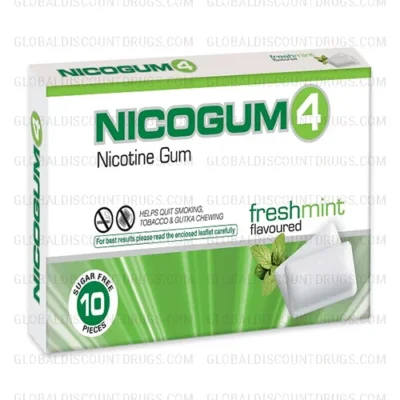
Varenicline is a nicotinic receptor partial agonist used as an aid to smoking cessation. Related smoking-cessation pages include Nicotine Polacrilex and Nicotine. These treatments work differently and have separate dosing and safety considerations.
Storage Instructions
- Store tablets at room temperature, protected from excess heat and moisture.
- Keep in the original, tightly closed container, away from direct light.
- Keep out of the reach and sight of children and pets.
- Do not use expired medication; consult a pharmacist with any disposal questions.
Disclaimer:
This page is for educational purposes only. It is not a substitute for professional medical advice, diagnosis, or treatment. Patients must consult a licensed medical specialist before starting, changing, or stopping varenicline. Treatment decisions must be based on a full clinical evaluation by a qualified specialist.
Prescription Required (Rx) to Buy?
This medication is not available over the counter. A valid prescription from a licensed healthcare
professional is required. Always consult your doctor before use.