
No products in the cart.

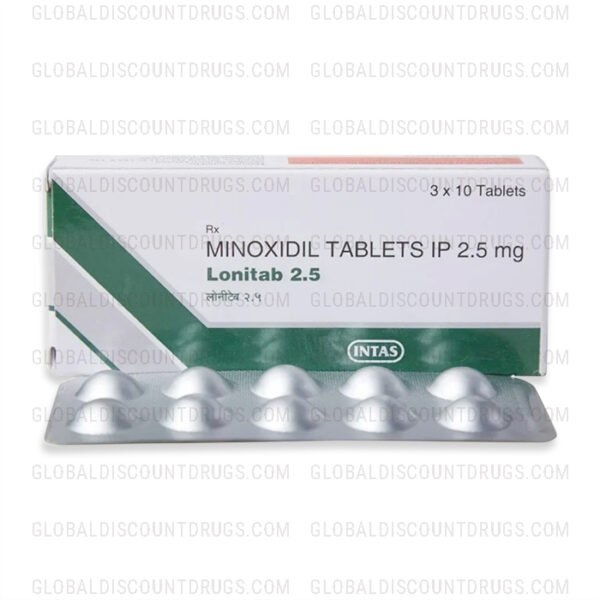


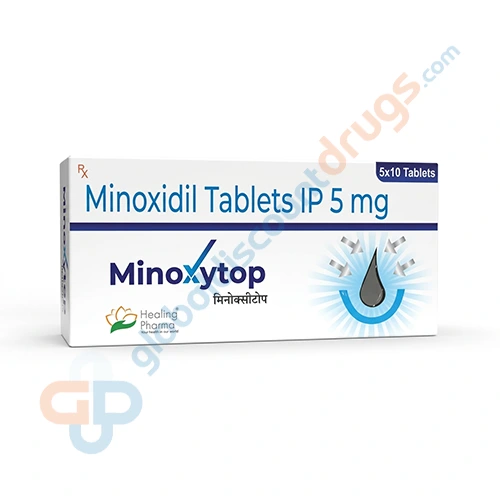
Minoxidil
In StockMinoxidil is a medicine used to treat hair loss, including androgenetic alopecia (pattern hair loss), and may also be prescribed for certain cases of high blood pressure. It works by widening blood vessels and improving blood flow to hair follicles, which helps support hair growth and slow hair thinning. Use as directed on the product label or by a healthcare professional.
$1.09 per pill
What is Minoxidil?
Minoxidil is a medication used to treat certain hair loss conditions and, in some cases, high blood pressure. It belongs to a class of medicines known as vasodilators, which help widen blood vessels.
Minoxidil is commonly used in two different ways:
Topical minoxidil applied to the scalp for hair loss
Oral minoxidil tablets used to treat severe or resistant high blood pressure
Healthcare professionals may recommend minoxidil for:
Androgenetic alopecia (male or female pattern hair loss)
Hair thinning on the scalp
Severe hypertension that does not respond to other treatments (oral form)
Topical minoxidil helps improve hair growth in some individuals, but it does not cure hair loss. Continued use is usually required to maintain results.
Available formulations and strengths
Minoxidil may be available in several forms:
Topical formulations
Topical solution
Topical foam
Common strengths include:
2% topical solution
5% topical solution or foam
Oral formulations
Oral tablets used for resistant hypertension
The formulation prescribed depends on the condition being treated.
What is the Recommended Dosage of Minoxidil?
The appropriate dosage of minoxidil depends on the condition being treated and the form of the medication.
Factors that influence dosage
Healthcare professionals determine dosing based on:
Type of condition (hair loss or hypertension)
Age
Body weight (in some cases)
Medical history
Other medications being taken
Response to treatment
Available dosage forms
Minoxidil may be used as:
Topical solution applied to the scalp
Topical foam applied to the scalp
Oral tablets for blood pressure treatment
For hair loss, topical minoxidil is typically applied directly to the affected scalp area.
For hypertension, oral minoxidil is used only under strict medical supervision because it can significantly affect blood pressure and heart function.
Patients should follow the instructions provided by their healthcare professional or product labeling.
How Minoxidil Works
Minoxidil works by widening blood vessels, which improves blood flow.
In hair loss treatment
When applied to the scalp, minoxidil is believed to:
Increase blood flow to hair follicles
Prolong the growth phase of hair follicles
Stimulate inactive hair follicles
These effects may promote hair regrowth and thicker hair strands in some individuals.
In hypertension treatment
When taken orally, minoxidil acts as a powerful vasodilator, relaxing the muscles in blood vessel walls. This helps:
Reduce resistance in blood vessels
Lower blood pressure
Improve circulation
Minoxidil helps manage symptoms but does not cure the underlying condition.
Is a Prescription Required to Buy Minoxidil Online?
The prescription status of minoxidil depends on the formulation.
Topical minoxidil for hair loss is available over the counter in many countries
Oral minoxidil tablets require a prescription
Even when topical products are available without a prescription, consultation with a licensed medical specialist may be helpful.
Patients may seek guidance from:
Dermatologists for hair loss treatment
Primary care physicians or cardiologists for blood pressure management
Patients should purchase medications only from licensed pharmacies or reputable retailers to reduce the risk of counterfeit products.
Side Effects of Minoxidil
Minoxidil may cause side effects, particularly during the early stages of treatment.
Common side effects
Commonly reported side effects include:
Scalp irritation
Dry or flaky scalp
Itching
Unwanted hair growth in nearby areas
Temporary increase in hair shedding during early treatment
These effects often improve as treatment continues.
Serious side effects
Serious side effects are uncommon but may occur.
Possible serious reactions include:
Chest pain
Rapid heartbeat
Swelling of hands or feet
Sudden weight gain
Severe dizziness
Allergic reactions
Patients experiencing severe symptoms should seek immediate medical attention.
Drug Interactions
Minoxidil may interact with certain medications, particularly when taken orally.
Medicines that may interact
Possible interactions may occur with:
Blood pressure medications
Diuretics
Beta-blockers
Certain heart medications
These combinations may affect blood pressure control or cardiovascular function.
OTC medications and supplements
Patients should inform their healthcare professional about:
Herbal supplements
Over-the-counter medications
Hair treatments or scalp products
Providing a complete list of medications helps reduce the risk of interactions.
Safety & Important Considerations
Several safety precautions should be considered when using minoxidil.
Scalp condition
Topical minoxidil should not be applied to:
Broken or irritated skin
Infected scalp areas
Sunburned scalp
Initial hair shedding
Some individuals experience temporary hair shedding when starting treatment. This may occur because older hairs are replaced by new growth.
Cardiovascular effects
Oral minoxidil may cause:
Fluid retention
Rapid heart rate
Changes in blood pressure
Therefore, oral use requires careful medical monitoring.
Pregnancy and breastfeeding
The safety of minoxidil during pregnancy or breastfeeding is not fully established. Patients should consult a healthcare professional before use.
Who This Medication Is For
Minoxidil may be used by individuals who:
Have male or female pattern hair loss
Experience hair thinning on the scalp
Have severe hypertension requiring specialized treatment (oral form)
Treatment suitability depends on the patient’s diagnosis and overall health.
Who Should Not Take Minoxidil
Minoxidil may not be appropriate for certain individuals.
Patients should avoid or use caution if they:
Are allergic to minoxidil or related ingredients
Have certain heart conditions
Have scalp infections or severe scalp irritation
Have untreated cardiovascular disorders when considering oral therapy
Individuals with complex medical conditions should consult a healthcare professional before starting treatment.
What to Do If You Miss a Dose
If a dose of minoxidil is missed:
Topical minoxidil
Apply the next dose at the regular scheduled time
Do not apply extra amounts to make up for the missed dose
Oral minoxidil
Take the missed dose as soon as remembered
Skip it if it is close to the next scheduled dose
Patients should not take two doses at the same time.
Alternatives to Minoxidil
Several treatments may be used to manage hair loss or hypertension.
For hair loss
Finasteride
Low-level laser therapy
Platelet-rich plasma (PRP) therapy
Prescription topical treatments recommended by dermatologists
For hypertension
ACE inhibitors
Angiotensin receptor blockers
Calcium channel blockers
Diuretics
Treatment selection depends on the patient’s condition and medical history.
Storage Instructions
Proper storage helps maintain medication effectiveness.
General storage recommendations include:
Store at room temperature
Protect from excess heat and moisture
Keep away from direct sunlight
Keep containers tightly closed
Medications should always be kept out of reach of children and pets.
Disclaimer:
This page is for educational purposes only.
It is not a substitute for professional medical advice, diagnosis, or treatment.
Patients must consult a licensed dermatologist, cardiologist, or other qualified medical specialist before starting, changing, or stopping treatment with minoxidil.
All treatment decisions should be based on a complete clinical evaluation by a qualified healthcare professional.

$45.74 per pill


$0.90 – $1.10 per pill

$0.94 – $1.14 per pill


$1.58 – $1.94 per pill


