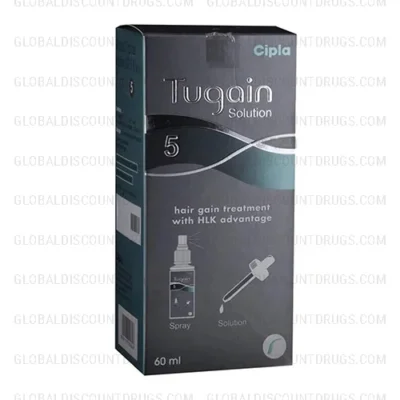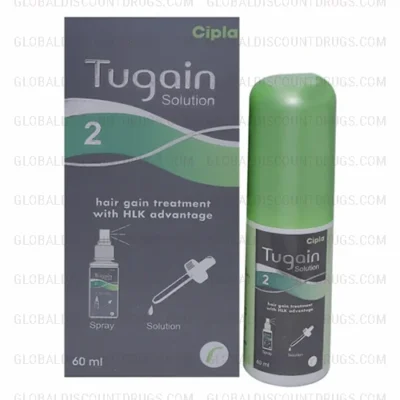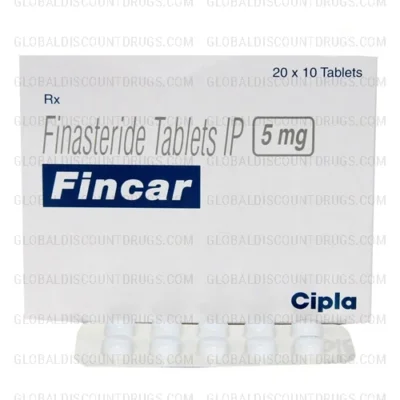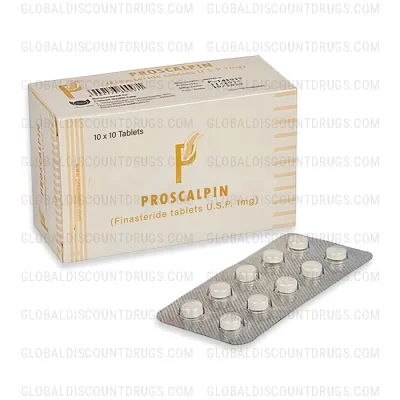

Minoxidil-Finasteride
In StockMinoxidil-Finasteride is a powerful combination therapy for treating male pattern baldness (androgenic alopecia). Minoxidil is a topical vasodilator that stimulates hair growth by increasing blood flow and extending the hair growth phase. Finasteride is an oral (or sometimes topical) 5-alpha reductase inhibitor that blocks the conversion of testosterone to DHT, the hormone responsible for hair follicle miniaturization. This dual approach addresses both hair follicle health and the hormonal cause of hair loss.

What is Minoxidil-Finasteride?
Minoxidil-finasteride is a combination treatment that pairs two medications used to manage hair loss: minoxidil and finasteride. These two ingredients work through different mechanisms and are often combined into a single topical formulation, or prescribed together as separate products, to address hair thinning more comprehensively than either medication alone.
Drug classes:
- Minoxidil belongs to a class of medications known as vasodilators, originally developed to treat high blood pressure. In topical form, it is used specifically to stimulate hair growth.
- Finasteride belongs to a class of medications called 5-alpha-reductase inhibitors, which reduce the production of a hormone linked to certain types of hair loss.
Approved and common uses:
- Androgenetic alopecia (male pattern hair loss)
- Female pattern hair thinning (minoxidil is approved for this use; finasteride is generally not, except in select cases under specialist supervision)
Available formulations:
- Topical solution or foam (minoxidil, typically 2% or 5%)
- Topical spray or serum combining minoxidil and finasteride
- Oral tablets (finasteride, typically 1 mg for hair loss or 5 mg for other approved uses)
- Compounded topical finasteride, sometimes combined with minoxidil in a single applicator
Formulation and strength depend on the individual’s diagnosis, treatment goals, and the prescribing specialist’s recommendation.
What is the Recommended Dosage of Minoxidil-Finasteride?
Dosage for this combination varies based on several factors, and there is no single “correct” dose that applies to everyone. Variables that influence dosing include:
- Condition being treated: The extent and pattern of hair loss can affect formulation strength and frequency.
- Age: Dosing considerations differ for younger adults, older adults, and are generally not applicable to children.
- Body weight: While less central to topical use, weight may be considered for oral formulations.
- Organ function: Liver function is particularly relevant for oral finasteride, as it is metabolized in the liver.
Available dosage forms include topical solutions, foams, sprays, and oral tablets, as outlined above.
Because appropriate dosing depends on a full clinical evaluation, patients should not determine their own dose or adjust it without guidance. Dosing must always follow the instructions of a licensed medical specialist, such as a dermatologist, who can assess the individual’s health history and treatment response.
How Minoxidil-Finasteride Works
Minoxidil widens blood vessels in the scalp, which is believed to increase blood flow, oxygen, and nutrient delivery to hair follicles. This may help prolong the growth phase of the hair cycle and stimulate follicles that have become smaller over time.
Finasteride works differently. It blocks an enzyme called 5-alpha-reductase, which converts testosterone into dihydrotestosterone (DHT). DHT is a hormone associated with the shrinking of hair follicles in people genetically predisposed to pattern hair loss. By lowering DHT levels, finasteride may slow further hair loss and, in some individuals, support regrowth.
Used together, these medications target hair loss through two separate biological pathways. It is important to understand that this combination manages hair loss and may improve hair density in some patients, but it does not cure the underlying genetic predisposition to hair loss. Results vary between individuals, and continued use is typically required to maintain any benefit.
Is a Prescription Required to Buy Minoxidil-Finasteride Online?
- Topical or oral finasteride (alone or combined with minoxidil) requires a prescription, as finasteride is a prescription-only medication.
- Minoxidil alone, in certain over-the-counter strengths, may be available without a prescription in some regions, but combination products containing finasteride require one.
Patients should consult a licensed dermatologist or other qualified medical specialist before starting treatment. A specialist can confirm the diagnosis, rule out other causes of hair loss, and determine whether this combination is appropriate.
Important safety warning: Patients should be cautious of products sold online without requiring a prescription, as these may be counterfeit, improperly dosed, or unsafe. Veterinary formulations of minoxidil or finasteride should never be used in humans. Medications should be purchased only from licensed, verified pharmacies.
Side Effects of Minoxidil-Finasteride
Common Side Effects
- Scalp irritation, dryness, itching, or redness (typically from topical minoxidil)
- Unwanted facial or body hair growth (from minoxidil, particularly if applied incorrectly)
- Mild headache or lightheadedness
- Sexual side effects such as decreased libido or difficulty with erections (associated with finasteride in a subset of users)
- Initial temporary shedding of hair in the first few weeks of treatment (a recognized, usually self-limiting response to minoxidil)
Serious Side Effects
- Significant chest pain, rapid or irregular heartbeat, or swelling of the hands, feet, or face
- Signs of an allergic reaction, such as difficulty breathing, hives, or swelling of the face, lips, or throat
- Persistent or worsening mood changes, including new or worsening depression (reported rarely with finasteride)
- Breast tenderness, enlargement, or lumps (rare, associated with finasteride)
- Fainting or severe dizziness
Seek immediate medical attention if any serious symptoms occur. This list is not exhaustive, and patients should report any unusual or concerning symptoms to their specialist promptly.
Drug Interactions
Certain substances may interact with minoxidil, finasteride, or both, potentially affecting how the medications work or increasing the risk of side effects. Categories to be aware of include:
- Other blood pressure medications, which may interact with minoxidil
- Other hormone-related medications, which may interact with finasteride
- Over-the-counter (OTC) medications, including certain topical products applied to the scalp
- Supplements and herbal products, some of which may affect hormone levels or blood pressure
Patients should provide their licensed medical specialist with a complete list of all medications, supplements, and herbal products they are currently taking, including those used occasionally, before starting this treatment.
Safety & Important Considerations
- Liver disease: Because finasteride is processed by the liver, individuals with liver conditions should discuss this treatment carefully with their specialist.
- Kidney disease: Relevant primarily for absorption and monitoring; should be disclosed to the prescribing specialist.
- Pregnancy and breastfeeding: Finasteride is not recommended during pregnancy and must not be handled by pregnant individuals, as it can affect fetal development, particularly in male fetuses. Crushed or broken tablets should not be touched by anyone who is or may become pregnant. Minoxidil use during pregnancy or breastfeeding should also be discussed with a specialist.
- Age-related considerations: This combination is not intended for use in children. Older adults may require closer monitoring due to other health conditions or medications.
- Monitoring: Some specialists recommend periodic follow-up visits to assess treatment response and side effects, and in certain cases, laboratory monitoring related to hormone levels.
- FDA safety communications: Regulatory agencies have issued information regarding rare psychiatric and sexual side effects associated with finasteride; patients should discuss current safety information with their specialist.
This medication should be used strictly according to its approved indication; using it for unapproved purposes should only be considered under direct specialist guidance.
Who This Medication Is For
This combination is generally intended for adults diagnosed with androgenetic (pattern) hair loss who have been evaluated by a licensed specialist. It is typically considered for:
- Adult men with male pattern hair loss
- In some cases, adult women with pattern hair thinning, under specialist supervision (particularly regarding the minoxidil component)
Suitability depends on an individual clinical evaluation, including health history, the pattern and cause of hair loss, and other medications being used.
Who Should Not Take Minoxidil-Finasteride
This combination may not be appropriate for:
- Individuals who are pregnant, breastfeeding, or may become pregnant
- Children and adolescents
- Individuals with a known allergy or hypersensitivity to minoxidil, finasteride, or related ingredients
- Individuals with certain heart conditions, without specialist evaluation (relevant to minoxidil)
- Individuals with active liver disease, without specialist evaluation (relevant to finasteride)
- Individuals with hair loss caused by conditions other than androgenetic alopecia, unless directed otherwise by a specialist
A licensed specialist should review an individual’s full medical history before treatment begins to identify any additional precautions.
What to Do If You Miss a Dose
- Topical applications: If a dose is missed, apply it as soon as remembered. If it is close to the time of the next scheduled application, skip the missed dose and resume the regular schedule. Do not apply extra product to make up for a missed dose.
- Oral finasteride: If a dose is missed, take it as soon as remembered unless it is nearly time for the next dose, in which case the missed dose should be skipped. Do not take a double dose.
If there is uncertainty about how to proceed after a missed dose, patients should contact their licensed medical specialist or pharmacist for guidance.
Related medications to Minoxidil-Finasteride
Other treatment options within the same general therapeutic category may include:
- Topical minoxidil used alone (without finasteride)
- Other 5-alpha-reductase inhibitors, used under specialist guidance
- Low-level laser therapy devices, sometimes used as a complementary approach
- Other prescription or procedural treatments for hair loss, depending on diagnosis
These alternatives are not necessarily equivalent in effectiveness or suitability. Switching treatments should only be done in consultation with a licensed medical specialist, who can evaluate whether an alternative is appropriate for the individual’s specific situation.
Storage Instructions
- Store at room temperature, generally away from excessive heat or cold, following the specific product label.
- Keep away from direct sunlight and excess moisture, such as bathroom humidity, unless the label indicates otherwise.
- Keep the container tightly closed when not in use.
- Store out of reach of children and pets, as accidental ingestion can be harmful.
- Do not use past the expiration date printed on the packaging.
- Dispose of unused or expired medication according to local guidelines or pharmacy take-back programs.
Disclaimer:
This page is for educational purposes only. It is not a substitute for professional medical advice, diagnosis, or treatment. Patients must consult a licensed dermatologist or other relevant medical specialist before starting, changing, or stopping this treatment. Treatment decisions must be based on a full clinical evaluation by a qualified specialist familiar with the patient’s individual health history.
Prescription Required (Rx) to Buy?
This medication is not available over the counter. A valid prescription from a licensed healthcare
professional is required. Always consult your doctor before use.