
No products in the cart.
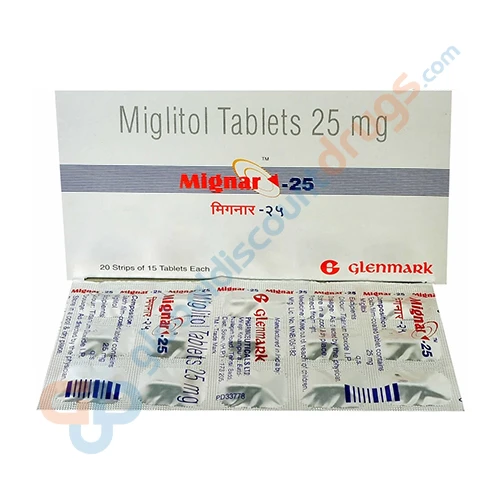
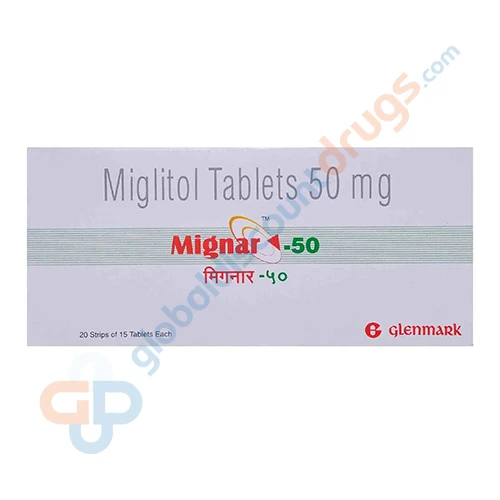
Miglitol
In StockMiglitol is a prescription medicine used to help manage type 2 diabetes mellitus by improving blood glucose control after meals. It belongs to the alpha-glucosidase inhibitor class and works by slowing the digestion and absorption of carbohydrates in the small intestine. This action helps reduce post-meal blood sugar spikes. Use only as directed on the product label or by a healthcare professional.
$0.72 per pill
What is Miglitol?
Miglitol is a prescription medication used to help manage type 2 diabetes mellitus. It belongs to a class of medicines known as alpha-glucosidase inhibitors, which work in the digestive system to slow the breakdown of certain carbohydrates.
Healthcare professionals may prescribe miglitol to help control post-meal blood sugar levels in adults with type 2 diabetes, usually alongside lifestyle measures such as diet and physical activity.
Miglitol is typically used when lifestyle changes alone do not adequately control blood glucose levels.
Available formulations and strengths
Miglitol is commonly available as:
Oral tablets
Tablet strengths may vary depending on manufacturer and country. Individual strength pages may provide details about specific formulations and dosing guidance.
What is the Recommended Dosage of Miglitol?
The appropriate dosage of miglitol varies for each patient and must be determined by a qualified healthcare professional.
Factors influencing dosage
Doctors consider several factors when prescribing miglitol, including:
The severity of type 2 diabetes
Current blood glucose levels
Age and overall health
Kidney function
Response to treatment
Other medications being taken
Available dosage form
Miglitol is commonly prescribed as:
Oral tablets taken with meals
Because miglitol works during digestion, healthcare providers usually recommend taking it at the start of a meal.
Patients should always follow the exact instructions provided by their licensed medical specialist. Dosage adjustments may occur depending on treatment response and tolerance.
How Miglitol Works
Miglitol helps manage blood sugar levels by acting in the small intestine during digestion.
Normally, enzymes in the digestive system break down complex carbohydrates into simple sugars that quickly enter the bloodstream. Miglitol slows this process by blocking enzymes called alpha-glucosidases.
This results in:
Slower carbohydrate digestion
Gradual absorption of glucose into the bloodstream
Reduced spikes in blood sugar after meals
Miglitol helps control blood glucose levels, but it does not cure diabetes. Patients must usually continue long-term management strategies, including:
Balanced diet
Regular physical activity
Blood sugar monitoring
Other prescribed diabetes medications when necessary
Is a Prescription Required to Buy Miglitol Online?
Yes. Miglitol is a prescription-only medication in most countries.
A licensed healthcare professional—typically an endocrinologist, diabetologist, or primary care physician—must evaluate the patient and determine whether miglitol is appropriate.
Patients considering purchasing medication online should:
Use licensed and regulated pharmacies
Avoid websites that sell prescription medicines without a valid prescription
Be cautious of counterfeit or unverified products
Using medications obtained from unverified sources may increase the risk of receiving incorrect or unsafe products.
Side Effects of Miglitol
Like all medications, miglitol may cause side effects. Not everyone experiences them, and many are mild.
Common Side Effects
These effects are usually related to digestion and may improve as the body adjusts to the medicine.
Common side effects may include:
Gas or flatulence
Abdominal discomfort
Bloating
Diarrhea
Mild stomach pain
These symptoms occur because undigested carbohydrates are fermented by bacteria in the intestine.
Serious Side Effects
Serious side effects are uncommon but may occur.
Seek immediate medical attention if symptoms such as the following appear:
Severe abdominal pain
Persistent diarrhea
Signs of allergic reaction (rash, swelling, difficulty breathing)
Unusual fatigue or weakness
In rare cases, significant digestive complications may require medical evaluation.
Drug Interactions
Miglitol may interact with other medications or substances that affect blood sugar or digestion.
Important interaction categories include:
Diabetes medications
Combining miglitol with other diabetes drugs may increase the risk of low blood sugar (hypoglycemia).
Examples include:
Insulin
Sulfonylureas
Other oral diabetes medications
Digestive enzyme products
Some digestive enzyme supplements may reduce the effectiveness of miglitol.
Activated charcoal or intestinal absorbents
These products may interfere with how miglitol works in the digestive tract.
Over-the-counter medications and supplements
Patients should inform their healthcare provider about:
Vitamins and minerals
Herbal supplements
Digestive aids
Over-the-counter medications
Providing a complete medication list helps healthcare professionals evaluate potential interactions safely.
Safety & Important Considerations
Certain health conditions may require special monitoring when using miglitol.
Kidney function
Miglitol is cleared through the kidneys. Patients with significant kidney disease may require alternative treatments.
Digestive disorders
Miglitol may not be appropriate for individuals with certain gastrointestinal conditions, including:
Chronic intestinal diseases
Inflammatory bowel disease
Intestinal obstruction
Pregnancy and breastfeeding
There is limited information on miglitol use during pregnancy or breastfeeding. Treatment decisions should be made in consultation with a qualified healthcare professional.
Monitoring requirements
Patients using miglitol may require periodic monitoring, including:
Blood glucose levels
HbA1c testing
Kidney function tests if necessary
Regular monitoring helps healthcare providers assess treatment effectiveness and safety.
Who This Medication Is For
Miglitol is typically prescribed for adults with type 2 diabetes who need additional support controlling blood sugar levels after meals.
It may be recommended for patients who:
Have difficulty controlling post-meal glucose spikes
Are following diet and exercise programs but require medication support
Cannot tolerate certain other diabetes medications
Miglitol is usually used as part of a comprehensive diabetes management plan that may include lifestyle changes and other medications.
Who Should Not Take Miglitol
Miglitol may not be appropriate for certain individuals.
Patients should avoid using miglitol if they have:
Severe kidney impairment
Chronic intestinal diseases
Inflammatory bowel disease
Intestinal blockage or obstruction
Known allergy to miglitol or related medications
Healthcare professionals carefully evaluate medical history before prescribing the medication.
What to Do If You Miss a Dose
If a dose of miglitol is missed:
Take the medication with the next meal if it is still appropriate.
If the meal has already finished, skip the missed dose.
Do not take two doses at the same time to make up for a missed dose.
If missed doses occur frequently, patients should speak with their licensed healthcare provider for guidance.
Alternatives to Miglitol
Several medications are used to help manage type 2 diabetes. Alternative treatments may include other drug classes depending on the patient’s condition.
Examples include:
Acarbose (another alpha-glucosidase inhibitor)
Metformin (a biguanide)
Sulfonylureas
DPP-4 inhibitors
SGLT2 inhibitors
The choice of treatment depends on factors such as blood glucose levels, other medical conditions, and treatment goals.
Patients should not change medications without consulting a qualified healthcare professional.
Storage Instructions
Proper storage helps maintain medication quality and safety.
General storage guidelines include:
Store at room temperature
Keep tablets away from excess heat, moisture, and direct light
Store in the original packaging when possible
Keep out of reach of children and pets
Expired or unused medication should be disposed of according to local pharmacy guidelines.
Disclaimer
Educational Use Only
This page is intended for educational purposes only. It is not a substitute for professional medical advice, diagnosis, or treatment.
Patients must consult a licensed endocrinologist, diabetologist, or qualified healthcare professional before starting, changing, or stopping miglitol treatment.
All treatment decisions must be based on a full clinical evaluation and medical history review by a qualified specialist.

$0.59 – $0.72 per pill


$1.06 – $1.30 per pill


$1.84 – $2.25 per pill
$2.25 – $2.75 per pill


