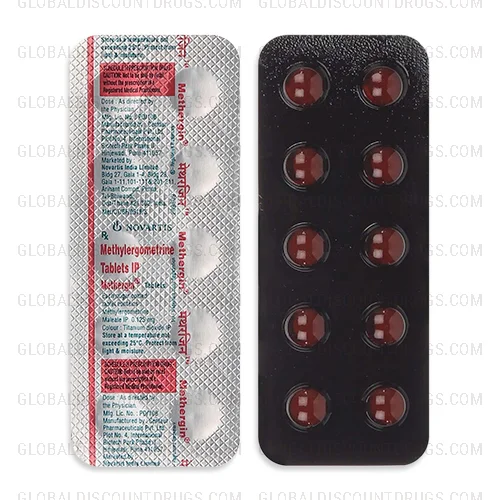
What is Methylergometrine/Methylergonovine 0.125mg Used For?
Methylergometrine (also known as Methylergonovine) 0.125mg is primarily used to prevent or treat postpartum hemorrhage (excessive bleeding after childbirth). It works by helping the uterus contract after delivery, which reduces the risk of excessive blood loss. It can also be used to manage uterine atony (a condition where the uterus fails to contract after childbirth), ensuring that the uterus returns to its normal size and function. Methylergometrine is often administered in hospital settings under careful medical supervision.
How to Take Methylergometrine/Methylergonovine 0.125mg?
Methylergometrine 0.125mg is typically administered by a healthcare provider in the form of an injection after childbirth. The medication is usually given either intramuscularly or intravenously in a hospital setting. It is important that this medication is taken under the supervision of a healthcare professional, as it can cause side effects and requires monitoring.
Dosage Instructions
- For Postpartum Hemorrhage: The typical dose of Methylergometrine is 0.125mg administered every 2 to 4 hours as needed to control uterine bleeding, not exceeding 0.5mg in a 24-hour period.
- For Uterine Atony: The dose and frequency will depend on the severity of the condition and will be tailored by the healthcare provider.
Always follow the instructions of your healthcare provider, and do not exceed the prescribed dosage.
Side Effects
Common side effects of Methylergometrine 0.125mg include:
- Nausea or vomiting
- Headache
- Dizziness
- High blood pressure (hypertension)
- Abdominal pain
More serious side effects, though rare, can include chest pain, shortness of breath, or severe headache, which may indicate high blood pressure or cardiovascular complications. If you experience these symptoms, seek immediate medical attention. Regular monitoring of blood pressure is necessary during treatment.
Drug Interactions
Methylergometrine can interact with various medications. Some of the key interactions include:
- Antihypertensive medications: Methylergometrine can increase blood pressure, potentially counteracting the effects of medications used to lower blood pressure.
- Ergot alkaloids: Combining Methylergometrine with other ergot-based medications can increase the risk of severe side effects, such as vasoconstriction (narrowing of blood vessels).
- Cytochrome P450 inhibitors: These may affect the metabolism of Methylergometrine, leading to higher levels in the blood.
Always inform your healthcare provider about all medications you are taking, including over-the-counter drugs and supplements.
Warnings
- Pregnancy: Methylergometrine should only be used in pregnancy when absolutely necessary, typically after delivery. It is not recommended during pregnancy unless used under careful medical supervision.
- Heart Disease: Individuals with a history of heart disease or high blood pressure should use Methylergometrine with caution, as it can elevate blood pressure and cause cardiovascular complications.
- Liver or Kidney Impairment: People with liver or kidney conditions may need adjusted dosages or extra monitoring during treatment with Methylergometrine.
- Breastfeeding: Methylergometrine passes into breast milk in small amounts. Consult your doctor if you are breastfeeding before taking this medication.
Storage
Methylergometrine 0.125mg should be stored in a cool, dry place, away from direct sunlight and moisture. It should be kept in its original packaging, and out of reach of children. The medication should not be stored in the bathroom due to humidity, and it should be discarded after the expiration date.