
No products in the cart.

Glipizide-Metformin
In StockGlipizide–Metformin is a prescription medicine used to manage type 2 diabetes mellitus by helping control blood sugar levels. It combines a sulfonylurea that stimulates insulin release from the pancreas with metformin, which helps reduce glucose production in the liver and improves insulin sensitivity. These actions support better glycemic control. Use as directed on the product label or by a healthcare professional.
$0.61 per pill
What is Glipizide–Metformin?
Glipizide–Metformin is a prescription medication used to help control blood sugar levels in people with type 2 diabetes mellitus. It is a combination medicine that contains two different antidiabetic drugs that work together to improve glucose control.
Drug classes included in this medication:
Glipizide – a sulfonylurea, which stimulates the pancreas to release insulin
Metformin – a biguanide, which helps reduce glucose production in the liver and improves the body’s response to insulin
Approved and common uses
Healthcare professionals may prescribe glipizide–metformin for:
Management of type 2 diabetes mellitus
Improving blood glucose control when diet, exercise, or single-drug therapy is not sufficient
Supporting long-term metabolic control as part of a comprehensive diabetes management plan
This medication helps regulate blood sugar levels but does not cure diabetes. Lifestyle measures such as diet and physical activity remain important components of treatment.
Available formulations and strengths
Glipizide–metformin is typically available as:
Oral tablets
Common combination strengths may include:
2.5 mg glipizide / 250 mg metformin
2.5 mg glipizide / 500 mg metformin
5 mg glipizide / 500 mg metformin
Available strengths may vary depending on the manufacturer and country.
What is the Recommended Dosage of Glipizide–Metformin?
The appropriate dosage must be determined by a licensed healthcare professional.
Dosing decisions depend on several clinical factors, including:
Current blood glucose levels
Previous diabetes treatments
Kidney and liver function
Patient age
Overall health and metabolic control
Response to therapy
Treatment often begins with a lower-strength tablet, and the dose may be adjusted gradually to achieve adequate glucose control while minimizing side effects.
Available dosage forms
Glipizide–metformin is available as:
Oral tablets
Because this medication directly affects blood sugar regulation, patients must follow their prescribed dosing schedule carefully and avoid making changes without medical guidance.
How Glipizide–Metformin Works
Glipizide–metformin combines two mechanisms that help control blood glucose.
Glipizide works by stimulating the pancreas to release more insulin, the hormone responsible for lowering blood sugar levels.
Metformin works by:
Reducing the amount of glucose produced by the liver
Improving the body’s sensitivity to insulin
Helping muscles use glucose more effectively
Together, these actions help reduce elevated blood sugar levels and support better glucose regulation.
However, the medication controls diabetes rather than curing it, and ongoing monitoring and lifestyle management are essential.
Is a Prescription Required to Buy Glipizide–Metformin Online?
Yes. Glipizide–metformin is a prescription-only medication in most countries.
A licensed healthcare professional must evaluate the patient before treatment begins.
Healthcare specialists who may prescribe this medication include:
Endocrinologists
Primary care physicians
Internal medicine specialists
Physicians managing chronic metabolic diseases
Patients should avoid purchasing diabetes medications from unverified online sellers, as counterfeit or improperly stored medicines may pose serious health risks.
Medications should only be obtained from licensed pharmacies that require a valid prescription.
Side Effects of Glipizide–Metformin
Like all medications, glipizide–metformin may cause side effects. Many individuals tolerate the medication well when it is used as prescribed.
Common Side Effects
Common side effects may include:
Nausea
Diarrhea
Stomach discomfort
Headache
Dizziness
Mild hypoglycemia (low blood sugar)
Gastrointestinal symptoms are often associated with the metformin component and may improve with continued use.
Serious Side Effects
Rare but serious side effects may include:
Severe hypoglycemia
Lactic acidosis, a rare but serious condition associated with metformin
Severe allergic reactions
Liver function abnormalities
Signs of vitamin B12 deficiency during long-term use
Immediate medical attention is required if symptoms such as extreme weakness, difficulty breathing, severe dizziness, confusion, or chest discomfort occur.
Drug Interactions
Glipizide–metformin may interact with medications that affect blood sugar levels or kidney function.
Major interaction categories include:
Other diabetes medications
Certain blood pressure medications
Diuretics
Corticosteroids
Certain antibiotics
Medications affecting kidney function
OTC medications and supplements
Patients should inform their healthcare provider if they use:
Over-the-counter medications
Herbal supplements
Vitamins or nutritional supplements
Alcohol-containing products
Providing a complete medication list helps healthcare professionals prevent harmful interactions.
Safety & Important Considerations
Before starting glipizide–metformin, healthcare providers evaluate several safety factors.
Kidney function
Metformin is processed by the kidneys. Patients with kidney disease may require careful evaluation or monitoring.
Risk of hypoglycemia
The glipizide component can lower blood sugar significantly, especially if meals are skipped or physical activity increases unexpectedly.
Alcohol consumption
Excessive alcohol intake may increase the risk of lactic acidosis or hypoglycemia.
Monitoring
Doctors may monitor:
Blood glucose levels
Kidney function
Liver function
Hemoglobin A1c levels
Vitamin B12 levels during long-term therapy
Regular monitoring helps ensure treatment remains safe and effective.
Who This Medication Is For
Glipizide–metformin is typically prescribed for adults with type 2 diabetes who require improved blood sugar control.
Typical patient groups include:
Individuals whose blood sugar remains elevated despite diet and exercise
Patients who require combination therapy
Adults requiring long-term glucose management
The medication is usually prescribed as part of a broader diabetes management program.
Who Should Not Take Glipizide–Metformin
Glipizide–metformin may not be appropriate for certain individuals.
Contraindications and precautions include:
Severe kidney disease
Known allergy to glipizide, metformin, or sulfonylureas
Metabolic acidosis
Severe liver disease
Certain conditions affecting oxygen supply to tissues
Extra caution may be required for patients with:
Kidney impairment
Liver disease
Alcohol use disorder
Older age with reduced kidney function
A healthcare professional must determine whether this medication is appropriate.
What to Do If You Miss a Dose
If a dose is missed:
Take the missed dose as soon as you remember
If it is close to the next scheduled dose, skip the missed dose
Patients should not take two doses at the same time to compensate for a missed dose.
If multiple doses are missed or blood sugar levels become unstable, patients should contact their licensed healthcare professional.
Alternatives to Glipizide–Metformin
Several other medications may be used to manage type 2 diabetes depending on the patient’s medical history.
Examples include:
Metformin alone
Sulfonylureas such as glipizide or glyburide
DPP-4 inhibitors
SGLT2 inhibitors
GLP-1 receptor agonists
Insulin therapy
Treatment decisions should always be made in consultation with a qualified healthcare professional.
Storage Instructions
Proper storage helps maintain medication safety and effectiveness.
Recommended storage guidelines include:
Store at room temperature
Keep the medication in its original container
Protect from excess heat and moisture
Avoid direct light exposure
Keep out of reach of children and pets
Unused or expired medication should be disposed of according to local pharmacy or medication disposal guidelines.
Disclaimer:
This page is provided for educational purposes only.
It is not a substitute for professional medical advice, diagnosis, or treatment.
Patients must consult a licensed endocrinologist, diabetologist, or other qualified healthcare professional before starting, changing, or stopping treatment with glipizide–metformin.
All treatment decisions must be based on a complete clinical evaluation performed by a qualified healthcare professional.
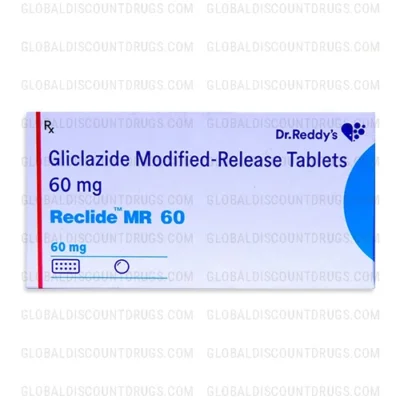

$0.59 – $0.72 per pill


$1.06 – $1.30 per pill


$0.92 – $1.12 per pill

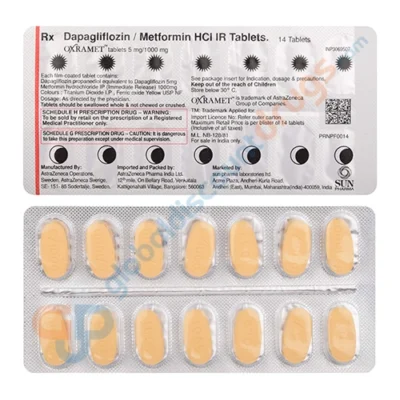
$1.76 – $2.15 per pill


