
No products in the cart.
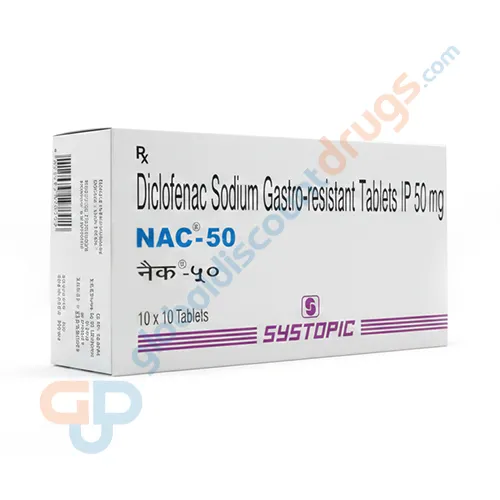


Diclofenac
Diclofenac is a widely used and powerful Non-Steroidal Anti-Inflammatory Drug (NSAID) known for its potent analgesic and anti-inflammatory effects across multiple indications (oral, topical, injectable). It works by non-selectively inhibiting cyclooxygenase enzymes (COX-1 and COX-2), thereby blocking prostaglandin synthesis. This API is highly effective for managing conditions like acute pain, arthritis, and migraine attacks. Diclofenac is a mainstay in both musculoskeletal and acute pain management.
$0.65 – $13.49
What is Diclofenac?
Diclofenac is a widely used anti-inflammatory medicine that helps reduce pain, swelling, and stiffness caused by various joint and muscle conditions. It is available in several forms including tablets, pills, gels, and topical solutions, making it suitable for both short-term and long-term pain relief. Doctors often prescribe this medicine for arthritis flare-ups, muscle injuries, and other painful inflammatory conditions. Its fast action and strong therapeutic effect make it a trusted option worldwide.
Diclofenac Used For
Diclofenac is commonly recommended for treating:
-
Osteoarthritis and rheumatoid arthritis
-
Ankylosing spondylitis
-
Back pain and neck pain
-
Muscle sprains and strains
-
Menstrual cramps
-
Post-operative pain
-
Tendonitis or bursitis
It is also available as a gel for localized pain relief on affected joints or muscles.
Chemical Composition
The active ingredient in this medicine is Diclofenac, which belongs to the NSAID (Non-Steroidal Anti-Inflammatory Drug) class. Depending on the formulation, it may appear as Diclofenac Sodium or Diclofenac Potassium. Topical versions may contain additional soothing agents to improve penetration through the skin.
Diclofenac Mechanism
Diclofenac works by blocking the action of prostaglandins—chemicals that trigger inflammation and pain. By reducing prostaglandin production, this medicine decreases swelling, eases discomfort, and improves mobility. Because of its dual action on inflammation and pain signals, many patients experience relief within a few hours of use.
How It Helps Reduce Pain & Inflammation
Diclofenac supports recovery by:
-
Lowering swelling in joints and soft tissues
-
Relieving sharp or dull pain linked with injuries
-
Helping muscles relax
-
Improving joint motion during daily tasks
-
Reducing morning stiffness associated with arthritis
Both oral and topical forms can provide significant relief, depending on the condition.
Other Benefits
-
Offers targeted treatment when used as a gel or cream
-
Provides strong anti-inflammatory effects
-
Suitable for chronic conditions with recurring pain
-
Can be used alongside physical therapy for better results
-
Helps manage sports-related injuries
Dosages
Available Strengths or Dosage
Diclofenac is available in many different strengths and forms, such as:
-
25 mg tablet
-
50 mg tablet
-
75 mg tablet
-
Gel 1% or 2%
-
Extended-release tablets
Your dosage and form depend on your condition and your doctor’s recommendation.
How and When to Take It
-
Take tablets with food or milk to avoid stomach irritation
-
Swallow the pill whole without crushing
-
Use the topical gel only on clean, dry skin
-
Wash your hands after applying the gel
-
Avoid covering the area with tight bandages unless told by a doctor
-
Follow the exact timing and dose prescribed
Do not mix different forms (like tablets + gel) unless approved by your doctor.
Overdose Caution
Taking more than the recommended dosage may cause:
-
Severe stomach pain or bleeding
-
Vomiting
-
Dizziness
-
Trouble breathing
Seek emergency help immediately if overdose symptoms appear.
Who Can Use/Take Diclofenac?
Diclofenac may be used by:
-
Adults with joint or muscle pain
-
Individuals with arthritis or injury-related inflammation
-
Seniors needing long-term pain control (with caution)
Use carefully if you have:
-
Stomach ulcers
-
Heart disease or high blood pressure
-
Kidney or liver disease
-
Asthma triggered by NSAIDs
Not suitable for:
-
Children under 12 (unless specifically prescribed)
-
Pregnant women, especially after the second trimester
-
People with a known allergy to NSAIDs
Always share your full health history and current medications with your doctor.
Side Effects & Precautions
What Are the Side Effects?
Common, mild side effects may include:
-
Stomach upset
-
Heartburn
-
Headache
-
Dizziness
-
Skin irritation with the topical gel
Less common but serious side effects:
-
Stomach bleeding
-
High blood pressure
-
Kidney issues
-
Swelling in the legs or hands
-
Severe allergic reactions
Stop using and seek medical help if you notice black stools, vomiting blood, chest pain, or trouble breathing.
Precautions to Avoid Side Effects
-
Always take the lowest dose for the shortest time needed
-
Avoid alcohol while taking oral Diclofenac
-
Do not combine with other NSAIDs like Ibuprofen
-
Stay hydrated to protect kidney function
-
Have regular checkups if using long term
-
Use the gel only on unbroken skin
These simple steps help ensure safer and more effective pain control.
Consult your doctor before use. If prescribed, you can order Diclofenac tablets or topical gel online safely from trusted pharmacy sources to ensure proper pain relief and timely refills.


$1.22 – $1.50


$6.55 – $8.00


$0.78 – $0.96


$1.17 – $1.43


