
No products in the cart.





Budesonide
In StockBudesonide is a prescription medicine used to treat inflammatory conditions such as asthma, allergic rhinitis, and certain gastrointestinal inflammatory disorders. It belongs to the corticosteroid class and works by reducing inflammation and immune activity in affected tissues, helping relieve swelling and irritation. This action supports symptom control and improved breathing or digestive comfort. Use as directed on the product label or by a healthcare professional.
$0.70 per pill
What is Budesonide?
Budesonide is a prescription medication used to reduce inflammation in the body. It belongs to a group of medicines called corticosteroids.
It is commonly prescribed for:
- Asthma
- Chronic obstructive pulmonary disease (COPD)
- Allergic rhinitis (nasal allergies)
- Crohn’s disease
- Ulcerative colitis
- Microscopic colitis
Budesonide works locally in the area where it is applied or delivered.
It is available in several formulations:
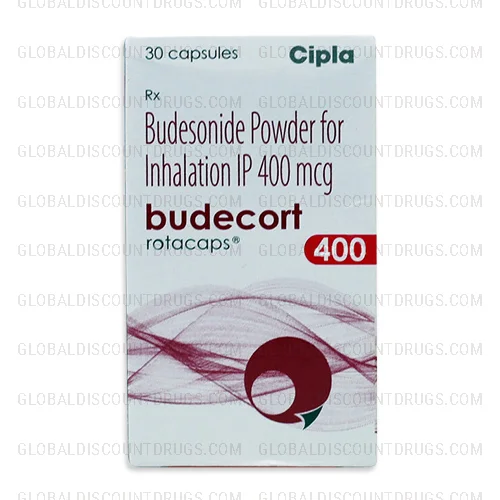
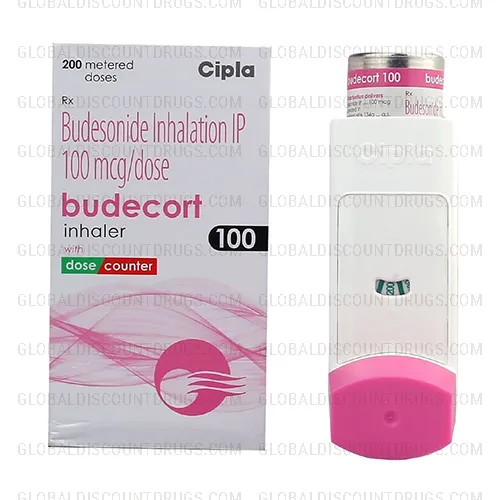
- Inhalation powder and inhalation suspension (for asthma)
- Nebulizer solution
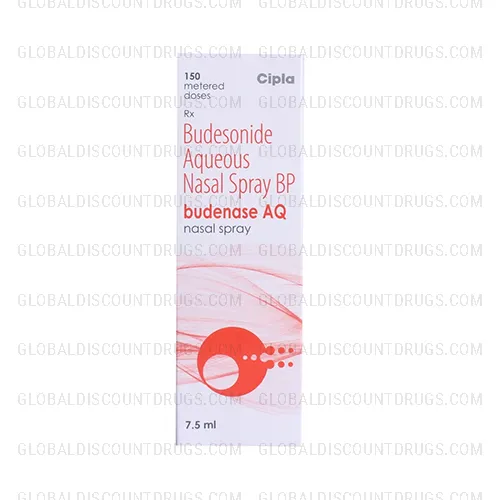
- Nasal spray
- Delayed-release oral capsules
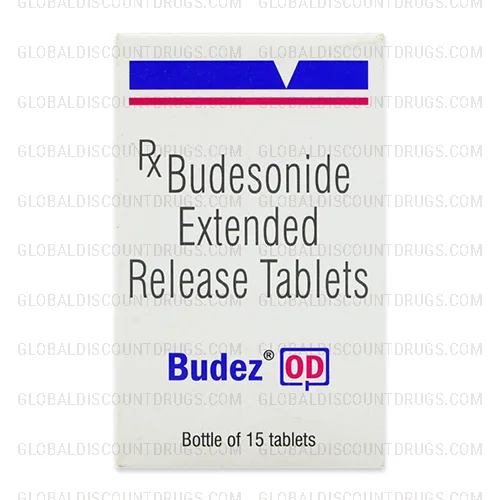
- Extended-release oral tablets
- Rectal foam (in some regions)
Strengths and forms vary depending on the condition being treated.
What is the Recommended Dosage of Budesonide?
The appropriate dose depends on:
The condition being treated
- Age
- Severity of disease
- Liver function
- Other medications being used
Different formulations are used for different conditions:
- Inhaled forms for asthma and COPD
- Nasal spray for allergic rhinitis
- Oral capsules or tablets for inflammatory bowel disease
- Rectal forms for certain bowel conditions
Dosage must follow the instructions of a licensed medical specialist, such as:
- A pulmonologist (for asthma or COPD)
- A gastroenterologist (for Crohn’s disease or ulcerative colitis)
- An allergist or ENT specialist (for nasal allergies)
Patients should never change the dose or stop treatment suddenly without medical supervision.
How Budesonide Works
Budesonide reduces inflammation.
Inflammation is the body’s response to irritation or injury. In conditions like asthma or inflammatory bowel disease, the immune system becomes overactive.
Budesonide works by:
- Suppressing immune activity in the affected area
- Reducing swelling
- Decreasing mucus production
- Calming irritated tissues
It helps control symptoms and prevent flare-ups. It does not cure chronic inflammatory diseases but helps manage them over time.
Is a Prescription Required to Buy Budesonide Online?
Yes. Budesonide is a prescription-only medication in most countries.
Because it affects the immune system, medical supervision is necessary. Patients should consult a licensed medical specialist before starting treatment, such as:
- A pulmonologist
- A gastroenterologist
- An allergist
Purchasing from unlicensed sources increases the risk of counterfeit or improperly stored products. Budesonide should only be obtained from regulated pharmacies.
Side Effects of Budesonide
Side effects depend on the formulation and duration of use.
Common Side Effects
For inhaled or nasal forms:
- Sore throat
- Hoarseness
- Oral thrush (fungal infection in the mouth)
- Cough
For oral forms:
- Nausea
- Headache
- Mild stomach discomfort
Serious Side Effects
Rare but serious risks may include:
- Severe allergic reactions
- Vision changes
- Signs of infection (fever, persistent sore throat)
- Adrenal suppression (with long-term use)
- Bone thinning (with prolonged high-dose use)
Immediate medical attention is required if severe allergic reactions or serious symptoms occur.
Drug Interactions
Budesonide can interact with other medications.
Strong CYP3A4 Inhibitors
Certain drugs may increase budesonide levels in the body:
- Some antifungals
- Certain antibiotics
- HIV medications
- Other Steroids
Using multiple corticosteroids may increase side effects.
Immunosuppressive Drugs
- Combination use may increase infection risk.
- Over-the-Counter (OTC) Products
- Some cold medicines or nasal sprays may contain additional steroids.
Supplements & Herbal Products
- St. John’s Wort
- Herbal immune modulators
Patients should provide a complete medication list to their licensed medical specialist before starting budesonide.
Safety & Important Considerations
Liver Disease
Budesonide is processed in the liver. Patients with liver impairment may require careful monitoring.
Infection Risk
Because budesonide suppresses immune activity, patients may be more susceptible to infections.
Pregnancy
Use during pregnancy should be evaluated carefully. Inhaled budesonide is often considered when benefits outweigh risks, but medical guidance is essential.
Breastfeeding
Consult a healthcare provider before use while breastfeeding.
Children
Growth monitoring may be recommended for children using inhaled corticosteroids long-term.
Elderly Patients
Older adults may be at increased risk for bone thinning and infections with long-term use.
Regular follow-up visits are important for monitoring safety.
Who This Medication Is For
Budesonide is prescribed for:
- Patients with asthma or COPD
- Individuals with inflammatory bowel diseases such as Crohn’s disease or ulcerative colitis
- Patients with chronic nasal allergies
- Those requiring localized steroid treatment to reduce inflammation
Treatment is based on clinical diagnosis and severity assessment.
Who Should Not Take Budesonide
Budesonide may not be suitable for individuals with:
- Known allergy to budesonide
- Untreated systemic fungal infections
- Severe liver impairment (in certain oral forms)
Caution is required in patients with:
- Active infections
- Tuberculosis
- Osteoporosis
- Glaucoma or cataracts
A full medical evaluation is necessary before starting treatment.
What to Do If You Miss a Dose
If you miss a dose:
- Take it as soon as you remember
- If it is almost time for the next dose, skip the missed dose
Do not double the dose.
If unsure, consult your licensed medical specialist.
Alternatives to Budesonide
Other corticosteroids or anti-inflammatory medications may be considered depending on the condition:
Treatment changes must be made under specialist supervision.
Storage Instructions
- Store at room temperature
- Keep away from moisture and heat
- Protect inhalers and nasal sprays from freezing
- Keep in original packaging
- Keep out of reach of children
Do not use after the expiration date.
Disclaimer:
This page is for educational purposes only.
It is not a substitute for professional medical advice, diagnosis, or treatment.
Patients must consult a licensed pulmonologist, gastroenterologist, allergist, or other relevant medical specialist before starting, changing, or stopping budesonide.
All treatment decisions must be based on a complete clinical evaluation by a qualified healthcare professional.

$0.70 – $0.86 per pill


$40.83 – $49.90 per pill


$3.65 – $4.46 per pill


$10.30 – $12.58 per pill


