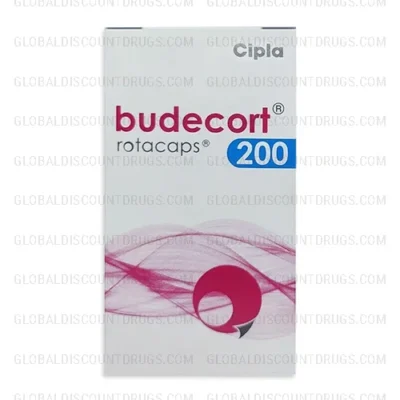
Budesonide 100Mcg Aq Nasal Spray 150 Metered Dose
In StockBudesonide 100 mcg AQ Nasal Spray is an intranasal corticosteroid used to relieve congestion, sneezing, itching, and runny nose associated with allergic rhinitis. Verify the strength per spray against the product label before publication.
| Active Ingredient: | Budesonide |
|---|---|
| Indication: | Allergic Rhinitis |
| Strength: | 100mcg-150 Doses |
| Dosage Form: | Spray |
| Manufacturer: | Cipla Limited |

Budesonide 100mcg Nasal Spray – Quick Overview
Budesonide 100mcg Aqueous Nasal Spray (150 metered doses) is a corticosteroid nasal spray used to treat and prevent symptoms of allergic and non-allergic rhinitis, including nasal congestion, sneezing, and runny nose. It works by reducing inflammation directly in the nasal lining. Budesonide 100mcg Nasal Spray is typically available by prescription and should be used consistently, as directed by a doctor, for best results.
Medical Supervision & Regulatory Status
Budesonide nasal spray was first approved for U.S. marketing in 1999 at lower per-spray strengths for allergic rhinitis. Budesonide 100mcg formulations are prescription products in the markets where they are sold, and regulatory status, approved strength, and OTC/Rx classification can vary by country. Patients should confirm with their pharmacist that this specific strength and pack size is approved and appropriate for their region.
Clinical Context
Allergic and non-allergic rhinitis cause chronic or seasonal nasal inflammation, leading to congestion, sneezing, itching, and excess mucus that can disrupt sleep, concentration, and daily comfort if left untreated.
Intranasal corticosteroids like budesonide are considered a first-line treatment for moderate to persistent nasal allergy symptoms, working directly at the site of inflammation rather than systemically.
Budesonide 100mcg Nasal Spray fits within this drug class, offering a higher per-spray strength that may allow fewer sprays per dose depending on the prescribed regimen, as determined by a doctor.
How Budesonide 100mcg Nasal Spray Works
Budesonide belongs to the intranasal corticosteroid drug class. Like other corticosteroids used intranasally, it works by reducing inflammation directly in the nasal passages, targeting the local immune response responsible for allergy and rhinitis symptoms.
By calming this inflammatory response, Budesonide 100mcg Nasal Spray helps reduce swelling of the nasal lining, decreasing congestion, sneezing, and mucus production over consistent daily use.
Clinical studies have shown that intranasally administered budesonide’s therapeutic effect can be attributed to its topical action within the nasal passages, which is why consistent daily dosing — rather than occasional use — produces the best results.
What is Budesonide 100mcg Nasal Spray?
- Drug Class: Intranasal corticosteroid
- Active Ingredient: Budesonide (100mcg per metered spray)
- Mechanism: Local anti-inflammatory action in the nasal mucosa
- Form: Aqueous nasal spray, 150 metered doses per bottle
- Dosing Frequency: Typically once daily, per doctor’s instructions
- Regulatory Status: Prescription-only where marketed; strength/pack size availability varies by country
Uses / Indications
- Allergic Rhinitis (Seasonal or Perennial): Helps relieve nasal congestion, sneezing, itching, and runny nose caused by seasonal or year-round allergies.
- Non-Allergic Rhinitis: May be used to manage chronic nasal inflammation not triggered by allergens, as determined by a doctor.
- Nasal Polyps (as adjunct therapy, in some regions): May be used to help reduce polyp-related nasal symptoms under specialist guidance.
How to Use / Dosage
Budesonide 100mcg Nasal Spray should be administered exactly as prescribed, typically as one spray per nostril once daily, though a doctor may adjust the frequency based on symptom severity. The bottle should be primed before first use according to the package instructions, and the spray should be aimed slightly away from the nasal septum to reduce irritation.
If a dose is missed, it should be taken as soon as remembered, then the regular schedule resumed — sprays should not be doubled. Full symptom relief may take several days of consistent use, so Budesonide 100mcg Nasal Spray should not be stopped or restarted inconsistently without checking with a doctor, especially if used long-term.
Side Effects
Most patients tolerate Budesonide 100mcg Nasal Spray well, though side effects can occur and should be discussed with a doctor.
Common side effects may include epistaxis (nosebleed), nasal irritation, headache, and throat irritation.
Serious side effects can include Candida albicans (fungal) infections of the nose and throat, nasal septal perforation, and impaired wound healing, along with rare systemic corticosteroid effects with prolonged high-dose use.
Emergency Warning Signs — seek immediate medical attention if you experience:
- Signs of a severe allergic reaction such as anaphylaxis, hives, rash, swelling (angioedema), or severe itching
- Persistent or heavy nosebleeds
- Severe nasal pain, crusting, or a whistling sound when breathing (possible septal perforation)
- Vision changes or eye pain
- Signs of a fungal or unusual infection in the nose or throat
- Signs of a worsening existing infection (such as tuberculosis or a fungal, bacterial, viral, or parasitic infection)
Warnings & Precautions
Budesonide 100mcg Nasal Spray is contraindicated in patients with hypersensitivity to any of its ingredients. Use should be avoided in patients with recent nasal ulcers, nasal surgery, or nasal trauma, and patients should be monitored periodically for signs of adverse effects on the nasal mucosa.
Because budesonide can cause immunosuppression, it should be used with caution in patients with existing infections such as tuberculosis, or fungal, bacterial, viral, or parasitic infections, since a more serious or even fatal course of chickenpox or measles can occur in susceptible patients. Patients who have not had these illnesses or been vaccinated should take particular care to avoid exposure and should notify their doctor promptly if exposure occurs.
Use during pregnancy or breastfeeding should be discussed with a doctor, weighing benefits against any potential risk. Patients switching from oral or systemic corticosteroids to Budesonide 100mcg Nasal Spray should be monitored closely, as this transition can occasionally unmask underlying allergic conditions previously suppressed by systemic therapy. Long-term or high-dose use should be monitored periodically for effects on growth in children and on adrenal function.
Who Should Not Use This Medication
- Patients with a known hypersensitivity to budesonide or any spray ingredient
- Patients with recent nasal ulcers, nasal surgery, or nasal septal trauma
- Patients with an active untreated nasal or sinus infection, unless directed by a doctor
- Patients with active tuberculosis or untreated fungal, bacterial, or viral infections, without specialist guidance
- Patients without a valid prescription or medical evaluation, where prescription status applies
Storage Instructions
Store Budesonide 100mcg Aqueous Nasal Spray at room temperature, away from excess heat and moisture. Do not freeze. Keep the bottle tightly capped between uses and shake gently before each use if directed by the label. Store out of reach and sight of children and pets, and dispose of the bottle safely once expired or empty rather than in household trash.
Frequently Asked Questions
What is the cost of Budesonide 100mcg Nasal Spray without insurance?
The cost without insurance depends on the seller, brand availability, and pack size, and may also vary by location and available discounts. Generic budesonide sprays are often more affordable than brand-name options. Ask your pharmacist for current pricing.
How can I order Budesonide 100mcg Nasal Spray online?
Where a prescription is required, you typically upload it or have your doctor send it directly, then order through a licensed pharmacy for home delivery. Always use verified, licensed pharmacies to ensure product authenticity and safety.
Is Budesonide 100mcg Nasal Spray available over the counter?
Availability varies by strength and region — some lower-strength budesonide nasal sprays are sold over the counter in certain countries, but this specific strength and pack size may require a prescription. Check with your local pharmacist to confirm the regulatory status in your area.
Does Budesonide 100mcg Nasal Spray require a prescription?
In many markets, this strength requires a prescription, though rules vary by country. A doctor’s evaluation helps ensure the correct diagnosis and appropriate dosing.
How long does Budesonide 100mcg Nasal Spray take to work?
Some relief may be noticed within the first day or two, but full benefit for nasal allergy symptoms typically develops over several days to two weeks of consistent daily use. Regular use, not just as-needed dosing, is generally most effective.
Is it safe to stop using Budesonide 100mcg Nasal Spray suddenly?
For short-term or seasonal use, stopping when symptoms resolve is generally fine. If used long-term or at higher doses, check with your doctor before stopping, particularly if you have also used other corticosteroid medications.
Can Budesonide 100mcg Nasal Spray interact with other medications?
Yes, strong CYP3A4 inhibitors (such as certain antifungal or HIV medications) can increase budesonide blood levels and the risk of systemic corticosteroid side effects. Always share a complete list of your medications with your doctor or pharmacist.
References
- DailyMed (NIH) – Budesonide Nasal Spray (32 mcg) Full Prescribing Information: https://dailymed.nlm.nih.gov/dailymed/drugInfo.cfm?setid=ffca32a2-fbef-40bb-b0f0-73f63e18e747
- MedlinePlus – Budesonide Nasal Spray Drug Information: https://medlineplus.gov/druginfo/meds/a601028.html
- FDA.report – Budesonide Nasal Spray Prescribing Information: https://fda.report/DailyMed/32a7d4c3-6192-956d-a4e9-e38d309fac2a
Medical Disclaimer:
This content is for informational purposes only and does not constitute medical advice, diagnosis, or treatment. Consult a qualified specialist or physician before using Budesonide 100mcg Aq Nasal Spray.
| Quantity | 12, 3, 6, 9 |
|---|---|
| Indication | Allergic Rhinitis |
| Active Ingredient | Budesonide |
| Pharmaceutical Form | Spray |
| Manufacturer | Cipla Limited |
| Indian Brand | Budenase 100mcg AQ Nasal Spray 150 Metered Dose |
| US Brand Name | Budesonide |
| Generic Name | Budesonide |
| Dosage | 100mcg-150 Doses |
| Drug Type | Containers |