
No products in the cart.

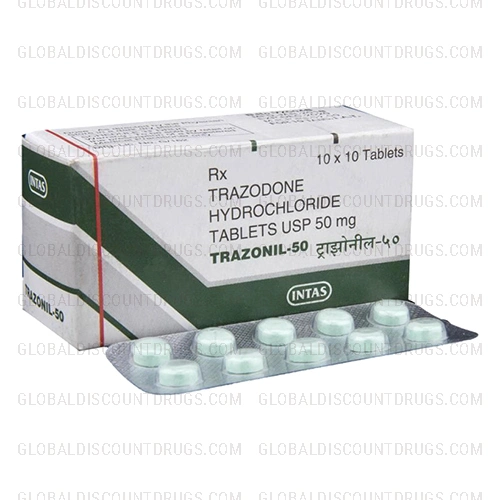

Trazodone
In StockTrazodone is a prescription medicine used to help treat major depressive disorder and related mood disturbances. It belongs to a class of antidepressants known as serotonin antagonist and reuptake inhibitors (SARIs). The medicine works by influencing serotonin activity in the brain, which helps improve mood, emotional balance, and sleep patterns. Use only as directed on the product label or by a healthcare professional.
$0.20 per pill
What is Trazodone?
Trazodone is a prescription medication primarily used to treat major depressive disorder. It belongs to a group of medicines called serotonin antagonist and reuptake inhibitors (SARIs), which affect the balance of certain chemicals in the brain that influence mood and sleep.
Healthcare professionals may prescribe trazodone when patients experience symptoms such as persistent sadness, loss of interest in activities, sleep disturbances, or emotional distress related to depression.
Common conditions treated with Trazodone
Major depressive disorder
Sleep disturbances associated with depression
Anxiety symptoms related to mood disorders
Available formulations and strengths
Trazodone is typically available in the following forms:
Immediate-release oral tablets
Extended-release tablets
Strengths may vary depending on the manufacturer and region. A healthcare professional determines the most appropriate formulation and dose.
What is the Recommended Dosage of Trazodone?
The appropriate dosage of trazodone depends on the patient’s medical condition and response to treatment.
Factors affecting dosage
Healthcare professionals consider several factors when determining dosage:
The condition being treated
Age
Body weight
Other medical conditions
Use of other medications
Individual response to therapy
Dosage forms
Trazodone is generally prescribed as:
Oral tablets taken by mouth
Treatment often begins with a lower dose, which may be gradually adjusted based on effectiveness and tolerance.
Patients should follow their healthcare professional’s instructions carefully and should not change the dose or stop treatment without medical guidance.
How Trazodone Works
Trazodone works by affecting serotonin, a neurotransmitter involved in regulating mood, sleep, and emotional balance.
The medication:
Blocks certain serotonin receptors
Reduces serotonin reuptake in brain cells
These effects help increase the availability of serotonin in the brain, which may improve mood and emotional stability.
Trazodone may also have sedating effects, which can help improve sleep in some individuals experiencing depression-related insomnia.
However, like most antidepressants, trazodone may take several weeks to produce its full therapeutic effects.
Is a Prescription Required to Buy Trazodone Online?
Yes. Trazodone is a prescription-only medication in most countries.
Because antidepressants affect brain chemistry and mental health, treatment must be supervised by a licensed healthcare professional.
Specialists who may prescribe Trazodone
Psychiatrists
Primary care physicians
Neurologists
Other qualified mental health professionals
Safe purchasing advice
Patients should:
Obtain medication only from licensed pharmacies
Avoid online sellers offering prescription medicines without medical evaluation
Be cautious of counterfeit medications
Proper diagnosis and monitoring are essential when treating mental health conditions.
Side Effects of Trazodone
Like all medications, trazodone may cause side effects. Many are mild and improve as the body adjusts to treatment.
Common Side Effects
Common side effects may include:
Drowsiness
Dizziness
Dry mouth
Headache
Nausea
Constipation
Blurred vision
These symptoms are usually temporary but should be discussed with a healthcare professional if they persist.
Serious Side Effects
Although uncommon, some reactions require immediate medical attention.
Possible serious side effects include:
Severe allergic reactions
Irregular heartbeat
Severe dizziness or fainting
Persistent or worsening depression
Thoughts of self-harm
Painful or prolonged erection (priapism)
Immediate medical care should be sought if severe symptoms occur.
Drug Interactions
Trazodone can interact with several medications that affect the nervous system or serotonin levels.
Major interaction categories
Prescription medications
Other antidepressants
Monoamine oxidase inhibitors (MAOIs)
Certain antipsychotics
Sedatives or tranquilizers
Heart rhythm medications
Over-the-counter medicines
Sleep aids
Cold and allergy medications containing sedating antihistamines
Supplements
St. John’s wort
Tryptophan
Herbal products
Herbal products affecting serotonin levels or sedation
Patients should provide their healthcare provider with a complete list of medications, supplements, and herbal products they use before starting trazodone.
Safety & Important Considerations
Certain health conditions require caution when using trazodone.
Heart conditions
Trazodone may affect heart rhythm in some patients. Individuals with existing heart disease should inform their healthcare provider.
Mental health monitoring
Patients beginning antidepressant therapy should be monitored for changes in mood, behavior, or thoughts of self-harm, particularly during the early stages of treatment.
Liver or kidney disease
Patients with liver or kidney conditions may require dosage adjustments or monitoring.
Pregnancy
The safety of trazodone during pregnancy should be evaluated by a healthcare professional.
Breastfeeding
Trazodone may pass into breast milk. A healthcare professional should evaluate potential risks and benefits.
Older adults
Older adults may be more sensitive to side effects such as dizziness, sedation, or low blood pressure.
Who This Medication Is For
Trazodone is typically prescribed for adults diagnosed with depressive disorders or related conditions.
Common patient groups include:
Adults with major depressive disorder
Individuals experiencing depression-related sleep disturbances
Patients requiring antidepressant therapy with sedating properties
A healthcare professional determines whether trazodone is an appropriate treatment based on individual symptoms and medical history.
Who Should Not Take Trazodone
Certain individuals should avoid trazodone or use it only under close medical supervision.
Contraindications
Allergy to trazodone
Recent use of monoamine oxidase inhibitors (MAOIs)
Important precautions
Patients should inform their healthcare provider if they have:
Heart rhythm disorders
Bipolar disorder
History of seizures
Liver disease
Kidney disease
A healthcare professional will determine whether trazodone is appropriate for the patient.
What to Do If You Miss a Dose
If a dose is missed:
Take the missed dose as soon as you remember.
If it is close to the next scheduled dose, skip the missed dose.
Resume the normal dosing schedule.
Do not take two doses at the same time to make up for a missed dose.
If multiple doses are missed or symptoms worsen, contact a licensed healthcare professional.
Alternatives to Trazodone
Other medications may be considered depending on the patient’s condition and response to treatment.
Possible alternatives include:
Sertraline
Fluoxetine
Escitalopram
Mirtazapine
Bupropion
The choice of antidepressant should always be determined by a qualified healthcare professional.
Storage Instructions
Proper storage helps maintain the medication’s effectiveness.
General recommendations include:
Store at room temperature
Keep away from excess heat and moisture
Keep the medication in its original container
Store medicines out of reach of children and pets
Do not use the medication after the expiration date.
Disclaimer
Educational Purpose Only
This page provides general educational information about trazodone. It is not a substitute for professional medical advice, diagnosis, or treatment.
Patients must consult a licensed psychiatrist, primary care physician, or other qualified healthcare professional before starting, changing, or stopping treatment.
Treatment decisions must be based on a full clinical evaluation by a qualified medical specialist.


$1.13 – $1.38 per pill


$0.70 – $0.85 per pill


$0.46 – $0.56 per pill


$0.60 – $0.73 per pill


