
No products in the cart.
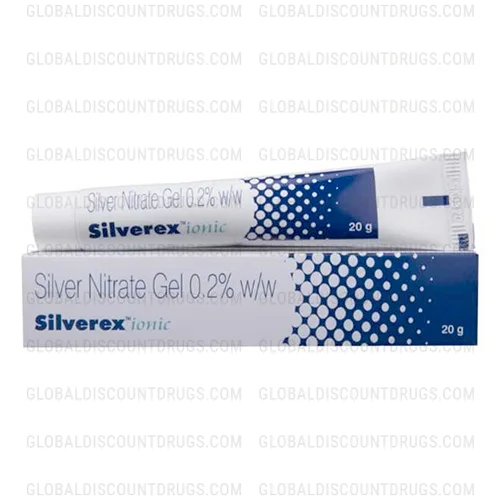

Silver Nitrate
In StockSilver Nitrate is a classic topical agent used as a chemical cauterant, astringent, and antiseptic for treating persistent wounds, ulcerations, or for hemostasis (stopping bleeding) of minor cuts and nosebleeds. It works by chemically destroying tissue, creating an eschar (scab), and inhibiting the growth of microorganisms. This API is crucial for removing granulation tissue and controlling capillary bleeding. Silver Nitrate is an indispensable tool in minor surgical and wound care.
$6.93 per pill
What Is Silver Nitrate?
Silver Nitrate is a medicinal compound widely used for its strong antiseptic, cauterizing, and antibacterial properties. It is commonly available as sticks, solutions, and topical applications that help treat minor skin issues, prevent infections, and remove unwanted tissue. Healthcare professionals often use it for wound care, nosebleed control, and targeted skin treatments. Its fast-acting nature makes it an important option in clinician-directed treatment with limited at-home use only under instruction
Silver Nitrate Used For
Silver Nitrate is mainly used to:
-
Cauterize small wounds or bleeding points
-
Treat skin granulation tissue
-
Manage minor cuts or ulcers
-
Prevent infection in surface wounds
-
Remove warts or excess tissue in some cases
It works effectively for localized skin care and is commonly recommended when other mild antiseptics are not enough.
Chemical Composition
Silver Nitrate contains:
-
Active ingredient: Silver Nitrate (AgNO₃)
-
Strength: Most medical sticks contain 75% Silver Nitrate with 25% Potassium Nitrate for stability
-
Solutions may include purified water or buffering agents, depending on the formulation.
Its chemical structure allows it to release silver ions that destroy harmful microorganisms.
Silver Nitrate Mechanism
Silver Nitrate acts through a simple but powerful process:
-
When applied to moist skin or tissue, it releases silver ions.
-
These ions destroy bacteria, fungi, and damaged tissue by binding to their cellular proteins.
-
This creates a controlled chemical burn that seals the area, stopping bleeding and preventing infection.
This cauterizing effect makes it useful for targeted treatment rather than large surface areas.
How It Helps Improve Skin and Wound Issues
Silver Nitrate helps the skin recover by:
-
Stopping minor bleeding quickly
-
Reducing bacterial growth on wounds
-
Shrinking overgrown tissue (like granulation)
-
Preventing irritation caused by chronic wounds
-
Supporting faster healing with cleaner wound surfaces
It is commonly used in clinics for nosebleeds (epistaxis), small ulcers, and skin growths that interfere with healing.
What Are the Other Benefits?
Some additional advantages include:
-
Works within seconds after application
-
Safe when used properly under medical guidance
-
Helps avoid unnecessary surgical removal of minor tissue
-
Reduces infection risk in skin injuries
-
Silver Nitrate is available in stick and solution forms that allow precise, targeted treatment when used correctly by a healthcare professional or as directed.
For people with recurring nosebleeds or persistent skin irritation, it provides dependable relief.
Dosages
Silver Nitrate is available in several forms depending on its use in wound care and skin treatment.
Available Strengths or Dosage
Common medical strengths include:
-
Silver Nitrate Sticks (75%)
-
Topical Solutions (0.5% to 10%)
-
Low-concentration preparations for sensitive areas or pediatric use
Higher strengths provide stronger cauterization, while lower strengths are used for mild antiseptic needs.
How and When to Take or Use It
Usage guidelines:
-
Apply only on the affected area
-
Use Silver Nitrate sticks by moistening the tip and gently rubbing on the target spot
-
Apply solutions with a cotton swab
-
Avoid contact with healthy skin to prevent irritation
-
Use once daily or as directed by your healthcare provider
Treatment should always be done with caution because this compound can stain skin and cause burns if overused.
Overdose Caution
Excessive or improper application may cause:
-
Chemical burns
-
Dark staining of healthy skin
-
Severe irritation or blistering
-
Unwanted tissue damage
If too much is applied, rinse the area thoroughly with water and seek medical advice immediately.
Who Can Use/Take Silver Nitrate?
Silver Nitrate is generally safe for:
-
Adults
-
Teenagers
-
Children (only under medical supervision)
Gender Suitability
It is suitable for all genders.
Health Conditions
It may be helpful for individuals dealing with:
-
Recurrent nosebleeds
-
Chronic skin ulcers
-
Localized bacterial infections
-
Excess granulation tissue
Avoid use if you have:
-
Known allergy to silver compounds
-
Very sensitive or damaged skin
-
Deep wounds or large open injuries
-
Eye injuries or mucous membrane issues (unless instructed by a doctor)
Always follow professional guidance before using this treatment, especially at higher concentrations.
Side Effects & Precautions
Side effects are usually mild when applied correctly, but improper use can lead to discomfort.
What Are the Side Effects?
Possible side effects may include:
-
Skin irritation
-
Temporary burning sensation
-
Dark gray or black discoloration
-
Mild swelling at the application site
-
Rare allergic reactions
These effects are usually temporary and fade as the skin heals.
What Are the Precautions to Avoid Side Effects?
To minimize risk:
-
Apply only to the exact area recommended
-
Avoid healthy skin and sensitive areas
-
Do not mix with other topical acids or chemicals
-
Wear gloves when handling higher strengths
-
Do not use near the eyes
-
Keep out of reach of children
If you are unsure how to use it, ask a medical professional for guidance to ensure safe application.
Always consult your doctor before using Silver Nitrate. If advised by your healthcare provider, Use only products obtained from licensed pharmacies and under medical guidance.
Disclaimer:
This content is for educational use only and does not replace advice from a qualified healthcare professional. Silver nitrate should be used only under medical supervision, as improper application can cause tissue injury.


$22.23 – $27.17 per pill
$14.89 – $18.20 per pill


$6.93 – $8.47 per pill


$6.93 – $8.47 per pill


