
No products in the cart.
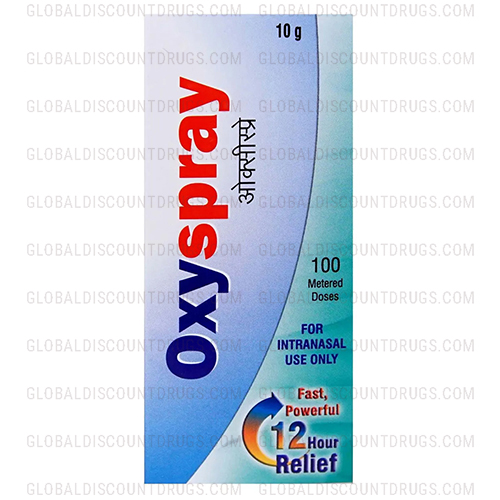
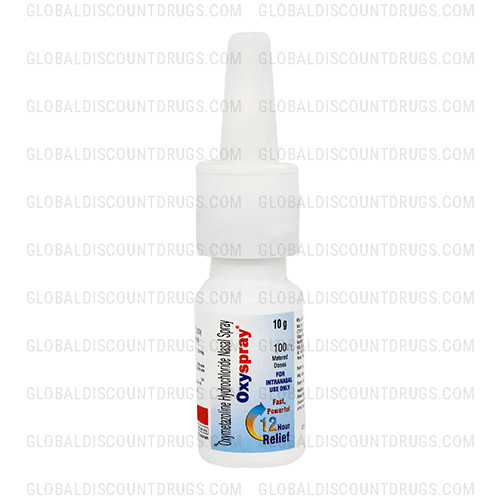
Oxymetazoline 50mcg Nasal Spray 10gm
In StockOxymetazoline 50 mcg Nasal Spray 10 gm provides fast relief from nasal congestion caused by colds, sinusitis, and allergies. It works by narrowing swollen nasal blood vessels, easing breathing within minutes. Use only as directed for up to three days to avoid rebound congestion. Each 10 gm bottle delivers precise, long-lasting decongestion for clear, comfortable breathing.
$14.04 – $17.16 per pill
Nasal congestion can make every breath feel like a struggle. Whether it comes from allergies, a cold, or sinus irritation, the blocked airflow can interfere with sleep, focus, and general comfort. Oxymetazoline 50 mcg Nasal Spray 10 gm is a well-known decongestant designed to relieve that stuffy feeling quickly and effectively. Used correctly, it provides targeted relief where it’s needed most—the nasal passages—helping you breathe freely again within minutes.
This guide explains what the medicine is, how it works, how to use it safely, and what precautions to keep in mind. It is written for patients and caregivers who want clear, factual information without unnecessary technical language.
What Is Oxymetazoline 50 mcg Nasal Spray?
Oxymetazoline nasal spray is a topical nasal decongestant. It belongs to a class of medicines called sympathomimetic amines, which narrow swollen blood vessels inside the nose. Each spray delivers 50 micrograms of oxymetazoline hydrochloride in a fine mist. The 10-gram bottle typically contains enough solution for several days of use.
It is commonly available over the counter and is used to relieve nasal congestion caused by:
-
Common cold
-
Sinusitis
-
Allergic rhinitis (seasonal or perennial)
-
Upper respiratory tract infections
By directly targeting nasal tissue, the medicine reduces swelling and opens the airways, making breathing easier within a few minutes of application.
How It Works
Oxymetazoline acts on alpha-adrenergic receptors in the nasal mucosa. These receptors control the tone of blood vessels. When oxymetazoline binds to them, it triggers vasoconstriction, or narrowing of blood vessels. This reduces blood flow in the nasal tissues, leading to decreased swelling and mucus production.
Because the medicine works locally, it offers rapid relief without affecting the rest of the body as much as oral decongestants might. The effects usually begin within 5–10 minutes and can last up to 12 hours. This makes the spray suitable for both daytime and nighttime symptom control.
Medical Uses and Benefits
1. Cold and Flu Relief
During a cold or viral infection, the nasal passages become inflamed and filled with mucus. Oxymetazoline helps reduce the inflammation and open up the airway, allowing for better airflow and comfort.
2. Sinus Congestion
Blocked sinuses can cause headaches and pressure around the eyes or cheeks. By shrinking swollen nasal blood vessels, oxymetazoline allows mucus to drain properly, easing sinus pressure and discomfort.
3. Allergic Rhinitis
Allergies from dust, pollen, or pet dander can trigger nasal congestion. Used short-term, oxymetazoline can quickly relieve blocked nasal passages, though long-term control of allergies may require additional medications such as antihistamines or corticosteroid sprays.
4. Post-Operative or Diagnostic Use
Doctors may use oxymetazoline before nasal surgery or diagnostic examinations to minimize bleeding and clear the nasal field. Its vasoconstrictive effect helps maintain a clear view during procedures.
5. Adjunct to Other Treatments
In some cases, it may be used along with saline rinses or allergy medicines to enhance comfort and effectiveness during short-term treatment.
Proper Usage and Instructions
Using the spray correctly ensures safety and maximum benefit. Follow these general steps unless your healthcare provider instructs otherwise:
-
Clear your nose gently by blowing it before use.
-
Shake the bottle if recommended by the manufacturer.
-
Insert the nozzle into one nostril while closing the other.
-
Press and inhale gently as you spray.
-
Repeat for the other nostril if needed.
-
Wipe the nozzle after each use to maintain hygiene.
Always wash your hands before and after using the spray.
Key Points to Remember
-
Do not exceed the recommended frequency—usually twice daily (every 12 hours).
-
Avoid sharing the spray bottle to prevent infection spread.
-
If symptoms persist beyond three consecutive days, discontinue use and consult a doctor.
Overuse can lead to a rebound effect known as rhinitis medicamentosa, where nasal congestion worsens after stopping the spray.
Dosage Guidelines
For adults and children over 6 years old:
-
One spray into each nostril every 12 hours is generally sufficient.
-
The total daily dose should not exceed two applications per nostril.
Children under 6 years should not use oxymetazoline unless specifically directed by a pediatrician, as their nasal tissues are more sensitive.
Avoid using the spray for longer than 3–5 days in a row. Continuous use may cause dependency and rebound congestion.
If a dose is missed, apply it when remembered unless it’s almost time for the next scheduled dose. Do not double the sprays.
Possible Side Effects
While oxymetazoline is considered safe when used properly, some people may experience mild side effects such as:
-
Temporary burning, stinging, or dryness inside the nose
-
Sneezing immediately after spraying
-
Mild headache or dizziness
-
Local irritation at the point of contact
Rare side effects may include:
-
Increased heart rate or palpitations
-
Elevated blood pressure
-
Nervousness or restlessness
-
Insomnia when used close to bedtime
If severe reactions like persistent irritation, vision changes, or chest pain occur, discontinue use and seek medical attention immediately.
Drug Interactions
Although the medicine acts locally, some ingredients may interact with systemic drugs. Important interactions include:
-
Monoamine oxidase inhibitors (MAOIs): Using oxymetazoline while on MAOIs (such as phenelzine or selegiline) may lead to dangerously high blood pressure.
-
Beta-blockers or other antihypertensive drugs: These may blunt or amplify cardiovascular effects.
-
Tricyclic antidepressants and sympathomimetic agents: Combined use may increase the risk of side effects such as rapid heartbeat.
Always inform your healthcare provider about all medicines, supplements, or herbal products you use before starting oxymetazoline.
Precautions and Warnings
To ensure safe use, consider the following precautions:
-
Do not use for more than three consecutive days. Prolonged use can cause rebound congestion.
-
Consult your doctor before use if you have:
-
Hypertension
-
Heart disease
-
Diabetes
-
Overactive thyroid (hyperthyroidism)
-
Enlarged prostate
-
-
Pregnancy and breastfeeding: The medicine should only be used under medical advice. Limited absorption occurs, but caution is still warranted.
-
Children under 6 years: Use only under medical supervision.
-
Avoid eye contact: If the solution enters the eyes, rinse thoroughly with clean water.
Never ingest the spray. It is strictly for intranasal use.
Storage Instructions
To maintain the effectiveness of oxymetazoline nasal spray:
-
Store at room temperature (20–25 °C) away from direct sunlight.
-
Keep the bottle tightly closed when not in use.
-
Do not freeze or expose to excessive heat.
-
Keep out of reach of children.
If the solution changes color or becomes cloudy, discard it safely and replace the bottle.
Clinical Insights
Clinical studies have consistently shown that oxymetazoline provides rapid and sustained nasal decongestion for up to 12 hours after administration. It works equally well for congestion due to the common cold or allergic rhinitis. Patients often report noticeable relief within minutes.
When compared with other topical decongestants, oxymetazoline offers one of the longest durations of action, allowing for twice-daily dosing instead of more frequent sprays. However, studies also confirm that extended use beyond a few days leads to tolerance and rebound congestion, underlining the importance of short-term therapy only.
Healthcare professionals often recommend oxymetazoline for acute symptom control, followed by transition to non-medicated saline sprays or preventive allergy treatments for longer-term management.
When to Seek Medical Advice
Consult your doctor if:
-
Congestion persists beyond three days despite regular use.
-
You develop side effects such as dizziness, chest pain, or rapid heartbeat.
-
The nasal passage becomes persistently irritated or bleeding occurs.
-
Symptoms worsen or spread to the sinuses or ears.
These may signal an underlying infection or a need for alternative therapy.
Alternative and Complementary Options
Oxymetazoline provides immediate relief, but long-term congestion management may require lifestyle and environmental adjustments, such as:
-
Using saline nasal rinses to keep passages moist.
-
Avoiding allergens like dust mites, pollen, and smoke.
-
Using a humidifier in dry indoor environments.
-
Staying well-hydrated to thin mucus.
-
Seeking medical evaluation for chronic sinusitis or nasal polyps.
These steps can help reduce the need for frequent decongestant use.
Summary
Oxymetazoline 50 mcg Nasal Spray 10 gm is a trusted option for short-term relief from nasal congestion. It acts quickly, providing up to 12 hours of easier breathing and sinus comfort. The key to safe use lies in moderation—apply as directed, avoid prolonged use, and monitor for any unusual symptoms.
Used properly, it can bring fast relief from the discomfort of colds, allergies, and sinus pressure without the sedating effects of some oral medicines. When symptoms persist, professional guidance ensures effective long-term management.
| Quantity | 2, 4, 6, 8 |
|---|---|
| Manufacturer | Zydus Cadila |
| Indian Brand | Oxyspray Nasal Spray 10gm |
| US Brand Name | Afrin |
| Generic Name | Oxymetazoline |
| Dosage | 50mcg-10gm |
| Drug Type | Bottles |


