
No products in the cart.
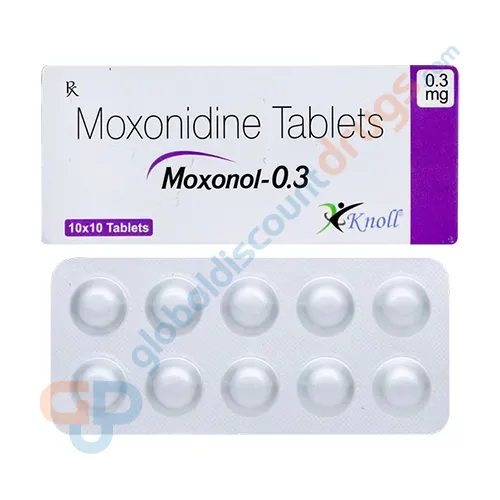
Moxonidine
In StockMoxonidine is a prescription medicine used to help manage high blood pressure (hypertension). It acts as a centrally acting antihypertensive by stimulating imidazoline receptors in the brain, which helps reduce sympathetic nerve activity. This effect supports relaxation of blood vessels and improved blood pressure control. Use only as directed on the product label or by a healthcare professional.
$1.76 per pill
What is Moxonidine?
Moxonidine is a prescription medication used to treat high blood pressure (hypertension). It belongs to a class of medicines called centrally acting antihypertensive agents, specifically imidazoline receptor agonists.
This medication works by acting on specific receptors in the brain that help regulate blood pressure. By influencing these receptors, moxonidine reduces nerve signals that tighten blood vessels.
Approved and common uses
Moxonidine may be prescribed for:
Treatment of essential hypertension (primary high blood pressure)
Blood pressure control when lifestyle changes alone are not sufficient
Patients who cannot tolerate certain other blood pressure medications
Controlling blood pressure helps reduce the risk of long-term complications such as:
Heart attack
Stroke
Kidney disease
Heart failure
Moxonidine helps manage blood pressure levels, but it does not cure hypertension.
Available formulations and strengths
Moxonidine is commonly available as:
Oral tablets
Tablet strengths may include:
0.2 mg
0.3 mg
0.4 mg
Strengths and formulations may vary depending on the manufacturer and region.
What is the Recommended Dosage of Moxonidine?
The correct dosage of moxonidine must be determined by a licensed healthcare professional.
Factors influencing dosage
Healthcare providers determine dosing based on several factors:
Severity of hypertension
Age and overall health
Kidney function
Response to treatment
Other medications being taken
Dosage forms
Moxonidine is available as:
Oral tablets
Treatment often begins with a lower dose, which may be gradually adjusted based on blood pressure response and tolerance.
Patients should follow their healthcare provider’s instructions carefully and should not stop the medication abruptly without medical guidance.
How Moxonidine Works
Moxonidine lowers blood pressure by acting on imidazoline receptors in the brainstem.
These receptors help regulate the activity of the sympathetic nervous system, which controls blood vessel constriction and heart rate.
When moxonidine stimulates these receptors:
Sympathetic nerve activity decreases
Blood vessels relax
Blood pressure falls
By reducing the pressure inside blood vessels, the medication helps reduce strain on the heart and circulatory system.
Moxonidine helps control hypertension but does not eliminate the underlying causes of high blood pressure.
Is a Prescription Required to Buy Moxonidine Online?
Yes. Moxonidine is a prescription-only medication in most healthcare systems.
A licensed healthcare professional must evaluate the patient and determine whether the medication is appropriate.
Specialists who commonly prescribe moxonidine include:
Cardiologists
Internal medicine specialists
Primary care physicians
Nephrologists
When purchasing medications online, patients should:
Use licensed and regulated pharmacies
Ensure the pharmacy requires a valid prescription
Avoid unverified sellers
Be cautious of counterfeit medications
Counterfeit drugs may contain incorrect ingredients or unsafe doses.
Side Effects of Moxonidine
Like all medications, moxonidine may cause side effects. Many side effects are mild and improve as the body adjusts to treatment.
Common side effects
Possible common side effects include:
Dry mouth
Headache
Dizziness
Fatigue
Nausea
Sleep disturbances
These symptoms are often temporary and may lessen with continued treatment.
Serious side effects
Serious reactions are uncommon but require medical attention.
Possible serious side effects include:
Very low blood pressure
Slow heart rate (bradycardia)
Severe dizziness or fainting
Allergic reactions
Skin reactions
Immediate medical attention may be necessary if symptoms such as fainting, severe weakness, or swelling of the face or throat occur.
Drug Interactions
Moxonidine may interact with several medications that affect the nervous system or blood pressure.
Medications that may interact
Possible interactions include:
Other blood pressure medications
Beta blockers
Sedative medications
Antidepressants
Certain anti-anxiety medications
These interactions may increase the risk of low blood pressure or excessive sedation.
Over-the-counter and herbal products
Interactions may also occur with:
Herbal supplements that affect blood pressure
Alcohol
Over-the-counter sleep aids
Patients should provide their healthcare provider with a complete list of medications and supplements before starting treatment.
Safety & Important Considerations
Certain medical conditions require caution when using moxonidine.
Kidney function
Moxonidine is partially eliminated through the kidneys, so patients with kidney impairment may require dose adjustments.
Heart conditions
Patients with certain heart rhythm disorders or severe heart failure may require careful monitoring.
Pregnancy
The safety of moxonidine during pregnancy has not been fully established. Healthcare providers must evaluate risks and benefits before use.
Breastfeeding
Moxonidine may pass into breast milk. Patients who are breastfeeding should consult their healthcare provider before using the medication.
Monitoring
Healthcare providers may monitor:
Blood pressure levels
Heart rate
Kidney function in some patients
Who This Medication Is For
Moxonidine is typically prescribed for adults with high blood pressure who require medication to control their condition.
It may be recommended for:
Patients whose blood pressure remains elevated despite lifestyle changes
Individuals who cannot tolerate certain other antihypertensive medications
Patients requiring additional blood pressure control alongside other treatments
Treatment decisions depend on individual health status and clinical evaluation.
Who Should Not Take Moxonidine
Certain individuals should avoid moxonidine or use it only under medical supervision.
Contraindications
Moxonidine should generally not be used in patients who:
Have a known allergy to moxonidine
Have severe bradycardia (very slow heart rate)
Have certain severe heart rhythm disorders
Have severe heart failure in some cases
Important precautions
Caution may be required for patients with:
Kidney disease
Moderate heart conditions
Elderly patients sensitive to blood pressure changes
Patients taking multiple antihypertensive medications
A healthcare professional must evaluate the potential risks before prescribing.
What to Do If You Miss a Dose
If a dose of moxonidine is missed:
Take the missed dose as soon as you remember
If it is close to the next scheduled dose, skip the missed dose
Do not take two doses at the same time to compensate for a missed dose.
If multiple doses are missed or if there is uncertainty about dosing, contact a licensed healthcare professional.
Alternatives to Moxonidine
Several medications may be used to treat high blood pressure depending on the patient’s health profile.
Possible alternatives include:
ACE inhibitors such as enalapril or lisinopril
Angiotensin receptor blockers (ARBs) such as losartan or valsartan
Calcium channel blockers such as amlodipine
Beta blockers such as metoprolol
Diuretics such as hydrochlorothiazide
Treatment changes should only be made under the supervision of a qualified healthcare professional.
Storage Instructions
Proper storage helps maintain medication effectiveness and safety.
General storage recommendations include:
Store at room temperature
Keep away from excess heat, moisture, and direct sunlight
Store in the original container
Ensure the container is tightly closed
Safety precautions
Keep out of reach of children and pets
Do not use after the expiration date
Dispose of unused medication according to local pharmacy disposal guidelines
Disclaimer:
This page is provided for educational purposes only.
It is not a substitute for professional medical advice, diagnosis, or treatment.
Patients must consult a licensed cardiologist, internal medicine specialist, or other qualified healthcare professional before starting, stopping, or changing treatment involving moxonidine.
All treatment decisions must be based on a full clinical evaluation by a qualified medical specialist.
$1.76 – $2.15 per pill


