
No products in the cart.


Hydroxyzine
In StockHydroxyzine is a first-generation H1 receptor antagonist with notable sedative, anxiolytic, and anti-emetic properties, used to treat anxiety, pruritus (itching), and as a pre-operative sedative. It works by potently blocking histamine receptors in the brain and periphery. This API is valued as a non-benzodiazepine anxiolytic alternative. Hydroxyzine is a versatile agent used across psychiatry, allergy, and pre-anesthesia.
$0.61 per pill
What is Hydroxyzine?
Hydroxyzine is an antihistamine and calming medicine used to treat anxiety, allergies, itching, and skin reactions. Doctors prescribe this oral tablet or capsule to help manage symptoms caused by histamine release or emotional stress. It provides quick relief from itching and helps reduce tension, making it useful for both short-term anxiety and allergic responses. This guide explains how it works, when to use it, recommended doses, and important safety details.
Hydroxyzine used for
Hydroxyzine is used for a wide range of conditions. It helps manage anxiety, skin rashes, itching, hives, and allergic reactions. Many patients receive it before surgery to help them relax. Hydroxyzine also reduces nausea and motion sickness in some cases. Because it has both antihistamine and sedative effects, it offers relief for people dealing with sleep difficulty related to stress or allergy symptoms.
Chemical composition
Hydroxyzine is available in two main salt forms: Hydroxyzine Hydrochloride (HCl) and Hydroxyzine Pamoate. Both deliver the same active ingredient, although pamoate is often preferred for anxiety relief due to its calming effect. These compounds block histamine (H1 receptors) and also influence brain chemicals linked to stress and relaxation.
Hydroxyzine Mechanism
Hydroxyzine works by blocking the action of histamine, which causes itching, swelling, and redness during allergic reactions. At the same time, it affects certain brain receptors that help calm the central nervous system. This dual mechanism reduces both allergic symptoms and anxiety. The medicine provides a soothing effect without being addictive, which makes it a commonly recommended short-term anxiety pill.
How does it help with anxiety and allergic reactions?
Hydroxyzine helps lower anxiety by slowing activity in the brain regions responsible for stress. It promotes relaxation and improves sleep quality. For allergies, it stops histamine from triggering itching or redness, making it helpful for hives, dermatitis, and other skin reactions. Because it starts working quickly, many people rely on it for sudden flare-ups or when stress levels rise.
What are the other benefits?
-
Helps improve sleep during stress
-
Useful for chronic itching in eczema
-
Reduces nausea and dizziness in some patients
-
Often used during pre-operative procedures to calm the patient
-
Non-habit-forming compared to many anxiety medicines
Its wide safety range makes it a suitable option for adults and teens when used under medical guidance.
Dosages
Hydroxyzine comes in tablets, capsules, and oral solutions. Your dose depends on your age, medical condition, and whether you are using it for allergies or anxiety.
Available strengths or dosage
Common strengths include:
-
Hydroxyzine 10 mg tablet
-
Hydroxyzine 25 mg tablet/capsule
-
Hydroxyzine 50 mg tablet/capsule
Liquid forms are also available for children or adults who have trouble swallowing pills.
How and when to take it
-
Take the medicine with or without food.
-
Use it one to four times daily, depending on your doctor’s recommendation.
-
If taking it for allergies or itching, it is usually used as needed.
-
When used for anxiety, it may be taken on a regular schedule or during high-stress situations.
Avoid alcohol, as it increases drowsiness caused by the medicine.
Overdose caution
Taking too much Hydroxyzine can cause extreme sleepiness, confusion, poor coordination, or severe dry mouth. Children may become unusually restless. Seek immediate medical help if overdose is suspected and never double your dose after missing one.
Who can use/take Hydroxyzine?
Hydroxyzine can be used by adults and older teens. It is often safe for children when prescribed by a pediatrician for allergies or itching. Both men and women can use it, but pregnant women should only take it if clearly recommended by a healthcare professional. People with glaucoma, heart rhythm disorders, liver problems, or breathing difficulties should discuss their medical history before starting Hydroxyzine.
Side Effects & Precautions
What are the side effects?
Common side effects include:
-
Drowsiness or dizziness
-
Dry mouth
-
Blurred vision
-
Headache
-
Constipation
Most effects are mild and fade as the body adjusts. Rare but serious symptoms include heart rhythm changes, severe confusion, or allergic swelling.
What are the precautions to avoid side effects?
-
Do not drive or operate machinery until you know how the medicine affects you.
-
Avoid alcohol or sedatives, which increase drowsiness.
-
Stay hydrated to prevent dry mouth.
-
Inform your doctor about heart conditions or medications that affect heart rhythm.
-
Use lower doses in older adults to prevent excessive sedation.
-
Do not mix with other antihistamines unless instructed.
Always consult your doctor before use. If prescribed, you can order Hydroxyzine tablets or capsules online from trusted pharmacy sources for safe and quick delivery.

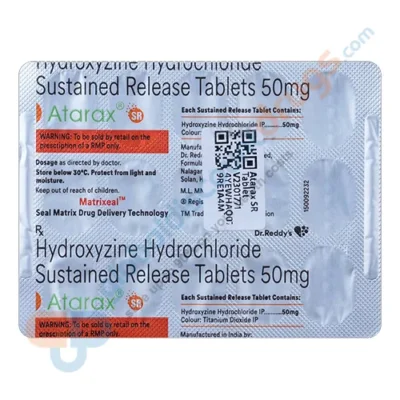
$0.82 – $1.00 per pill


$0.74 – $0.90 per pill

$0.28 – $0.34 per pill


$0.28 – $0.34 per pill


