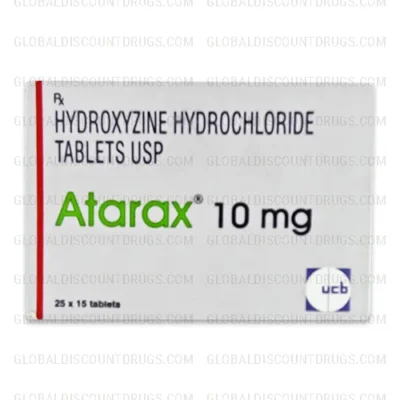
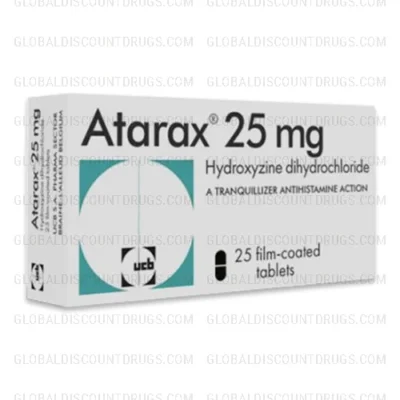
Hydroxyzine
In StockHydroxyzine is a first-generation H1 receptor antagonist with notable sedative, anxiolytic, and anti-emetic properties, used to treat anxiety, pruritus (itching), and as a pre-operative sedative. It works by potently blocking histamine receptors in the brain and periphery. This API is valued as a non-benzodiazepine anxiolytic alternative. Hydroxyzine is a versatile agent used across psychiatry, allergy, and pre-anesthesia.

What is Hydroxyzine?
Hydroxyzine is an antihistamine medication that belongs to a drug class known as first-generation (sedating) antihistamines. Unlike many newer antihistamines, hydroxyzine crosses into the brain and produces noticeable calming and sedative effects, which is why it is used for more than just allergy symptoms.
Approved and commonly prescribed uses include:
- Relief of itching (pruritus) caused by allergic skin conditions, such as hives (urticaria) or contact dermatitis
- Management of anxiety and tension, often as a short-term option
- Sedation before and after general anesthesia, or as part of pre-procedure preparation
- As part of a broader treatment plan for certain allergic reactions
Available formulations and strengths generally include:
- Oral tablets (commonly available in a range of strengths such as 10 mg, 25 mg, and 50 mg)
- Oral capsules (similar strength ranges)
- Oral suspension/syrup for patients who have difficulty swallowing tablets or capsules
- Injectable solution, administered only in a clinical or hospital setting by a healthcare professional
Not all strengths or forms are available under every brand or in every country. A licensed medical specialist or pharmacist can confirm which formulation is appropriate for a specific patient.
What is the Recommended Dosage of Hydroxyzine?
There is no single dose of hydroxyzine that is right for everyone. Dosage depends on several individual factors, including:
- The condition being treated (itching/allergy versus anxiety versus pre-procedure sedation)
- Age (children, adults, and older adults are often dosed differently)
- Body weight, particularly in pediatric patients
- Kidney and liver function, since impaired organ function can affect how the body processes the medication
Available dosage forms include tablets, capsules, oral suspension, and an injectable form used only in clinical settings.
Because dosing is individualized, this page does not provide specific dosing numbers. Patients and caregivers should always follow the exact dose and schedule prescribed by their treating specialist and should never adjust the dose without medical guidance.
How Hydroxyzine Works
Hydroxyzine works by blocking the action of histamine, a natural chemical in the body that is released during allergic reactions and that also plays a role in wakefulness and certain nervous system signals.
By blocking histamine at specific receptor sites, hydroxyzine can:
- Reduce itching, swelling, and other allergy-related skin symptoms
- Produce a calming, sedative effect that may help reduce feelings of anxiety or tension
- Contribute to drowsiness, which is sometimes used intentionally before medical procedures
Hydroxyzine manages symptoms; it does not cure the underlying allergic condition or anxiety disorder. Ongoing use, if appropriate, should be guided and periodically reviewed by a licensed specialist.
Is a Prescription Required to Buy Hydroxyzine Online?
Hydroxyzine is a prescription-only medication in most regions. It should not be purchased or used without a valid prescription from a licensed healthcare provider.
Before starting hydroxyzine, patients should consult an appropriate licensed medical specialist, such as:
- A dermatologist, if the medication is being considered for allergic skin symptoms or itching
- An allergist/immunologist, for broader allergic conditions
- A primary care physician or psychiatrist, if it is being considered for anxiety-related symptoms
- An anesthesiologist or treating physician, if it is being used around a medical procedure
Important safety notes:
- Never purchase hydroxyzine from unlicensed online sellers, as counterfeit medications may be ineffective or unsafe.
- Veterinary formulations of similar medications are not intended for human use and should never be substituted.
- Only obtain hydroxyzine from licensed pharmacies, using a valid prescription from a qualified healthcare provider.
Side Effects of Hydroxyzine
Common Side Effects
These are typically mild and may lessen as the body adjusts:
- Drowsiness or sedation
- Dry mouth
- Headache
- Dizziness
- Fatigue or feeling generally tired
Serious Side Effects
Although uncommon, some effects require prompt medical attention:
- Signs of an allergic reaction, such as facial swelling, difficulty breathing, or widespread rash
- Irregular or rapid heartbeat
- Severe confusion, unusual agitation, or hallucinations
- Difficulty urinating
- Severe drowsiness that interferes with breathing, especially in young children or older adults
Seek immediate medical attention if any serious symptoms occur, or if a person experiences signs of an allergic reaction. This information is provided for awareness and is not a complete list of possible side effects; a full list can be reviewed with a pharmacist or prescribing specialist.
Drug Interactions
Hydroxyzine can interact with a number of other substances, potentially increasing sedation or causing other effects. Categories of possible interaction include:
- Other central nervous system depressants, such as certain sleep aids, sedatives, muscle relaxants, or prescription pain medications
- Other antihistamines or allergy medications, which may compound sedative effects
- Alcohol, which can significantly increase drowsiness and impair coordination
- Certain heart rhythm medications, due to potential effects on heart rhythm
- Over-the-counter (OTC) medications, including some cold, cough, and sleep products that also contain antihistamines
- Supplements and herbal products, such as sedating herbal remedies (for example, valerian root or kava), which may add to drowsiness
Patients should give their prescribing specialist and pharmacist a complete list of all prescription medications, OTC drugs, vitamins, and herbal or dietary supplements they are taking before starting hydroxyzine.
Safety & Important Considerations
- Liver or kidney disease: Impaired liver or kidney function may affect how the body clears hydroxyzine, and dose adjustments may be needed. Patients with these conditions should be evaluated by their specialist before starting treatment.
- Pregnancy and breastfeeding: Use during pregnancy or while breastfeeding should only occur under the guidance of a licensed specialist, who can weigh potential benefits and risks for the individual situation.
- Age-related considerations: Children and older adults may be more sensitive to the sedating effects of hydroxyzine and may require closer monitoring or different dosing approaches.
- Monitoring requirements: Depending on the reason for treatment, a specialist may recommend periodic check-ins to assess symptom control and side effects, particularly with longer-term use.
- Cardiac considerations: Some regulatory guidance highlights the importance of caution in patients with existing heart rhythm concerns; a specialist can determine whether this is relevant to a specific patient.
This medication should be used strictly according to its approved indications. Any consideration of off-label use should be discussed directly with a licensed specialist.
Who This Medication Is For
Hydroxyzine is generally prescribed for patients who have been diagnosed with:
- Allergic skin conditions involving itching, such as chronic hives or allergic dermatitis
- Situational or short-term anxiety, as determined by a qualified healthcare provider
- A clinical need for sedation before or after certain medical or surgical procedures
It is intended for use within an appropriate clinical context, following an evaluation by a licensed specialist who has reviewed the patient’s full medical history.
Who Should Not Take Hydroxyzine
Hydroxyzine may not be appropriate for individuals who have:
- A known allergy to hydroxyzine, cetirizine, or related antihistamine compounds
- Certain heart rhythm disorders, particularly conditions involving a prolonged QT interval
- Significant respiratory conditions where sedation could pose added risk
- Early pregnancy, unless specifically advised by a treating specialist
Important precautions also apply to patients with a history of substance use involving sedatives, those taking other sedating medications, and those who need to remain fully alert for work, driving, or caregiving duties.
This is not a complete list of contraindications. A licensed specialist should review a patient’s full medical history before prescribing hydroxyzine.
What to Do If You Miss a Dose
- Take the missed dose as soon as it is remembered, unless it is close to the time of the next scheduled dose.
- If it is nearly time for the next dose, skip the missed dose and resume the regular schedule.
- Do not double the dose to make up for a missed one.
- If there is uncertainty about what to do, or if multiple doses have been missed, contact the prescribing specialist or pharmacist for guidance.
Related medications to Hydroxyzine
The related medication to hydroxyzine depends on why you’re taking it. Hydroxyzine is commonly prescribed for anxiety, itching/allergies, or occasionally to help with sleep. (MedlinePlus)
Here’s a breakdown:
If you’re taking it for anxiety
- Buspirone – A non-sedating prescription medication for generalized anxiety. It works over several weeks rather than immediately.
- SSRIs/SNRIs (such as sertraline, escitalopram, venlafaxine) – Often considered first-line treatments for ongoing anxiety disorders, though they take several weeks to become effective.
- Propranolol – Can help with physical symptoms of anxiety (racing heart, trembling), especially in performance or situational anxiety.
- Benzodiazepines (e.g., lorazepam, clonazepam) – Fast-acting but generally reserved for short-term use because of the risk of dependence.
If you’re taking it for allergies or itching
Newer, less-sedating antihistamines are often preferred for long-term use:
These usually cause less drowsiness than hydroxyzine.
If you’re taking it as a sleep aid
Hydroxyzine isn’t usually recommended as a long-term sleep medication. Depending on the cause of insomnia, alternatives may include:
- Cognitive behavioral therapy for insomnia (CBT-I)
- Melatonin (for certain sleep disorders)
- Prescription sleep medications when appropriate, as determined by a clinician.
If you’re switching because of side effects
Common reasons people stop hydroxyzine include:
- Next-day drowsiness
- Dry mouth
- Dizziness
- Brain fog
If that’s your situation, your prescriber may recommend a less-sedating option or adjust the dose rather than stopping it abruptly. Hydroxyzine should also be used cautiously in people with certain heart rhythm conditions because it can prolong the QT interval.
Storage Instructions
- Store at room temperature, generally away from excessive heat.
- Keep the medication in its original container, protected from moisture and direct light.
- Do not store in a bathroom or other humid environment.
- Keep out of reach of children and pets, ideally in a secured location.
- Dispose of any unused or expired medication according to local guidelines or pharmacist instructions, rather than discarding it in household trash or flushing it, unless specifically directed to do so.
Disclaimer:
This page is for educational purposes only. It is not a substitute for professional medical advice, diagnosis, or treatment. Patients must consult a licensed dermatologist or other relevant medical specialist before starting, changing, or stopping treatment with hydroxyzine. Treatment decisions must be based on a full clinical evaluation by a qualified specialist who is familiar with the patient’s individual health history.
Prescription Required (Rx) to Buy?
This medication is not available over the counter. A valid prescription from a licensed healthcare
professional is required. Always consult your doctor before use.