
No products in the cart.
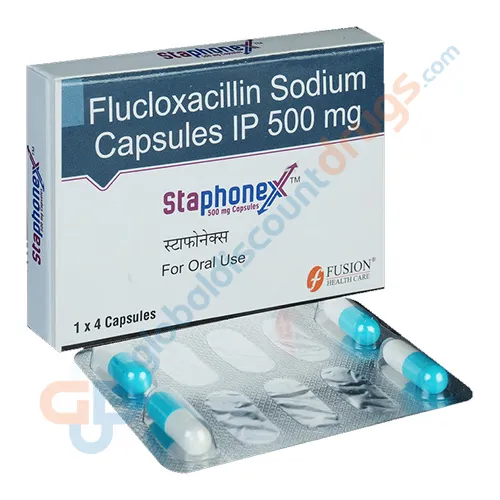
Flucloxacillin Sodium
In StockFlucloxacillin Sodium is a prescription medicine used to treat certain bacterial infections, particularly those caused by susceptible Staphylococcus bacteria affecting the skin, soft tissues, bones, and respiratory tract. It belongs to the penicillin class of antibiotics and works by inhibiting bacterial cell wall synthesis, which helps stop bacterial growth. Use only as directed on the product label or by a healthcare professional.
$14.04 per pill
What is Flucloxacillin Sodium?
Flucloxacillin (Flucloxacillin Sodium) is a prescription antibiotic used to treat infections caused by certain bacteria. It belongs to the penicillin class of antibiotics, which work by killing bacteria responsible for infection.
Healthcare professionals commonly prescribe Flucloxacillin for infections caused by Staphylococcus aureus, including strains that produce penicillin-destroying enzymes.
Common Uses
Flucloxacillin Sodium may be used to treat:
Skin infections
Cellulitis
Impetigo
Infections of bones and joints such as Osteomyelitis
Certain respiratory infections caused by susceptible bacteria
Available Formulations and Strengths
Flucloxacillin Sodium may be available in several forms, including:
Oral capsules
Oral suspension (liquid formulation)
Injectable formulations used in hospitals
Strengths vary by manufacturer and country. A healthcare provider determines the appropriate formulation and dose.
What is the Recommended Dosage of Flucloxacillin Sodium?
The correct dosage of Flucloxacillin Sodium varies depending on the infection being treated and the patient’s clinical condition.
Factors influencing dosage
Healthcare professionals may consider:
Type and severity of bacterial infection
Patient age
Body weight
Kidney or liver function
Response to treatment
Dosage Forms
Flucloxacillin is commonly available as:
Oral capsules
Oral liquid suspension
Injectable forms for hospital use
Important dosing guidance
The medication is usually taken on an empty stomach, often before meals, unless otherwise instructed.
Dosing schedules vary depending on the treatment plan.
Treatment should follow instructions from a licensed physician or infectious disease specialist.
Patients should complete the full course of antibiotics even if symptoms improve.
How Flucloxacillin Sodium Works
Flucloxacillin works by interfering with the bacterial cell wall, which is necessary for bacteria to survive.
By blocking the enzymes responsible for building the bacterial cell wall, the antibiotic causes bacteria to weaken and eventually die.
This action helps the body:
Eliminate bacterial infections
Reduce inflammation associated with infection
Support the immune system in clearing bacteria
Flucloxacillin treats bacterial infections only and does not work against viral illnesses such as colds or influenza.
Is a Prescription Required to Buy Flucloxacillin Sodium Online?
Yes. Flucloxacillin Sodium is a prescription-only antibiotic.
Patients must obtain a prescription from a licensed healthcare professional such as a:
General physician
Infectious disease specialist
Dermatologist for skin infections
Safe purchasing practices
Patients should:
Purchase antibiotics only from licensed pharmacies
Avoid websites selling antibiotics without a prescription
Be cautious of counterfeit or unregulated medicines
Proper diagnosis is essential before starting antibiotic treatment.
Side Effects of Flucloxacillin Sodium
Like many antibiotics, Flucloxacillin may cause side effects.
Common Side Effects
Some patients may experience:
Nausea
Diarrhea
Stomach discomfort
Mild skin rash
Changes in taste
These symptoms are usually mild and temporary.
Serious Side Effects
Rare but serious side effects may include:
Severe allergic reactions such as swelling or breathing difficulty
Severe skin reactions
Signs of Liver injury such as yellowing of skin or eyes
Persistent diarrhea associated with antibiotic-related intestinal conditions
Immediate medical attention is required if severe symptoms occur.
Drug Interactions
Flucloxacillin may interact with certain medications that affect liver metabolism or immune function.
Important interaction categories
Other antibiotics
Blood-thinning medications
Certain immune-modulating medications
Over-the-counter medicines and supplements
Patients should inform their healthcare provider about:
OTC medications
Herbal supplements
Vitamins
Probiotic products
Providing a complete medication list helps reduce the risk of interactions.
Safety & Important Considerations
Several health conditions should be considered before taking Flucloxacillin.
Penicillin Allergy
Patients with a known penicillin allergy should inform their healthcare provider before using Flucloxacillin.
Liver Function
In rare cases, Flucloxacillin may affect liver function, particularly during prolonged treatment.
Pregnancy and Breastfeeding
Patients who are pregnant or breastfeeding should consult their healthcare provider before taking antibiotics.
Monitoring
Healthcare providers may monitor:
Infection response to treatment
Signs of allergic reaction
Liver function in long courses of therapy
Regular follow-up ensures safe antibiotic use.
Who This Medication Is For
Flucloxacillin Sodium is typically prescribed for individuals with bacterial infections caused by susceptible organisms, particularly staphylococcal infections.
Patients may include:
Individuals with skin or soft-tissue infections
Patients with bone or joint infections
Individuals recovering from infected wounds
Treatment decisions are based on clinical evaluation and laboratory testing when necessary.
Who Should Not Take Flucloxacillin Sodium
Certain individuals should avoid this medication unless advised otherwise by a healthcare provider.
Contraindications
Flucloxacillin should generally not be used in patients who:
Have a known allergy to penicillin antibiotics
Have experienced severe liver problems related to flucloxacillin
Precautions
Patients with the following conditions should discuss risks with their healthcare provider:
Liver disease
Kidney disease
History of antibiotic allergies
A healthcare provider should evaluate these factors before treatment begins.
What to Do If You Miss a Dose
If a dose of Flucloxacillin is missed:
Take the missed dose as soon as you remember.
If it is nearly time for the next scheduled dose, skip the missed dose.
Do not take two doses at the same time.
Patients unsure about dosing should consult their healthcare provider.
Alternatives to Flucloxacillin Sodium
Other antibiotics may be used depending on the infection and bacterial susceptibility.
Examples include:
Amoxicillin
Cephalexin
Clindamycin
Choice of antibiotic depends on the type of infection, bacterial sensitivity, and patient medical history.
Storage Instructions
To maintain medication safety:
Store capsules at room temperature.
Keep away from heat, moisture, and direct sunlight.
Keep medication in the original packaging.
Keep out of reach of children and pets.
Follow pharmacy guidance for proper disposal of unused medication.
Disclaimer:
Educational Notice
This page is provided for educational purposes only and is not a substitute for professional medical advice, diagnosis, or treatment.
Patients should consult a licensed physician or infectious disease specialist before starting, changing, or stopping Flucloxacillin Sodium therapy.
All treatment decisions must be based on a complete clinical evaluation and individualized medical assessment performed by a qualified healthcare professional.


$1.98 – $2.42 per pill

$10.64 – $13.00 per pill


$0.48 – $0.59 per pill


$0.41 – $0.65 per pill


