
No products in the cart.


Fenbendazole
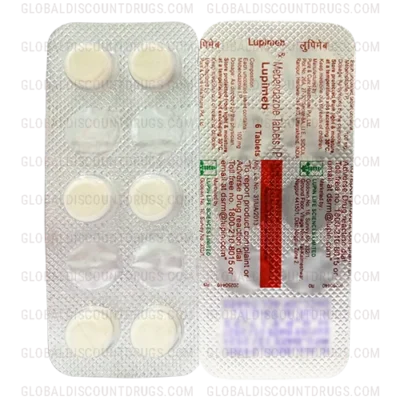
In StockFenbendazole is a prescription medicine used to treat infections caused by certain intestinal parasites, including roundworms, hookworms, and whipworms. It belongs to the benzimidazole class of antiparasitic medicines and works by disrupting the parasites’ cellular structure and energy metabolism, helping eliminate them from the body. Treatment supports parasite clearance and symptom relief. Use only as directed on the product label or by a healthcare professional.
$11.45 per pill
What is Fenbendazole?
Fenbendazole is an anthelmintic (anti-parasitic) medication used to treat infections caused by certain intestinal worms. It belongs to a group of medicines known as benzimidazole antiparasitics, which interfere with the metabolism of parasitic worms.
Fenbendazole is widely used in veterinary medicine to treat parasitic infections in animals such as dogs, cats, cattle, and horses.
Common veterinary uses include treatment of:
Roundworms (Ascarids)
Hookworms
Whipworms
Certain tapeworm infections
Giardia infections in some animals under veterinary supervision
Fenbendazole works by damaging the internal structures of parasites, which prevents them from surviving or reproducing.
It is important to note that fenbendazole is primarily approved for veterinary use in many regions.
Available formulations and strengths
Fenbendazole is typically available in veterinary formulations such as:
Oral granules
Oral suspensions
Tablets
Medicated feed additives
Strengths and dosage forms vary depending on the animal species and product manufacturer.
What is the Recommended Dosage of Fenbendazole?
The correct dosage of fenbendazole must be determined by a licensed veterinarian based on:
The animal species
Body weight
Type of parasitic infection
Severity of infection
Overall health of the animal
Dosage forms
Fenbendazole may be administered as:
Oral granules mixed with food
Oral liquid suspensions
Tablets given directly or mixed with food
Veterinary professionals determine the appropriate dosing schedule and duration of treatment.
Animal owners should follow veterinary instructions carefully and should not change the dose without professional guidance.
How Fenbendazole Works
Fenbendazole works by disrupting the cellular metabolism of parasitic worms.
Specifically, it interferes with the parasite’s ability to form microtubules, which are essential for:
Nutrient absorption
Cellular structure
Energy production
Without proper cellular function, the parasite cannot survive and is eventually eliminated from the host animal’s body.
Fenbendazole helps remove parasitic infections but does not prevent future infections if animals are exposed again.
Is a Prescription Required to Buy Fenbendazole Online?
In many regions, fenbendazole products are available for veterinary use through licensed veterinary suppliers or pharmacies.
However, animal owners should still consult a licensed veterinarian before using the medication. A veterinarian can:
Confirm the type of parasitic infection
Determine the correct dosage
Evaluate the animal’s health status
When purchasing veterinary medications online, it is important to:
Use reputable veterinary pharmacies
Avoid counterfeit or unregulated products
Ensure the medication is intended for the specific animal species
Using incorrect or improperly labeled products may be unsafe.
Side Effects of Fenbendazole
Fenbendazole is generally well tolerated in animals when used as directed by a veterinarian.
Common Side Effects
Some animals may experience mild side effects such as:
Temporary vomiting
Mild diarrhea
Reduced appetite
Lethargy
These effects are usually mild and resolve after treatment.
Serious Side Effects
Serious side effects are uncommon but may include:
Severe allergic reactions
Persistent vomiting or diarrhea
Signs of dehydration
Unusual weakness or behavior
Animal owners should contact a veterinarian immediately if severe symptoms occur.
Drug Interactions
Fenbendazole may interact with certain medications used in veterinary care.
Prescription medications
Possible interactions may include:
Other antiparasitic medications
Certain anti-inflammatory drugs
Medications affecting liver metabolism
Over-the-counter animal medications
Interactions may occur with:
Deworming products
Digestive treatments
Nutritional supplements
Supplements and herbal products
Some herbal animal supplements may influence digestion or metabolism and could affect treatment.
Animal owners should inform their veterinarian about all medications and supplements the animal is receiving.
Safety & Important Considerations
Several safety considerations should be taken into account when using fenbendazole.
Veterinary use
Fenbendazole is primarily intended for veterinary use. Animal owners should follow veterinary guidance when administering this medication.
Species-specific dosing
Different animal species require different dosage calculations. Using incorrect dosing can reduce effectiveness or increase the risk of side effects.
Pregnancy considerations in animals
Some veterinary guidelines recommend caution when administering fenbendazole to pregnant animals, depending on the species and stage of pregnancy.
Monitoring
Veterinarians may recommend:
Stool testing to confirm parasite infection
Follow-up testing after treatment
Monitoring of symptoms during therapy
Regular veterinary evaluation helps ensure effective parasite control.
Who This Medication Is For
Fenbendazole is commonly used for animals diagnosed with parasitic worm infections.
Typical veterinary patients include:
Dogs
Cats
Livestock such as cattle and sheep
Horses
Other animals depending on veterinary approval
Veterinary professionals determine whether fenbendazole is appropriate based on the animal’s diagnosis.
Who Should Not Take Fenbendazole
Fenbendazole may not be appropriate in certain situations.
Precautions may include:
Known allergy to benzimidazole antiparasitic medications
Certain medical conditions affecting digestion or liver function
Animals with severe illness requiring specialized treatment
A veterinarian should evaluate the animal before treatment begins.
What to Do If You Miss a Dose
If a scheduled dose is missed:
Administer the missed dose as soon as possible.
If it is close to the next scheduled dose, skip the missed dose.
Animal owners should not give double doses unless instructed by a veterinarian.
If multiple doses are missed, contact a licensed veterinarian for guidance.
Alternatives to Fenbendazole
Several other antiparasitic medications may be used depending on the type of parasite and animal species.
Examples include:
Albendazole
Mebendazole
Ivermectin
Praziquantel
Pyrantel pamoate
The appropriate medication depends on the type of parasite infection and the animal being treated. Treatment decisions should be made by a licensed veterinarian.
Storage Instructions
Fenbendazole should be stored according to standard medication safety recommendations.
General storage guidelines include:
Store at room temperature
Keep away from excess heat and moisture
Protect from direct sunlight
Keep the container tightly closed
For safety:
Store medication out of reach of children and animals
Do not use after the expiration date
Dispose of unused veterinary medication according to veterinary or local waste guidelines
Disclaimer
This page is for educational purposes only.
The information provided here is not a substitute for professional veterinary advice, diagnosis, or treatment.
Animal owners must consult a licensed veterinarian before starting, changing, or stopping treatment with fenbendazole.
Treatment decisions should always be based on a complete clinical evaluation conducted by a qualified veterinary professional.


$0.29 per pill

$0.51 per pill

$0.49 – $0.60 per pill


$3.60 – $4.40 per pill


