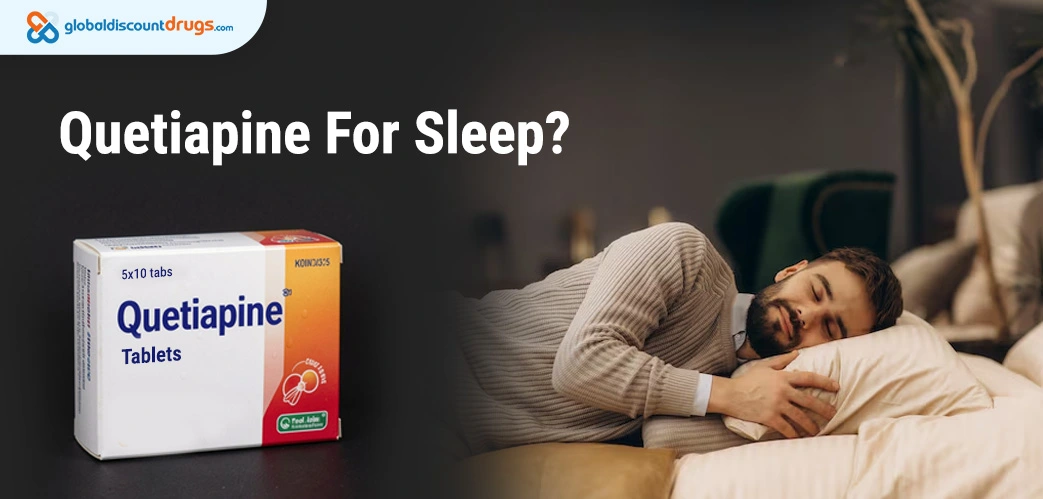
Quetiapine for Sleep: Benefits, Risks, and What You Should Know

Medically Reviewed By

Dr. Roger H – General Practitioner | Last Reviewed: March 23, 2026

While spending a night tossing and turning, you can know how desperate the search for a good night’s rest can be. In some of the recent years, a quetiapine medication  (brand name Seroquel) has a common topic in sleep discussions. While it is a powerful tool for specific mental health conditions, using it specifically for sleep just a bit more complicated than it can be quite well seem.

What is Quetiapine?

Quetiapine medicine belongs to a class of drugs like atypical antipsychotics. This medication was originally designed and approved by the FDA to overcome condition including: 
  • Schizophrenia 
  • Bipolar disorder 
  • Major depressive disorder (as an add-on treatment)
The medicine works by changing the balance of natural chemicals in the brain like dopamine and serotonin. However, one of its most noticeable side effects is just so well drowsiness. As of this, some doctors prescribe it "off-label" to help those people who might struggle with condition of insomnia. 

Is Quetiapine FDA-Approved for Sleep?

No, quetiapine is not approved by the FDA as this medicine is a treatment for insomnia. When a doctor prescribes this medicine for sleep, it is considered an "off-label" use. This shall also mean that while the drug is well legal and safe for its intended purposes, the FDA has not officially confirmed that its benefits for sleep outweigh the potential risks for the public.
$0.12 per pill
Most medical experts and organizations, such as the American Academy of Sleep Medicine, suggest trying other treatments including Cognitive Behavioral Therapy for Insomnia (CBT-I) that shall be right before turning to antipsychotic medications.

Why Does It Make You Sleepy?

At very low doses (which is approx. 25 mg to 50 mg), quetiapine medicine just acts like a very strong antihistamine. This medicine does the job by blocking the H1-receptors in your brain that are highly are responsible for keeping one awake and alert. This is why it can make you feel heavy-eyed and ready for bed shortly after taking it. 

Potential Side Effects and Risks

As the medicine quetiapine is a potent psychiatric medication, even low doses that are used for sleep can carry significant side effects. This is a primary reason as to why it is rarely the first choice for simple insomnia.
  1. Metabolic Changes

Even at those low doses, quetiapine medicine might have been linked to weight gain and changes in blood sugar or cholesterol levels. Some of the people are seen finding they feel hungrier than usual that can also lead to metabolic issues over time. 
  1. The "Seroquel Hangover"

Many users report feeling extremely groggy the next morning. This "hangover" can further effect and this can make it difficult to drive, work, or focus clearly during the first few hours of the day. 
  1. Movement Disorders

Though those rare at low doses, antipsychotics can further sometimes lead to involuntary muscle movements or restlessness, a condition like tardive dyskinesia. 
  1. Risks for Older Adults

For seniors, the risks are quietly much higher. There have been several mMedical studies that have all shown that quetiapine medicine can enhance the risk of falls, confusion, and even strokes in older adults with dementia condition. You can further read more about these safety warnings before using them on.

Important Safety Guidelines:

While you and your doctor shall decide that quetiapine is the right choice for that situation, you need to follow some of the safety steps mentioned below: 
  • Never Self-Medicate: Never use the medicine quetiapine as it was prescribed for someone else. This shall further need a doctor’s supervision to ensure it does not interact with other medications that are used. 
  • Alcohol Warning: Never drink alcohol while taking the medicine quetiapine. Alcohol can dangerously enhance the sedative effects, which leads to that severe respiratory condition or extreme dizziness. 
  • Monitor The Health: Keep an eye on the weight and the blood pressure. The doctor shall further wish to perform regular blood tests to check the glucose and cholesterol levels too. 
  • Do not Stop Suddenly: If you have been using the medicine quetiapine regularly, stopping "cold turkey" as it can lead to some of the withdrawal symptoms including nausea, irritability, or even worse insomnia. Also make sure you taper off under a doctor's guidance.
Quetiapine medicine can be a life-changing medication for those with some of the issue like bipolar disorder or schizophrenia who have also issues with sleep. However, for the average person with occasional insomnia, the risks are about the weight gain and metabolic changes usually outweigh the benefits. Always talk to your healthcare provider about your specific sleep patterns. They can help in finding a solution that is both effective and safe for your long-term health.
Leave a comment

You must be logged in to post a review.

* Comment

* Name

* Email

Web Site

Product was successfully added to your cart!