Hormonal Acne: Why It Happens and How to Achieve Lasting Clear Skin

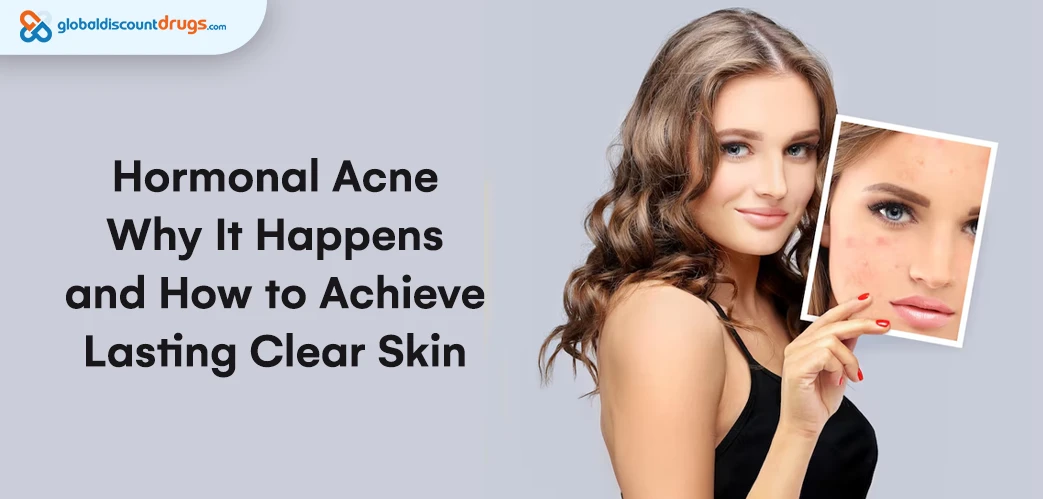
Hormonal acne is frustratingly stubborn. Unlike the occasional blackhead, these deep, painful breakouts often follow a predictable pattern, focusing on the jawline, chin, and neck. If you’ve struggled with recurring cysts around your menstrual cycle or well into adulthood, hormones are likely the driving factor. 

This guide will explain the science behind hormonal acne and provide a focused, effective treatment plan involving both topical solutions and systemic, hormone-regulating therapies. 

What Defines Hormonal Acne? 

While all acne involves hormones to some extent, “hormonal acne” refers to breakouts directly influenced by monthly or cyclical fluctuations in the body’s androgen levels. 

Key Characteristics of Hormonal Acne 

Hormonal acne is typically identified not just by the type of lesion, but by where and when it appears: 

  1. Location: Breakouts are most common along the lower third of the face—the jawline, chin, and neck. These areas have dense concentrations of oil glands that are highly sensitive to hormonal shifts. 
  1. Timing: Breakouts often flare up about a week before the menstrual period (during the luteal phase) and subside once the period begins. This timing corresponds to a relative increase in androgen activity. 
  1. Lesion Type: It usually manifests as deep, tender, inflammatory cysts or nodules that are painful to the touch and can last for weeks. 
  1. Age of Onset: While common in teens, it is the primary culprit behind adult-onset acne in people in their 20s, 30s, and 40s. 

The Hormone Connection: Androgens and Sebum 

The primary drivers of hormonal acne are androgens (male hormones present in everyone, like testosterone and DHEA). 

  • Androgen Overdrive: When androgen levels are high, or when your oil glands are hyper-sensitive to normal androgen levels, they trigger excessive sebum production. 
  • The Chain Reaction: This excess sebum combines with dead skin cells to create the perfect blockage, leading to the severe inflammation and deep cysts characteristic of hormonal acne. 


Topical Strategies for Hormonal Breakouts 

Topical treatments alone are often not sufficient to halt the deep, cyclical nature of hormonal acne, but they are essential for clearing current inflammation and preventing new blockages. 

Daily Preventative Agents (Retinoids)

Topical Retinoids (prescription Tretinoin or over-the-counter Adapalene) are the cornerstone of any acne routine, especially hormonal acne. They normalize cell turnover, preventing the microcomedone (the initial plug) from ever forming. By keeping pores clear, they make it harder for the hormonal surge to create a deep cyst. 

Spot-Treating Inflammation (Benzoyl Peroxide)

Benzoyl Peroxide (BP) is crucial for spot-treating the painful inflammation. Its primary role is to act as an antimicrobial agent, killing the C. acnes bacteria inside the pore, which rapidly reduces the swelling and redness of existing cysts and nodules. 

Reducing Redness and Inflammation (Azelaic Acid)

Azelaic Acid is a powerhouse often overlooked. It has antibacterial and anti-inflammatory properties, but its greatest benefit here is reducing the persistent redness and brown marks (PIH/PIE) that deep hormonal cysts leave behind. It’s also gentler than many other actives, making it ideal for inflamed skin. 


Systemic Treatments (The Hormone Regulators) 

For hormonal acne that is moderate-to-severe and unresponsive to topicals, systemic (oral) medications that regulate or block the hormonal signals are required. These treatments require a consultation with a dermatologist. 

Spironolactone (For Women)

This is often the first-line oral treatment for adult women with stubborn hormonal acne. 

  • How it Works: Spironolactone is an androgen receptor blocker. It works by reducing the effect of androgens on the sebaceous glands, thus decreasing oil production and halting the chain reaction that leads to cysts. 
  • Dosage and Results: It starts at a low dose (25mg-50mg) and may be gradually increased. Results are slow but steady, typically taking 3 to 6 months to see a significant effect. 
  • Safety Note: Spironolactone is a diuretic (increases urination) and cannot be used during pregnancy due to the risk of feminizing a male fetus. 

Combined Oral Contraceptives (COCs) (For Women)

Certain birth control pills can be incredibly effective for women whose acne is clearly cyclical. 

  • How it Works: COCs containing both estrogen and progestin suppress ovarian androgen production and increase Sex Hormone Binding Globulin (SHBG), which binds up circulating testosterone. The net result is less free androgen to stimulate oil glands. 
  • FDA Approval: Several COCs are FDA-approved specifically for acne treatment (e.g., those containing Norgestimate/Ethinyl Estradiol). 
  • Consultation: Always discuss your full medical history with your doctor, as COCs carry risks, including blood clots. 

Oral Antibiotics

Antibiotics like Doxycycline or Minocycline are used as a short-term bridge to bring severe inflammation under control quickly while waiting for Spironolactone or COCs to take effect. They are powerful anti-inflammatory agents but are not a long-term cure for hormonal acne. 

Isotretinoin (Accutane)

Reserved for the most severe, scarring cystic acne that is resistant to all other hormonal and topical treatments. Isotretinoin dramatically shrinks the oil glands and is considered a curative treatment for many. 


Lifestyle Factors for Hormonal Balance 

While prescriptions are highly effective, incorporating specific lifestyle adjustments can support hormonal balance and reduce flare-ups. 

Diet and Glycemic Index (GI) 

Research suggests that diets high in High-GI foods (like white bread, processed sugars, and highly refined carbohydrates) can increase insulin-like growth factor (IGF-1), which in turn increases androgen activity. 

  • Actionable Tip: Focus on a low-GI diet rich in whole foods, vegetables, and lean proteins to minimize blood sugar spikes. 

Dairy and Hormones 

Studies have specifically linked the consumption of skim milk to increased acne severity. Skim milk contains hormones and growth factors that may mimic or amplify androgen signals in the body. 

  • Actionable Tip: If you consume dairy daily, try an 8-week elimination trial, switching to unsweetened alternatives like almond or oat milk to see if your acne improves. 

Stress Management 

Chronic stress elevates the hormone cortisol. While not an androgen, high cortisol levels can interact with androgens to increase oil production and cause inflammation. Finding effective ways to manage chronic stress is a powerful, non-pharmacological treatment for hormonal acne. 


Conclusion: Achieving Consistency and Patience 

Treating hormonal acne is a marathon, not a sprint. Because the goal is to regulate internal processes, it takes time. 

  1. Commit to Consistency: Regardless of the treatment plan (topical or systemic), you must adhere to it daily for a minimum of 3 to 6 months before evaluating its true effectiveness. 
  1. Partner with a Dermatologist: If your acne is cystic, painful, or causing scarring, do not delay. A board-certified dermatologist can safely and effectively prescribe the systemic treatments that directly target the hormonal roots of your breakouts. 

By addressing the root hormonal cause, you can move past the frustrating cycle of deep breakouts and achieve lasting clear skin. 


FAQs on Hormonal Acne Solutions

How to Get Rid of Hormonal Acne

The most effective way to get rid of true hormonal acne is through systemic, hormone-regulating therapies, as topical treatments alone often cannot counteract the internal hormonal signal. The core strategy is:

  1. Systemic Regulation (Prescription): Medications like Spironolactone (an androgen blocker, for women) or Combined Oral Contraceptives COCs that regulate androgen levels are the long-term solution. Results typically take 3 to 6 months.
  2. Topical Prevention: Use a daily topical Retinoid (like Tretinoin or Adapalene) to normalize cell turnover and prevent the hormonal surge from creating deep blockages.
  3. Inflammation Control: Use Benzoyl Peroxide for spot-treating the deep, painful cysts that do occur.


How to Treat Hormonal Acne

Treating moderate-to-severe hormonal acne requires targeting the root cause: androgen overdrive that leads to excessive oil production. Treatment options, requiring a dermatologist consultation, include:

  • Spironolactone: Reduces the effect of androgens on the oil glands, decreasing sebum production.
  • Combined Oral Contraceptives COCs: Specifically formulated pills suppress ovarian androgen production and bind circulating testosterone.
  • Oral Antibiotics: Used short-term (e.g., Doxycycline) to rapidly control severe inflammation while waiting for hormone regulators to take effect.
  • Isotretinoin (Accutane): Reserved for severe, scarring cystic acne resistant to all other therapies, as it dramatically and permanently shrinks oil glands.


How to Stop Hormonal Acne

Stopping hormonal acne requires a long-term commitment to regulation, as the goal is to stabilize your body’s internal cycle.

  • Consult a Dermatologist: If your acne is cystic, painful, and cyclical (flaring before your period), you need a systemic treatment (Spironolactone or COCs.
  • Time Commitment: Once a systemic treatment is started, you must adhere to it consistently for 3 to 6 months before evaluating its true effectiveness, as hormonal regulation is a slow process.
  • Prevention: Daily use of Topical Retinoids is key for prevention, as they keep pores clear, making it difficult for the hormonal surge to initiate a deep breakout.


What Does Hormonal Acne Look Like?

Hormonal acne is identified by a specific pattern and type of lesion:

  • Location: Primarily occurs along the lower third of the face: the jawline, chin, and upper neck.
  • Timing (Cyclical): Typically flares up about one week before the menstrual period (during the luteal phase), corresponding to hormonal shifts.
  • Lesion Type: Usually presents as deep, painful, tender cysts or nodules that feel like lumps beneath the skin and can last for weeks.
  • Age: It is the primary cause of persistent adult-onset acne in individuals in their 20s, 30s, and 40s.


5. How to Treat Hormonal Acne Naturally at Home

While natural methods alone are often insufficient for moderate-to-severe hormonal acne, incorporating lifestyle adjustments can support medical treatments and reduce flare-ups:

  • Low-Glycemic Index (GI) Diet: Focus on whole foods, lean proteins, and low-GI carbohydrates to minimize blood sugar spikes, which can reduce the stimulation of androgens that trigger oil production.
  • Dairy Elimination Trial: Studies link skim milk consumption to increased acne severity. Try substituting cow’s milk with unsweetened alternatives (like almond or oat milk) for 8 weeks to assess its impact.
  • Stress Management: Chronic stress increases the hormone cortisol, which can interact with androgens to increase oil and inflammation. Practices like meditation, regular exercise, and adequate sleep help lower cortisol levels.
Leave a comment

You must be logged in to post a review.

* Comment

* Name

* Email

Web Site

Product was successfully added to your cart!