No products in the cart.
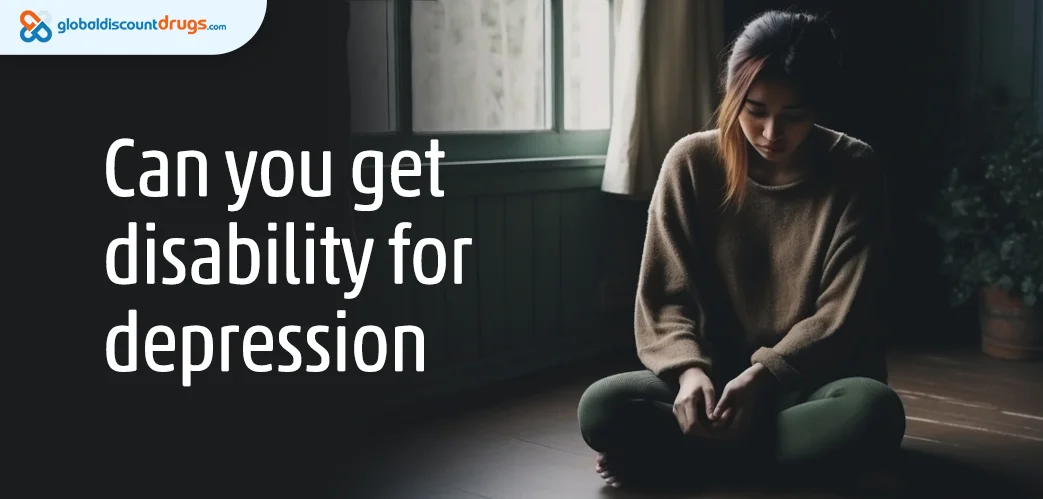

Many people who are seen to be living with depression struggle for keeping up those daily responsibilities, including work. It can all lead to some of the common and important question: can you get disability for depression? The short answer is yes, but approval depends on how severe the condition is and how much it might limit your daily functioning.
Depression is a real medical issue; it is not about any of the personal weakness. When symptoms might all be about long-lasting and disabling. It might be about qualifying for disability benefits through programs including Social Security.
Depression might all go beyond temporary sadness or stress. Such things shall affect mood, thinking, sleep, energy, and motivation in several ways that can disrupt everyday life.
Some people are well diagnosed with numerous major depressive disorder that shall include deep sadness, loss of interest, and difficulty functioning for long periods. When symptoms last for months or years, depression like condition might be considered as some sort of mental disability.
Disability like condition benefit might be about providing financial support to people that further cannot work as of those medical issues. Such benefits might all help in covering basic living needs when steady employment is not possible.
In the United States, disability benefits are further about handling the Social Security Administration. It shall recognize both physical and mental health conditions, which shall also include depression disability approval like condition.
There are many people who might wonder whether depression qualifies for certain disability support. The decision can all depend on how much the condition shall interfere with that daily life and work balance.
Depression like condition might qualify when it might lead to severe functional limitations, like:
Some of the challenges must be ongoing and they can be well documented.
The Social Security Administration is to follow some of the strict rules while reviewing several claims. They might examine medical records, treatment history, and symptom impact.
They must also check if the condition might last or is expect at least 12 months. Short episodes might not qualify unless they are severe and recurring.
Work impairment is known to be one of the most important factors about that disability decision. This is about referring how depression like condition shall affect the ability to perform job duties.
Some of the common work-related struggles, which are mentioned below they are:
If such issues might prevent steady employment, disability can be considered.
Strong medical evidence is needed for disability approval. Doctors, therapists, and psychiatrists shall all play a key role in documenting symptoms.
Helpful evidence might be about including diagnosis records, treatment notes, medication history, and therapy reports. Consistent treatment shows that the condition is serious and ongoing.
Long-term depression is more likely to qualify for disability benefits than short-term episodes. Chronic symptoms suggest a lasting impact on functioning.
Ongoing treatment, medication adjustments, or hospital visits help show that depression has not improved with time. This supports the need for long-term assistance.
Applying for disability for mental illness can be difficult. Mental symptoms are not visible, which makes clear documentation very important.
Many applications are denied at first. This does not mean the condition is not real, but that more evidence may be needed.
Social Security also looks at how depression affects everyday activities, not just work.
Examples include difficulty:
These struggles help show how deeply depression affects daily functioning.
Applying for disability involves paperwork, medical records, and sometimes evaluations. The review process can take several months.
Officials assess whether depression prevents any full-time work, not just the applicant’s previous job. This step often determines the final decision.
Many people receive a denial on their first application. Appeals are common and often successful when more evidence is added.
Professional help, such as legal or advocacy support, can improve chances during appeals. Persistence is often necessary.
Regular mental health treatment helps both recovery and disability claims. Therapy and medication records show ongoing effort and need.
Stopping treatment without medical advice may weaken a claim. Consistent care strengthens credibility and supports healing.
So, can you get disability for depression? Yes, when depression causes serious and lasting limitations that prevent consistent work, it may qualify for disability benefits.
The process takes time, evidence, and patience. With proper medical care and documentation, people with severe depression can receive the support they need to manage daily life and focus on recovery.

Kevin P draws on 10+ years of health expertise to share actionable wellness tips. He focuses on making health achievable for everyone.

We, at the Global Discount Drugs, pride ourselves in placing our customers’ privacy high on our list of priorities. At every step, we make sure our customers’ privacy is protected and their personal information is kept confidential. These are the policies that we follow when we gather, use, maintain and protect personal information from our customers:
At the Global Discount Drugs, we only collect relevant and necessary information that we need to carry out our customers’ orders. This includes the following:
It is fully left to the discretion of our customers whether or not they chose to provide us with this information and how much information they provide us with. However, we make recommendations based on the information that they provide and it becomes difficult for us to suggest alternatives if we have not been given adequate information. We may even request additional information in case we are not able to carry out the request based on the information provided. We also maintain a file on our customers on their personal information that our customers can update from time to time.
We collect personal information from our customers in order to serve them better and quickly and effectively provide them with the appropriate services they require.
Customers’ consent is always taken before making use of their personal information. We only use their personal information for the purposes that we disclose to them.
Customers’ personal information is shared with an outside source only under the following circumstances:
Only in some cases such as when it comes to employing legal methods to collect a delinquent account, a medical emergency or suspicion of illegal activities do we legally access and disclose our customers’ personal information.
At the Global Discount Drugs, we employ very strict security measures to ensure that our customers’ personal information is protected against inappropriate use, disclosure or alteration.
We employ the latest technology to maintain high security standards and restrict access to electronic flies containing our customers’ data. Our firewall infrastructure is strictly adhered to and we regularly update our security settings.
Customer information stored in paper based files is kept in restricted areas and only authorized employees are allowed to access them. All our employees sign confidentiality agreements when they join our organization which binds them to follow our strict privacy policies and procedures. They are strictly forbidden from accessing customer information without the appropriate authorization and may even be dismissed in case they, in any way, compromise our customers’ privacy.
It is highly important for our customers to keep their personal information up-to-date as we, at the Global Discount Drugs, make recommendations and decisions based on the information that our customers provide us.
Customers can access and modify their information in case they wish to make any changes or corrections in case of a clerical error on our part. Once the customer informs us about the incorrect or old information in their file, we carry out the necessary changes. We also make these changes known to any other parties who we may have passed the incorrect information onto.
Any queries that our customers may have regarding our privacy policies and procedures can be directed towards our Privacy official at the following mail id: webmaster@globaldiscountdrugs.com
From time to time, additions, insertions and modifications may be made to the existing policy. If and when changes are made in our privacy policy and procedures, our customers can come to know about it by referring to the modification date found at the bottom of the Global Discount Drugs privacy policy web page.


