
No products in the cart.

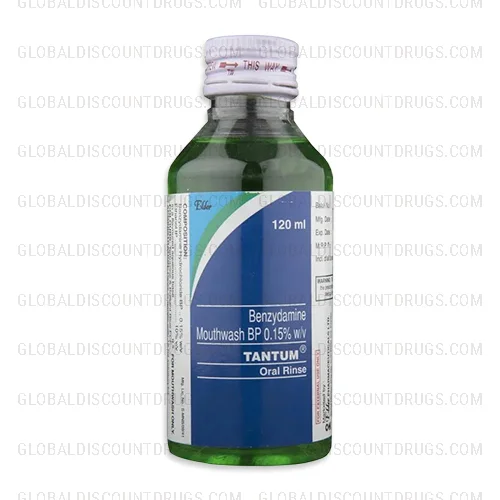
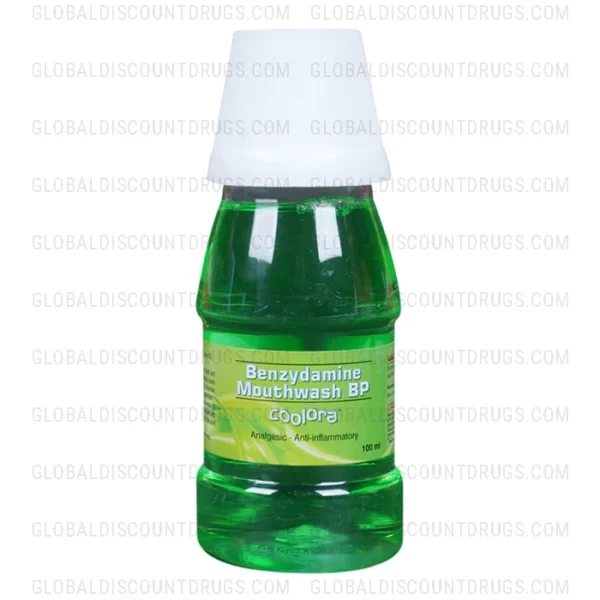
Benzydamine
In StockBenzydamine is a prescription medicine used to help relieve pain and inflammation associated with conditions affecting the mouth and throat, such as sore throat, oral inflammation, and mucosal irritation. It works as a nonsteroidal anti-inflammatory agent that helps reduce swelling and discomfort in affected tissues. This action supports symptom relief and improved comfort. Use only as directed on the product label or by a healthcare professional.
$7.56 per pill
What is Benzydamine?
Benzydamine is a medication used to relieve pain, inflammation, and irritation in the mouth and throat. It belongs to a group of medicines known as nonsteroidal anti-inflammatory drugs (NSAIDs) used for local treatment. Unlike systemic NSAIDs taken by mouth for whole-body effects, benzydamine is typically applied directly to affected tissues.
Healthcare professionals may recommend benzydamine for conditions involving irritation or inflammation in the oral cavity or throat.
Common medical uses include:
Relief of sore throat and throat inflammation
Treatment of mouth ulcers
Relief of gum inflammation (gingivitis)
Pain relief after dental procedures
Irritation caused by oral infections or minor injuries
Benzydamine helps reduce pain and inflammation locally but does not treat the underlying cause of infection unless combined with other treatments when necessary.
Available formulations and strengths
Benzydamine is available in several local formulations, including:
Oral mouthwash or gargle solution
Throat spray
Lozenges
Topical gel or cream in some regions
The exact strengths and formulations may vary depending on manufacturer and country.
What is the Recommended Dosage of Benzydamine?
The appropriate dosage of benzydamine depends on the condition being treated and the formulation used. A licensed healthcare professional, such as a dentist, primary care physician, or ear, nose, and throat (ENT) specialist, should determine proper use.
Dosage considerations may include:
Severity of oral or throat inflammation
Age of the patient
Medical history
Other medications being taken
Dosage forms
Benzydamine may be used as:
Mouthwash or gargle
Throat spray
Lozenges
Topical gel
Patients should follow the instructions provided by their healthcare professional or product labeling. Excessive or prolonged use should be avoided unless recommended by a healthcare professional.
How Benzydamine Works
Benzydamine works by reducing inflammation and pain in the affected tissues.
It acts locally by:
Decreasing the release of inflammatory chemicals
Reducing swelling and irritation
Providing a local anesthetic effect, which helps relieve pain and discomfort
Because it is typically applied directly to the mouth or throat, the medication works mainly at the site of application rather than throughout the entire body.
Benzydamine helps manage symptoms such as pain and inflammation but does not cure the underlying condition causing irritation if it is due to infection or other disease.
Is a Prescription Required to Buy Benzydamine Online?
In many regions, certain formulations of benzydamine may be available without a prescription, while others may require medical authorization depending on strength and formulation.
Patients are encouraged to consult a licensed healthcare professional, such as:
A dentist
A primary care physician
An ear, nose, and throat (ENT) specialist
These professionals can determine whether benzydamine is appropriate and whether additional treatment is required.
When purchasing medications online, patients should:
Use licensed and regulated pharmacies
Avoid products from unverified sources
Be cautious of counterfeit medications
Unregulated products may not meet quality or safety standards.
Side Effects of Benzydamine
Benzydamine is generally well tolerated when used as directed, but side effects may occur.
Common Side Effects
Possible mild side effects may include:
Temporary numbness or tingling in the mouth
Mild burning or stinging sensation
Dry mouth
Altered taste
Local irritation at the application site
These effects are usually temporary and mild.
Serious Side Effects
Rare but serious reactions may include:
Allergic reactions
Swelling of the mouth or throat
Difficulty breathing
Severe skin reactions
Patients should seek immediate medical attention if signs of a serious allergic reaction occur.
Drug Interactions
Because benzydamine is typically used locally, the risk of systemic drug interactions is relatively low. However, patients should still inform their healthcare professional about all medications they are taking.
Prescription medications
Possible interactions may occur with:
Other topical oral medications
Medications affecting oral tissues or healing
Over-the-counter medications
OTC oral products such as:
Mouthwashes
Oral pain relievers
Throat lozenges
may interact or cause increased irritation if used simultaneously.
Supplements and herbal products
Herbal mouth products or supplements affecting oral health should also be disclosed to healthcare professionals.
Patients should provide a complete medication list to their healthcare provider.
Safety & Important Considerations
Several safety considerations should be taken into account when using benzydamine.
Duration of symptoms
Persistent mouth or throat symptoms lasting more than several days should be evaluated by a healthcare professional.
Use in children
Use in children should follow guidance from a pediatrician or dentist, as some formulations may not be suitable for young children.
Pregnancy and breastfeeding
Individuals who are pregnant or breastfeeding should consult a healthcare professional before using benzydamine.
Oral health conditions
Patients with severe oral infections, ulcers, or unexplained throat symptoms should seek medical evaluation before using symptom-relief medications.
Monitoring
Healthcare professionals may evaluate:
Oral healing
Persistence of symptoms
Underlying causes of oral inflammation
Who This Medication Is For
Benzydamine may be appropriate for individuals experiencing localized pain or inflammation in the mouth or throat.
Typical users include:
Patients with sore throat
Individuals with mouth ulcers
Patients recovering from dental procedures
Individuals with gum inflammation
Treatment recommendations depend on the specific oral or throat condition.
Who Should Not Take Benzydamine
Benzydamine may not be appropriate for certain individuals.
Contraindications and precautions may include:
Known allergy to benzydamine
Severe oral mucosal damage without medical supervision
Certain formulations not suitable for young children
Patients with chronic oral symptoms should seek medical evaluation before starting treatment.
What to Do If You Miss a Dose
If a scheduled dose of benzydamine is missed:
Use the medication when you remember, if symptoms are still present.
If it is close to the next scheduled use, skip the missed dose.
Patients should not use excessive amounts to compensate for missed applications.
If symptoms persist or worsen, consultation with a healthcare professional is recommended.
Alternatives to Benzydamine
Several medications or treatments may be used depending on the cause of oral or throat symptoms.
Examples include:
Chlorhexidine mouthwash
Topical lidocaine preparations
Anti-inflammatory oral rinses
Saltwater gargles
Other oral pain-relief products
Treatment should be chosen based on the underlying condition and medical evaluation.
Storage Instructions
Benzydamine should be stored according to standard medication safety guidelines.
Storage recommendations include:
Store at room temperature
Keep away from excess heat and moisture
Protect from direct light
Keep containers tightly closed
For safety:
Keep medication out of reach of children
Do not use after the expiration date
Dispose of unused medication according to pharmacy or local guidelines
Disclaimer
This page is for educational purposes only.
The information provided here is not a substitute for professional medical advice, diagnosis, or treatment.
Patients must consult a licensed healthcare professional such as a dentist, primary care physician, or ENT specialist before starting, changing, or stopping treatment with benzydamine.
Treatment decisions should always be based on a complete clinical evaluation conducted by a qualified medical specialist.


$18.55 – $22.67 per pill


$0.71 – $0.87 per pill


$7.56 – $9.24 per pill


$21.43 – $33.67 per pill


