
No products in the cart.

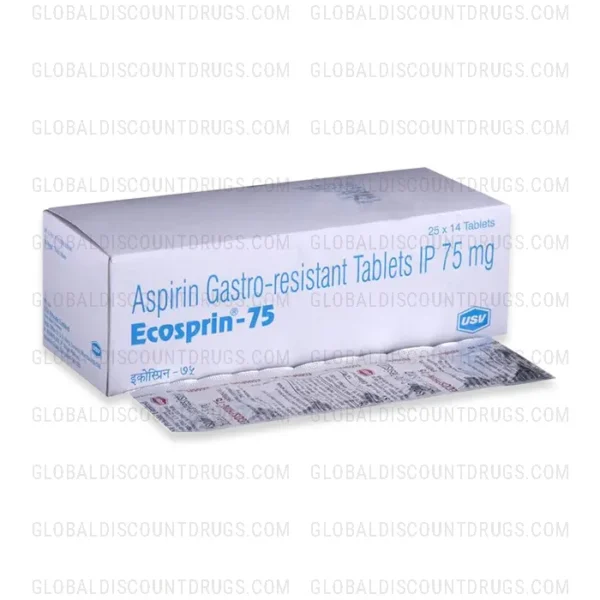

What is Aspirin?
Aspirin is a well-known medication belonging to the nonsteroidal anti-inflammatory drug (NSAID) class. It is widely used to relieve pain, reduce fever, and decrease inflammation. In lower doses, It is also used to prevent heart attacks, strokes, and blood clots by reducing platelet aggregation in the blood. This versatile medicine comes in multiple forms, including Aspirin tablets, capsules, and chewable pills, making it suitable for adults with various health needs.
Aspirin Used For
Aspirin is commonly prescribed and used for the following purposes:
-
Relief from mild to moderate pain such as headaches, toothaches, and menstrual cramps
-
Management of arthritis and joint inflammation
-
Reduction of fever and discomfort caused by colds or infections
-
Prevention of heart attacks and ischemic strokes in individuals with cardiovascular risks
-
Maintenance therapy after certain cardiac procedures or surgeries
Chemical Composition
The active ingredient in Aspirin is acetylsalicylic acid, a compound derived from salicylic acid. It works by blocking specific enzymes (COX-1 and COX-2) involved in the production of prostaglandins — chemicals responsible for pain, inflammation, and fever.
Aspirin Mechanism
Aspirin works through irreversible inhibition of cyclooxygenase (COX) enzymes, reducing the synthesis of prostaglandins and thromboxanes. This dual mechanism not only provides pain and fever relief but also prevents platelets from clumping together, lowering the risk of clot formation that could lead to a heart attack or stroke.
How It Helps Manage Pain and Prevent Heart Issues
Aspirin helps reduce inflammation and discomfort by targeting the root cause — prostaglandin production. For cardiac patients, low-dose Aspirin tablets act as an antiplatelet therapy, ensuring smoother blood flow and preventing clot-related complications. This makes it an essential preventive medicine in cardiovascular care.
What Are Other Benefits
Beyond its traditional use as a pain reliever, Aspirin offers additional health advantages:
-
Reduces the risk of recurrent stroke or heart attack
-
May help prevent certain types of colorectal cancer when used under medical supervision
-
Provides long-term cardiovascular protection in patients with a history of heart disease
Dosages
Available Strengths or Dosage
Aspirin is available in various strengths, typically ranging from Aspirin 75mg, Aspirin 150mg tablets. The dosage depends on the treatment purpose — low-dose is often used for cardiovascular prevention, while higher doses are used for pain and inflammation relief.
How and When to Take It
-
For pain and fever: Take the recommended dose every 4 to 6 hours as directed by your doctor.
-
For heart health: Low-dose Aspirin (75–100 mg daily) is often prescribed once a day.
Always swallow the tablet whole with water after meals to minimize stomach irritation.
Overdose Caution
Taking too much Aspirin can cause serious side effects such as stomach bleeding, dizziness, or ringing in the ears. In case of overdose, seek immediate medical help or contact poison control.
Who Can Use/Take Aspirin
Aspirin is typically suitable for adults over 18 years. It is often recommended for those at risk of heart disease or stroke, under medical guidance.
-
Not suitable for: Children under 16 (unless prescribed for specific conditions like Kawasaki disease), pregnant women in the third trimester, or individuals with stomach ulcers or bleeding disorders.
-
Always consult your healthcare provider before starting Aspirin, especially if you are taking other blood thinners or have chronic health conditions.
Side Effects & Precautions
What Are the Side Effects
Common side effects
-
Stomach upset or pain
-
Heartburn or nausea
-
Increased risk of bleeding
-
Dizziness or ringing in the ears (tinnitus)
Severe allergic reactions or black/tarry stools may indicate gastrointestinal bleeding — seek medical attention immediately.
What Are the Precautions to Avoid Side Effects
-
Take Aspirin with food or milk to reduce stomach irritation
-
Avoid alcohol and smoking while on long-term therapy
-
Inform your doctor about any other medicines or supplements you are using
-
Do not take it before surgery unless approved by your doctor
Always consult your doctor before starting treatment. If prescribed, you can order Aspirin tablets online safely from trusted pharmacy sources and ensure timely refills to maintain your health and wellness.



![Buy Rpigat 20mg Tablets 10’s (Rivaroxaban 20mg)[1] online](https://www.globaldiscountdrugs.com/wp-content/uploads/2024/03/Rpigat-20mg-Tablets-10s-Rivaroxaban-20mg1-400x400.webp)


