
No products in the cart.
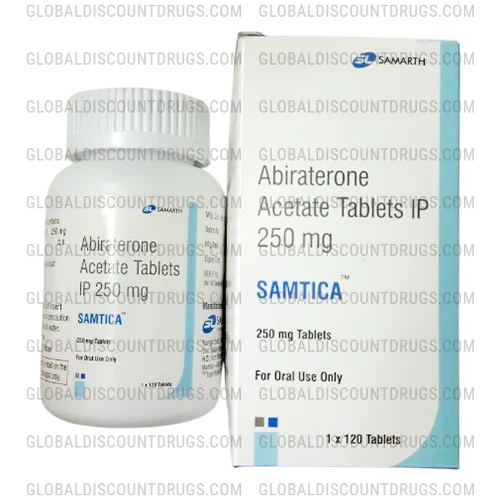
Abiraterone Acetate
In StockAbiraterone Acetate is a prescription medicine used to help treat certain forms of prostate cancer, including metastatic or advanced prostate cancer. It works by blocking an enzyme involved in androgen production, which lowers male hormone levels that can promote cancer growth. This action helps slow disease progression and supports treatment outcomes. Use only as directed on the product label or by a healthcare professional.
$4.68 per pill
What is Abiraterone Acetate?
Abiraterone acetate is a prescription medication used to treat certain forms of prostate cancer. It belongs to a class of medicines known as androgen biosynthesis inhibitors, which reduce the production of male hormones that can promote the growth of prostate cancer cells.
Prostate cancer cells often depend on androgens (male hormones such as testosterone) to grow and multiply. Abiraterone acetate works by lowering the levels of these hormones in the body.
Common medical uses include:
Treatment of metastatic castration-resistant prostate cancer (mCRPC)
Treatment of metastatic high-risk castration-sensitive prostate cancer (mCSPC)
This medication is often prescribed together with corticosteroids such as prednisone to help manage hormone-related side effects.
Abiraterone acetate helps slow cancer progression and control symptoms, but it does not cure prostate cancer.
Available formulations and strengths
Abiraterone acetate is typically available as:
Oral tablets
Tablet strengths may vary depending on manufacturer and country, commonly including:
250 mg tablets
500 mg tablets
Formulations may differ based on regulatory approvals and pharmaceutical manufacturers.
What is the Recommended Dosage of Abiraterone Acetate?
The appropriate dosage must be determined by a licensed healthcare professional, usually an oncologist or cancer specialist.
Dosage may vary depending on:
The type and stage of prostate cancer
Overall health status
Liver function
Other cancer treatments being used
Response to therapy
Dosage forms
Abiraterone acetate is administered as:
Oral tablets taken by mouth
Patients are usually instructed to take the medication on an empty stomach, as food may significantly increase absorption.
Abiraterone acetate is often prescribed together with a corticosteroid to reduce hormone-related side effects.
Patients should strictly follow the dosing instructions provided by their oncologist and should not change the dose without medical guidance.
How Abiraterone Acetate Works
Abiraterone acetate works by blocking an enzyme called CYP17 (17α-hydroxylase/C17,20-lyase), which is involved in the production of androgens.
Androgens are produced in several parts of the body, including:
The testes
The adrenal glands
Prostate tumor tissue
By inhibiting CYP17, abiraterone acetate reduces the production of these hormones throughout the body.
Lower androgen levels help:
Slow the growth of prostate cancer cells
Reduce tumor progression
Improve disease control in certain patients
Although this therapy can help manage prostate cancer, it does not eliminate the disease completely.
Is a Prescription Required to Buy Abiraterone Acetate Online?
Yes. Abiraterone acetate is a prescription-only medication.
It should only be used under the supervision of a licensed oncologist or cancer specialist.
Before prescribing this medication, healthcare professionals evaluate:
Cancer diagnosis and staging
Previous treatments
Liver function tests
Overall health status
Patients purchasing medications online should:
Use licensed and regulated pharmacies
Avoid products sold without medical authorization
Be cautious of counterfeit oncology medications
Unregulated cancer medications may be ineffective or unsafe.
Side Effects of Abiraterone Acetate
Like many cancer medications, abiraterone acetate may cause side effects. These may vary depending on the patient and treatment duration.
Common Side Effects
Common side effects may include:
Fatigue
Joint pain
High blood pressure
Fluid retention or swelling
Low potassium levels
Hot flashes
Digestive discomfort
These effects may be monitored and managed by the healthcare team during treatment.
Serious Side Effects
Rare but serious side effects may include:
Severe liver problems
Significant electrolyte imbalance
Heart rhythm disturbances
Severe high blood pressure
Adrenal insufficiency
Allergic reactions
Patients should seek immediate medical attention if they experience yellowing of the skin or eyes, severe abdominal pain, irregular heartbeat, or severe weakness.
Drug Interactions
Abiraterone acetate may interact with medications that affect hormone metabolism, liver enzymes, or cardiovascular function.
Prescription medications
Possible interactions include:
Certain chemotherapy drugs
Medications affecting liver enzymes
Drugs used to treat heart rhythm disorders
Certain antifungal medications
Some antibiotics
Over-the-counter medications
Some OTC medications may influence liver metabolism or blood pressure.
Examples may include:
Certain pain relievers
Cold and flu medications containing stimulants
Supplements and herbal products
Some herbal products may affect liver enzyme activity, including:
St. John’s wort
Herbal metabolic supplements
Patients should provide a complete list of medications, supplements, and herbal products to their oncology team.
Safety & Important Considerations
Several safety precautions apply when using abiraterone acetate.
Liver monitoring
Abiraterone acetate can affect liver function, so regular liver tests are usually required during treatment.
Blood pressure and electrolyte monitoring
The medication may cause:
High blood pressure
Low potassium levels
Healthcare professionals may monitor these regularly.
Heart health
Patients with cardiovascular disease should be carefully monitored because hormone changes may affect heart function.
Pregnancy exposure
Although this medication is used in men, it may harm an unborn baby if exposure occurs. Pregnant individuals should avoid handling crushed or broken tablets.
Monitoring
During treatment, healthcare professionals may perform:
Blood tests
Liver function tests
Electrolyte monitoring
Blood pressure checks
Cancer progression assessments
Regular follow-up is essential for safe treatment.
Who This Medication Is For
Abiraterone acetate is typically prescribed for adult men diagnosed with advanced prostate cancer.
It may be recommended for patients who:
Have metastatic prostate cancer
Require treatment that reduces androgen production
Are undergoing hormonal therapy for prostate cancer
Treatment decisions are made by an oncology specialist based on clinical evaluation and cancer staging.
Who Should Not Take Abiraterone Acetate
Abiraterone acetate may not be appropriate for certain individuals.
Contraindications and precautions may include:
Known allergy to abiraterone acetate
Severe liver disease
Certain cardiovascular conditions
Uncontrolled high blood pressure
Patients with complex medical histories should discuss potential risks with their healthcare professional before starting treatment.
What to Do If You Miss a Dose
If a dose of abiraterone acetate is missed:
Skip the missed dose and take the next scheduled dose at the usual time.
Do not take two doses at the same time to make up for a missed dose.
If multiple doses are missed, patients should contact their oncologist or healthcare provider for guidance.
Alternatives to Abiraterone Acetate
Several other treatments may be used to manage advanced prostate cancer.
Examples include:
Enzalutamide
Apalutamide
Docetaxel chemotherapy
Hormonal therapy
Radiopharmaceutical treatments
The most appropriate treatment depends on the stage of cancer, previous therapies, and overall patient health. Treatment decisions should be made in consultation with an oncologist.
Storage Instructions
Abiraterone acetate should be stored following standard medication safety guidelines.
Storage recommendations include:
Store at room temperature
Keep away from excess heat and moisture
Protect from direct light
Keep tablets in their original packaging
For safety:
Keep medication out of reach of children and pets
Do not use after the expiration date
Dispose of unused medication according to pharmacy or local disposal guidance
Disclaimer
This page is for educational purposes only.
The information provided here is not a substitute for professional medical advice, diagnosis, or treatment.
Patients must consult a licensed healthcare professional such as an oncologist or cancer specialist before starting, changing, or stopping treatment with abiraterone acetate.
All treatment decisions should be based on a complete clinical evaluation conducted by a qualified medical specialist.


$4.68 – $5.72 per pill


