
No products in the cart.
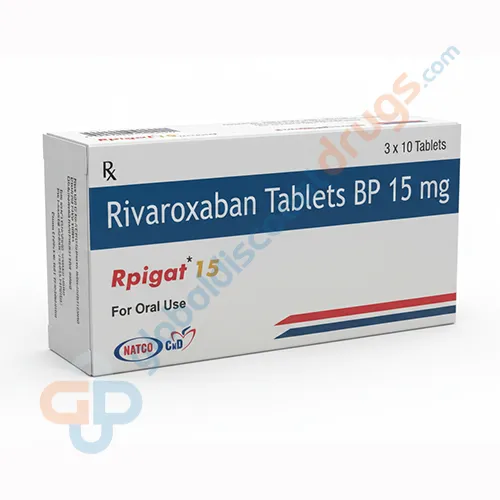
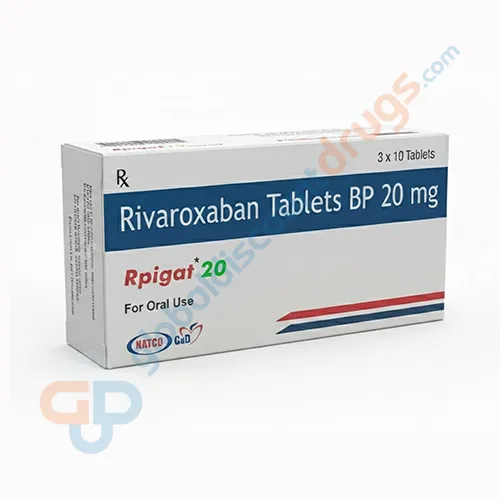
Rivaroxaban
In StockRivaroxaban is a direct oral anticoagulant (DOAC) that selectively and reversibly inhibits Factor Xa, a key enzyme in the final common pathway of the coagulation cascade. It is widely used to prevent stroke in non-valvular atrial fibrillation (AFib) and to treat/prevent deep vein thrombosis (DVT) and pulmonary embolism (PE). This API offers a convenient, fixed-dose alternative to warfarin with predictable pharmacokinetics. Rivaroxaban is a standard treatment in modern antithrombotic therapy.
$2.86 per pill
Rivaroxaban | Uses, Work, Dosages, Side Effects, Medicine
Rivaroxaban is a widely prescribed anticoagulant that helps prevent dangerous blood clots in people at higher risk. It is often recommended for conditions like atrial fibrillation, deep vein thrombosis (DVT), and pulmonary embolism (PE). This medicine works by improving blood flow and lowering the chances of stroke or clot-related complications. If you want clear, simple, and reliable information about how it works, its benefits, and safe usage, this guide will help.
What is Rivaroxaban?
Rivaroxaban is an oral blood thinner used to reduce the risk of harmful clots forming inside the veins or heart. Doctors often prescribe it after surgeries, during long-term heart conditions, and for people who have had clot-related issues before. As a direct factor Xa inhibitor, it helps maintain smooth circulation and prevents blockages that may lead to stroke or severe complications.
Rivaroxaban Used For
Rivaroxaban is commonly used for:
-
Preventing stroke in people with non-valvular atrial fibrillation
-
Treating and preventing recurrence of DVT and PE
-
Preventing clot formation after knee or hip replacement surgery
-
Reducing clot risk in people with coronary artery disease or peripheral artery disease
It is available as an oral tablet, making it convenient for long-term therapy.
Chemical Composition
The active ingredient in this medicine is Rivaroxaban, classified under direct oral anticoagulants (DOACs). Tablet formulations may also contain inactive components like lactose monohydrate, hypromellose, croscarmellose sodium, and magnesium stearate to maintain stability and absorption.
Rivaroxaban Mechanism
Rivaroxaban blocks Factor Xa, a key protein in the blood-clotting process. By slowing down this pathway, it prevents the formation of fibrin clots. This controlled blood-thinning effect helps keep the vessels open and reduces the risk of clot-triggered events like stroke or pulmonary embolism.
How Rivaroxaban Helps in Recovery
When clots form in the legs or lungs, they can cause swelling, pain, and life-threatening complications. Rivaroxaban stops new clots from forming while helping the body naturally break down existing ones. For people with atrial fibrillation, it prevents irregular heartbeat from creating clots that can travel to the brain. This regular protection supports long-term heart and vascular health.
What Are the Other Benefits?
Rivaroxaban offers several patient-friendly advantages:
-
No frequent blood test monitoring compared to older anticoagulants
-
Predictable dose and steady absorption
-
Lower risk of certain bleeding complications
-
Convenient once-daily or twice-daily dosing options
-
Useful for long-term treatment and post-surgery protection
Dosages
Rivaroxaban comes in multiple tablet strengths to match different conditions. Always follow your doctor’s exact instructions and never change the dose on your own.
Available Strengths or Dosage
Common strengths include:
-
Rivaroxaban 2.5 mg tablets
-
Rivaroxaban 10 mg tablets
-
Rivaroxaban 15 mg tablets
-
Rivaroxaban 20 mg tablets
Your dose depends on the medical condition, kidney function, and overall risk level.
Typical uses:
-
10 mg once daily for post-surgery clot prevention
-
15 mg and 20 mg for DVT/PE and atrial fibrillation
-
2.5 mg twice daily for cardiovascular risk reduction
How and When to Take It
-
Take the tablet with water, preferably at the same time every day.
-
15 mg and 20 mg tablets must be taken with food for proper absorption.
-
Lower doses may be taken with or without food, as advised.
-
Do not crush or break the tablet unless your doctor allows it.
-
If you miss a dose, take it as soon as possible, but never double the dose.
Overdose Caution
Taking more than prescribed increases the risk of heavy bleeding, dizziness, weakness, or unusual bruising. In case of overdose:
-
Seek emergency medical attention
-
Do not take additional doses
-
Keep the packaging to show healthcare providers
Who Can Use Rivaroxaban?
Rivaroxaban is generally suitable for adults who need clot prevention or treatment. It may be prescribed for men and women across different age groups, especially those with:
-
Atrial fibrillation
-
A history of DVT or PE
-
Recent orthopedic surgery
-
Heart or vascular conditions requiring long-term anticoagulation
However, it may not be suitable for:
-
Children (unless specifically advised)
-
Pregnant or breastfeeding women
-
People with severe kidney or liver disease
-
Individuals with active bleeding disorders
Always discuss your health history with your doctor before starting therapy.
Side Effects & Precautions
What Are the Side Effects?
Common side effects may include:
-
Mild bleeding from gums or nose
-
Headache or dizziness
-
Stomach pain or indigestion
-
Increased bruising
-
Fatigue
Serious but rare effects:
-
Heavy bleeding
-
Bloody or tar-like stools
-
Vomiting blood
-
Severe weakness
Seek medical help if any serious symptoms appear.
What Are the Precautions to Avoid Side Effects?
To use Rivaroxaban safely:
-
Do not combine it with other blood thinners unless approved
-
Avoid excessive alcohol consumption
-
Inform your doctor about all medicines, supplements, or herbal products
-
Check kidney and liver function regularly
-
Stop the medicine only under medical supervision
-
Be cautious with activities that may cause injury or cuts
Always consult your doctor before starting the dose. If prescribed, you can order Rivaroxaban tablets online safely from trusted pharmacy sources and ensure timely refills to maintain your treatment progress.

$1.31 per pill

$0.61 per pill


$0.10 per pill

$7.91 – $9.67 per pill


